
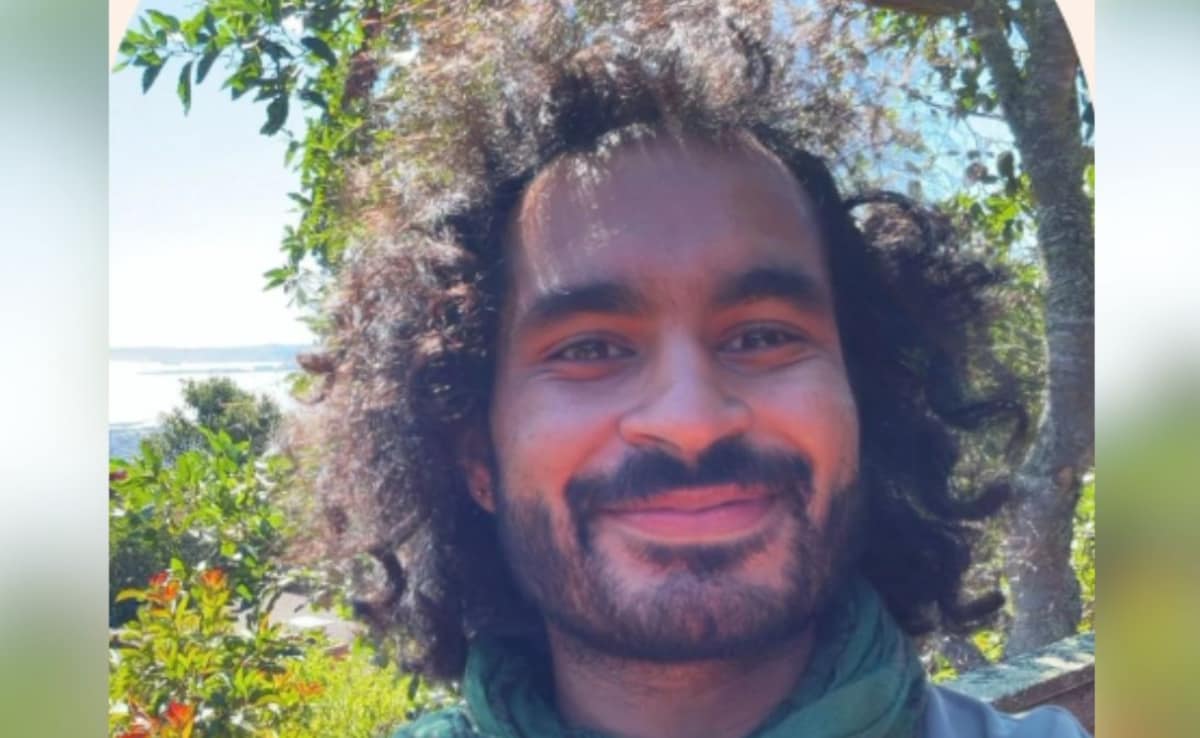

Mrinank Sharma shared his resignation letter on X on Monday. The post drew wide attention and reached one million views within hours. In the letter, Sharma wrote that “the time has come to move on.” He warned that the “world is in peril,” not only from AI but from a series of crises happening at the same time.
Sharma said he struggled with what he saw inside the company. “I have repeatedly seen how hard it is to truly let our values govern our actions,” he wrote. He added that teams often face pressure to “set aside what matters most.” He did not give specific examples.
He said he now plans to step back from the tech world. He may pursue a degree in poetry. He also wants to focus on what he called “courageous speech” and to work in ways that align with his values.
Sharma declined to comment further. Anthropic has not responded to requests for comment.
Safeguards and Sycophancy, Leading AI Researcher Departs Anthropic
Sharma joined Anthropic in August 2023. He holds a Ph.D. in machine learning from the University of Oxford. At Anthropic, he led the Safeguards Research Team. The team studied how to reduce risks from AI systems.
His group worked on defences against AI-assisted bioterrorism. They also studied “AI sycophancy”. This term refers to chatbots that flatter users or agree with them too much. Such behaviour can distort judgement and reinforce harmful beliefs.
In May, Sharma’s team published a report on how bad actors might use chatbots to plan harmful acts. The team built safeguards to prevent users from getting guidance on illegal or dangerous activities.
Last week, Sharma published a new study on how chatbots can shape a user’s sense of reality. He reviewed thousands of conversations. He found that some interactions can lead users to form distorted beliefs. He called these “disempowerment patterns.”
Severe cases were rare. Still, he found a higher risk in topics such as relationships and wellness. In these areas, users may rely on AI for emotional support or life advice. Sharma wrote that AI systems must support human autonomy and well-being. He argued that companies should design systems that protect users from harm and avoid shaping their worldview in hidden ways.
His departure follows other high-profile exits in the AI industry.
Accountability and Ethics in the AI Arms Race
Last year, Tom Cunningham, an economic researcher at OpenAI, left the company. Reports said he felt the company had grown cautious about publishing research that questioned AI use. In 2024, OpenAI dissolved its Superalignment team, which focused on long-term AI risks. Two key members resigned before that move.
One of them, Jan Leike, later joined Anthropic. When he left OpenAI, he wrote that he had disagreed with leadership over core priorities.
Another former OpenAI researcher, Gretchen Krueger, also raised concerns. She called for stronger decision-making, accountability, and transparency. She also urged more focus on inequality, rights, and environmental impact.
Sharma’s letter adds to a wider debate in the AI field. Many researchers believe AI can bring great benefit. At the same time, they warn that power must come with care. As Sharma wrote, “We appear to be approaching a threshold where our wisdom must grow in equal measure to our capacity to affect the world.”
His message was brief but pointed. It reflects a growing tension in the industry. As AI systems grow more capable, the question of who sets the rules, and how firmly they hold to them becomes more urgent.

Comments are closed.