
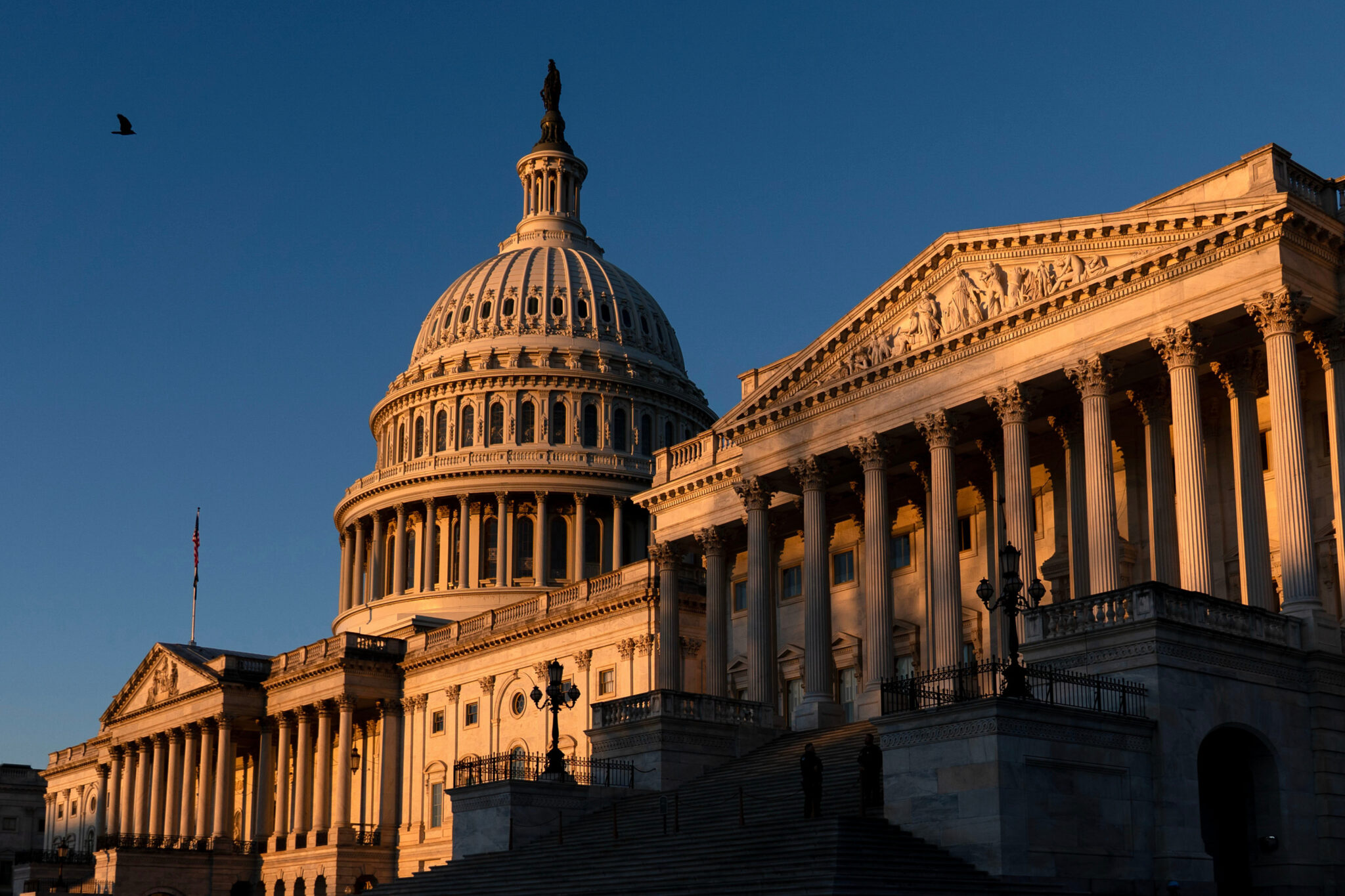

Anti-Muslim Rhetoric Rises among Republicans with Little Pushback from GOP Leadership/ TezzBuzz/ WASHINGTON/ J. Mansour/ Morning Edition/ Anti-Muslim rhetoric from some Republican lawmakers has intensified amid tensions tied to the Iran war. Several controversial statements from GOP members triggered criticism from Democrats and advocacy groups. Republican leadership has largely avoided direct condemnation, fueling concerns among Muslim Americans.

Anti-Muslim Rhetoric Among Republicans Quick Looks
- Controversial comments: Some GOP lawmakers made statements targeting Muslims.
- Political backlash: Democrats condemned the remarks as Islamophobic.
- Leadership response: Republican leaders offered limited public pushback.
- Online amplification: Social media posts helped spread the rhetoric widely.
- Security incidents: Attacks in Michigan and Virginia intensified political reactions.
- Historical echoes: Muslim advocates say the climate resembles the post-9/11 era.


Anti-Muslim rhetoric from several Republican lawmakers has intensified in Washington, drawing criticism from Democrats and Muslim advocacy organizations while receiving limited public rebuke from GOP leadership.
The comments come during a tense geopolitical moment, as the United States and its allies respond to the ongoing Iran war while also confronting recent violent incidents inside the country. Against that backdrop, statements by some Republican officials targeting Muslims have fueled debate over political discourse and religious tolerance in American politics.
Political Statements Spark Controversy
One of the most widely criticized remarks came from Tennessee Representative Andy Ogles, who posted on social media that Muslims do not belong in American society.
After facing backlash, Ogles defended his statement, arguing that immigration paperwork alone does not determine national identity. He also claimed that Muslims cannot assimilate into American culture.
The remarks quickly spread online and prompted condemnation from Democratic lawmakers and civil rights groups.
Alabama Senator Tommy Tuberville also drew criticism after posting a message referencing an image of New York City Mayor Zohran Mamdani participating in an iftar dinner at City Hall. Tuberville paired the image with a reference to the Sept. 11 attacks and wrote that “the enemy is inside our gates.”
Later, Tuberville reiterated his position online, stating that he was referring to “Islamists” as a threat.
Democrats and Advocates Respond
Democratic leaders condemned the remarks as discriminatory and harmful.
Senate Majority Leader Chuck Schumer called Tuberville’s post “mindless hate” and urged lawmakers to reject rhetoric that targets religious groups.
“Islamophobic hate like this is fundamentally un-American,” Schumer said. “We must confront and overcome it whenever it appears.”
Muslim advocacy organizations echoed those concerns, warning that political statements from elected officials can influence public attitudes and potentially contribute to discrimination or violence.
Iman Awad, national policy and advocacy director for Emgage Action, said rhetoric from public officials carries significant weight.
“When members of Congress speak, it shapes public perception,” Awad said. “It can legitimize prejudice.”
Limited Response From GOP Leadership
While several Republican lawmakers defended their statements, party leaders offered relatively limited criticism of the remarks.
House Speaker Mike Johnson acknowledged that Ogles used language he personally would not have chosen but suggested the broader issue raised by the comments was serious.
Johnson pointed to concerns among some voters about the potential influence of Islamic law in the United States, an issue frequently raised in conservative political circles.
References to “Sharia law” are often cited by critics who argue that some Muslims seek to impose religious legal frameworks on American communities. Muslim leaders have consistently rejected that claim, noting that Sharia generally refers to personal moral and spiritual guidance rather than political governance.
The controversy has also been fueled by debate over a planned Muslim-centered residential community near Dallas. Developers of the project say they have been unfairly targeted because of their faith and deny allegations that the community intends to impose religious rules.
Violent Incidents Intensify Debate
The political rhetoric escalated further after two violent incidents this week.
In Michigan, federal officials said a man drove his vehicle into a hallway at Temple Israel in West Bloomfield Township. Authorities identified the suspect as a naturalized U.S. citizen originally from Lebanon whose family members were reportedly killed in an Israeli airstrike.
In Virginia, a gunman opened fire inside a classroom at Old Dominion University before being stopped by ROTC students. Court records show the attacker had previously served time in prison for attempting to assist the Islamic State.
Some Republican lawmakers pointed to the incidents as evidence supporting stricter immigration policies.
Representative Tom Emmer of Minnesota said national security concerns should include the ability to revoke citizenship and deport individuals linked to terrorism.
Representative Riley Moore of West Virginia announced plans to introduce legislation allowing the denaturalization and deportation of naturalized citizens who commit acts of terrorism or assist terrorist organizations.
Echoes of Post-9/11 Tensions
Many Muslim Americans say the political climate resembles the early years following the Sept. 11, 2001, terrorist attacks, when discrimination and violence targeting Muslims rose sharply across the United States.
Middle East conflicts have historically fueled tensions domestically, affecting both Muslim and Jewish communities.
Mayor Zohran Mamdani, whose iftar dinner photo sparked some of the recent controversy, criticized the use of 9/11 imagery in political messaging.
He said the issue goes beyond the immediate comments and reflects broader challenges faced by Muslim Americans.
Mamdani described what he called the everyday pressures of confronting stereotypes and misunderstandings about Muslim identity in American society.
Historical Contrast Within the GOP
The current rhetoric also highlights differences in how Republican leaders have addressed anti-Muslim sentiment in the past.
After the Sept. 11 attacks, President George W. Bush publicly warned Americans against targeting Muslims.
During a visit to the Islamic Center of Washington, Bush emphasized that Muslim Americans were an integral part of the country.
“America counts millions of Muslims amongst our citizens,” Bush said at the time. “They make an incredibly valuable contribution to our country and must be treated with respect.”
Bush also condemned acts of harassment and violence against Muslim Americans, saying those responsible represented “the worst of humankind.”
Advocates say that message helped discourage widespread discrimination during a tense period in American history.
Today, critics argue that the relative silence from some political leaders risks allowing divisive rhetoric to spread unchecked.
More on US News

Comments are closed.