
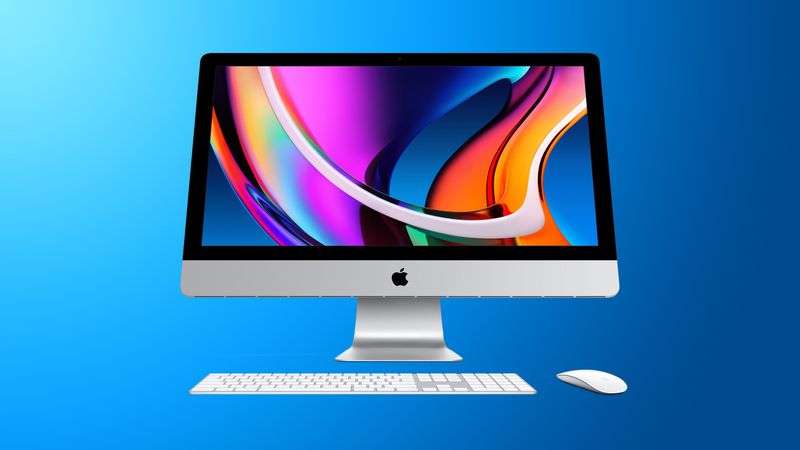

Apple is reportedly nearing the end of the sales cycle for four of its current products, indicating that significant refreshes or successors are imminent. According to industry insiders and retail trends, these devices are showing signs of running out of inventory and slipping out of Apple’s official store listings classic signals that new versions are on the way and the current models will soon be dropped from the lineup.
This kind of transition is typical for Apple, which regularly retires older products as new hardware is prepared for launch. In early 2026, the pace of Apple hardware updates appears particularly brisk, with rumors and supply shortages pointing toward imminent refreshes in multiple product lines.
1. iPhone 16e: A Budget Model Nearing Retirement
The iPhone 16e, introduced last year as a more budget-friendly iPhone option, now appears to be on the verge of being discontinued. According to reports from retail employees, stock of the iPhone 16e in Apple Stores and online inventories has “basically dried out,” suggesting that Apple is no longer replenishing units ahead of the release of its successor.
This impending discontinuation aligns with expectations that the iPhone 17e an updated version of the budget iPhone with a newer chip and feature upgrades could launch imminently. Leaks from supply chains and analyst reports indicate that Apple is ready to replace the iPhone 16e with a more capable 17e, making the older model redundant in the current lineup.
Beyond the stock shortages, there are no indications that Apple plans to keep the 16e at a reduced price after the 17e’s arrival. Instead, the transition suggests a clean cut from one generation to the next in Apple’s lower-priced iPhone tier.
2. M3 iPad Air: Preparing for a Successor
Another product showing signs of imminent discontinuation is the M3 iPad Air. Released last March, this model has been a mid-range favorite among iPad buyers, but current supply appears to be shrinking and retailers are displaying diminishing stock.
The reason for this scarcity is the anticipated arrival of the M4 iPad Air, which is tipped to launch in the coming weeks. Industry sources and inventory checks indicate that Apple is beginning to phase out the M3 iPad Air ahead of this update, a pattern that often signals the end of sales for the outgoing model.
The M4-equipped successor is expected to bring incremental performance improvements, and possibly other refinements, making the older model less competitive now that Apple is focused on its replacement.
3. Apple Studio Display: Refresh Imminent After Four Years
The Apple Studio Display, Apple’s premium external monitor, has been on the market for about four years. Current inventory levels and retail availability suggest the model is nearing the end of its lifecycle, with new shipments reportedly not expected until later in February or March, which is highly indicative of an incoming refresh.
Bloomberg sources point to the development of a next-generation Studio Display, meaning the current model could be discontinued once the new version launches. Apple typically removes older hardware from sale when updated versions are unveiled, streamlining its lineup and avoiding customer confusion between legacy and current products.
The anticipated refresh could bring improvements such as higher refresh rate support, enhanced cameras, or better integration with Apple’s ecosystem making the current Studio Display surplus to requirements.
4. MacBook Pro Models With M4 Pro and M4 Max Chips
Apple’s MacBook Pro models equipped with M4 Pro and M4 Max chips are also showing signs of discontinuation. Alongside newer Macs based on the M5 family of chips, the current M4 variants have begun to run low in supply at retail outlets,a common signal that Apple is preparing to replace them.
Reports suggest that Apple plans to launch MacBook Pro 14-inch and 16-inch models featuring the updated M5 Pro and M5 Max chips as early as early March 2026, possibly tied to the release of the next major macOS update. This move would render the older M4 models obsolete within Apple’s product stack.
Once the M5-equipped MacBook Pros appear, Apple will likely remove the M4 Pro and M4 Max models from its online Apple Store and real world retail shelves. Historically, Apple does not continue selling older chip variants once their successors arrive, choosing instead to simplify the choice for customers and focus support on current models.
When Apple discontinuing products, it signals several things to the market:
- New models are imminent: Stock drying up almost always means Apple has replacement products ready in the wings.
- Inventory resets: Apple controls its supply tightly, so discontinued items become harder to find and often sell out quickly.
- Secondary market activity rises: Older models that are discontinued often see increased sales on third-party marketplaces, sometimes with discounts, as retailers clear remaining stock.
For investors, product discontinuations can be a sign of Apple’s product cycle efficiency and confidence in upcoming hardware. They may also influence stock sentiment, particularly if discontinuations coincide with strong successor announcements or broader company milestones.
Apple’s potential discontinuation of the iPhone 16e, M3 iPad Air, Apple Studio Display, and M4 Pro/Max MacBook Pros marks a period of transition for the company’s hardware lineup. With successors poised to arrive soon, these products are disappearing from inventory and will likely be phased out entirely in the coming weeks.
For buyers considering upgrades or bargains on outgoing devices, now may be the time to act before stock runs out. For those waiting for the latest technologies, this moment hints at one of the busiest launch seasons in recent Apple history with multiple devices across iPhone, iPad, Mac, and accessories on deck for release.

Comments are closed.