
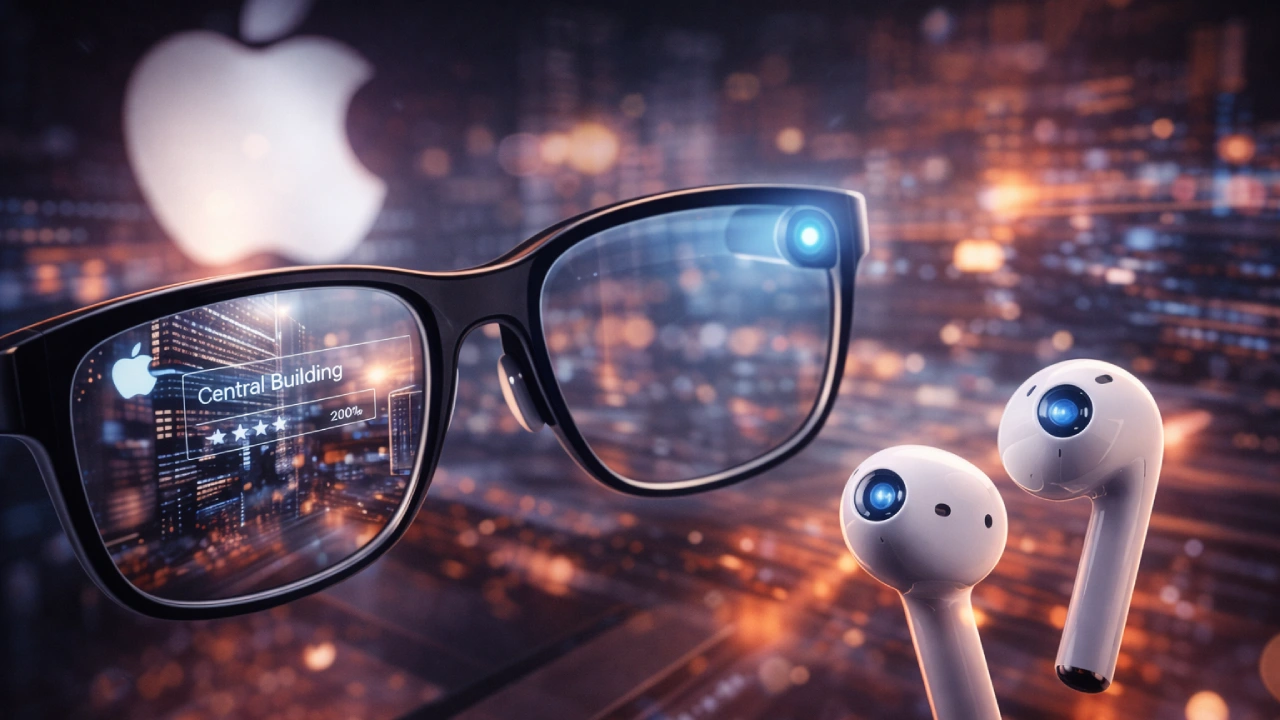

Currently, Apple has begun developing its own visual artificial intelligence (AI) technology, Apple Visual AIwhich will potentially be used in the future for products such as smart glasses, camera-equipped AirPods, and possibly in a small wearable artificial intelligence device. Reports have indicated that Apple has focused on creating an AI that recognizes what users actually see in the real world, versus only recognizing what they type or say to an electronic device.
By creating an AI that understands its users’ view of the world around them, it will be able to grow its Apple Intelligence brand to more than just iPhones and Macs, but also into an everyday wearable item.
Until further announcements or information on progress from the company happen, there haven’t been any formal statements by Apple confirming this yet. However, there have been several independent credible sources that have suggested that something is going on behind the scenes at Apple.
For the past year, Apple has been talking about Apple Intelligence. It introduced this system as its main artificial intelligence platform for iPhone, iPad, and Mac. The focus was on writing help, better Siri replies, notification summaries, and image tools. Now it looks like Apple wants to take the next step.
What Is Visual AI?
Visual AI is simple to understand. AI (artificial intelligence) systems can be utilized to “see” or interpret photographic images that have been captured by cameras. An AI camera, equipped with advanced artificial intelligence, can identify and describe any object placed before it. A camera with artificial intelligence can read text, identify locations, and provide information for any item in view.
Many businesses are seeking to create their own artificial intelligence systems, and Apple is now prepared to create its own version of an artificial intelligence system for cameras.
Smart Glasses Could Be Part of the Plan
One of the main products being discussed is smart glasses. These glasses may have small cameras built into them. If that happens, the AI could analyze what the user is seeing in real time.
For example, if you look at a restaurant, the glasses might show ratings or reviews. If you see a product in a store, it could show price details. If you are traveling and see foreign text, you could translate it. Nothing is confirmed yet. But reports say Apple is exploring this idea seriously.
AirPods With Cameras?
Another interesting detail from the reports is about AirPods with cameras. At first, this sounds strange. Why would earphones need cameras?
The idea is that small cameras could help Siri understand your surroundings better. Instead of only hearing your voice, the device could also “see” what is around you.
Imagine walking somewhere and asking, “What building is this?” The AI could answer by checking what the camera sees. It would make voice assistants more useful in daily life.
A Small AI Wearable Device
There are also talks about a small wearable device, something like an AI pin or pendant. This kind of device may not have a screen. It would mostly work through voice. But if it includes a camera, it could depend heavily on visual AI.
It would act like a small assistant you carry with you. Again, Apple has not confirmed anything. These details are based on reports.
Why Apple Is Doing This: Apple Visual AI
Typically, Apple prefers to develop its proprietary technologies rather than rely on third-party goods. Apple can use its in-house-created visual AIs to ensure that hardware and software integrate properly while having more control over the data collected on users from devices containing cameras that are on 24/7.
Privacy is going to be a primary concern among consumers regarding wearables. Apple typically promotes privacy within its marketing; therefore, it is likely that Apple would have features added to indicate that the camera is active when added to a wearable. It may also keep most processing on the device itself.
AI Competition Is Growing Fast
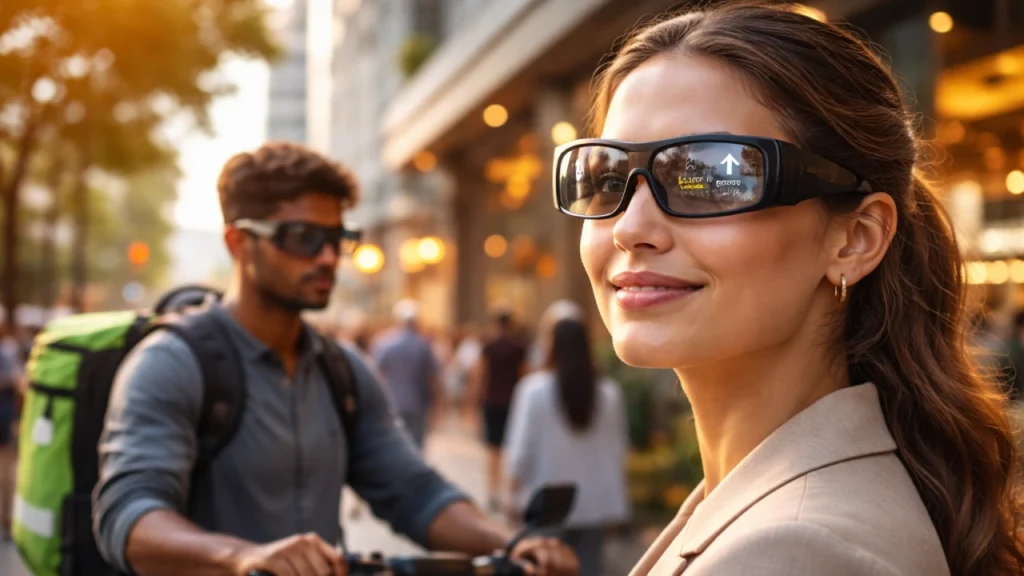
Apple is entering a space where many big companies are already active. Google is pushing AI strongly across Android. Microsoft is building AI into Windows. Meta is working on smart glasses with AI features.
Apple’s approach is usually slower but more controlled. The company does not rush products. Only after all items have been made available will they function properly for users. If Visual A.I. is integrated by Apple into the iPhone, Apple Watch, and AirPods, it will allow the user to have a cohesive experience with all three devices.
What Happens Next?
Right now, everything is still in development. There is no launch date. No official product reveal. But the direction is clear. Apple wants AI to move beyond screens. It wants devices that understand what users see, not just what they say.
If these reports turn out to be true, Apple’s future wearables may look very different from what we have today. For now, the company seems to be building quietly behind the scenes, preparing for its next big step in artificial intelligence.

Comments are closed.