
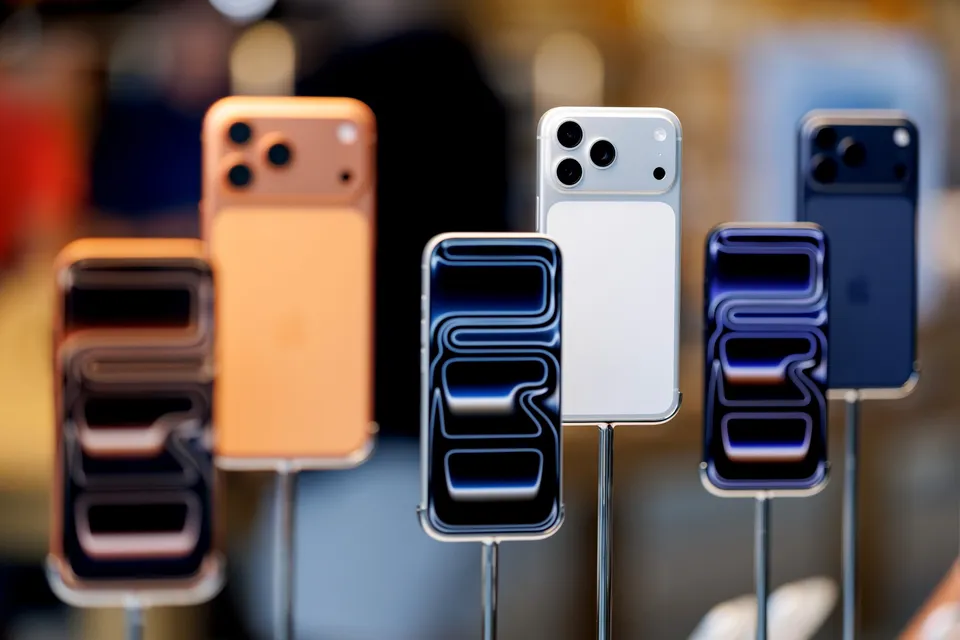

In the high-stakes theater of Silicon Valley, loyalty is often a matter of the right vesting schedule. As of late March 2026, Apple has found itself forced to break its own compensation norms to protect its most valuable asset: the minds behind the iPhone. In an unusual and “out-of-cycle” move, the tech giant has begun distributing massive stock bonuses to its iPhone Product Design team, a clear signal that the poaching war with OpenAI has reached a critical boiling point.
The bonuses, which were quietly rolled out to key hardware engineers this week, are structured as Restricted Stock Units (RSUs) valued between $200,000 and $400,000. However, there is a significant catch designed to ensure stability: the awards vest over a four-year period.
In the language of corporate retention, these are “golden handcuffs.” To realize the full value of the six-figure windfall, designers must remain at their desks in Cupertino until at least 2030. While Apple occasionally issues these types of retention packages, doing so outside of the standard annual review cycle is a rare admission of vulnerability. It underscores a leadership team that is growing increasingly anxious about the steady stream of elite talent walking out the door toward the rising “AI-native” hardware startups.
The OpenAI Insurgency: Led by Familiar Faces
The primary antagonist in this talent drama is none other than OpenAI. While the ChatGPT maker began as a software-first entity, its ambitions for 2026 and beyond are firmly rooted in physical hardware. This shift is being led by a roster of “Apple Royalty.”
OpenAI’s hardware division is currently steered by Tang TanApple’s former Vice President of Product Design. Having spent over two decades at Apple, Tan possesses an intimate knowledge of the company’s internal design philosophy and its secretive supply chain. Working alongside him is the legendary Jony IveApple’s former Chief Design Officer, whose firm LoveFrom is collaborating with Sam Altman to build a “post-iPhone” device.
This “dream team” has successfully lured away over 40 former Apple employees in recent months, including senior interface designers and audio engineers. For many in the iPhone Product Design team, the appeal of joining OpenAI isn’t just the prestige, it’s the promise of a leaner, less bureaucratic environment where they can redefine the very concept of a “phone.”
Why the iPhone Design Team?
To the casual observer, it might seem odd that an AI company is so hungry for hardware designers. However, in the era of Artificial General Intelligence (AGI), the “slick aluminum case” is becoming as important as the model itself.
The iPhone Product Design team, now led by Rich Dinh under hardware chief John Ternusoccupies the critical intersection between industrial beauty and mechanical functionality. They are the people who figure out how to pack massive batteries, complex camera sensors, and powerful chips into a chassis that remains elegant and durable. OpenAI needs this specific expertise to build their rumored “AI Companion” devices wearables, pins, and smart glasses that require the same mastery of miniaturization and thermal management that defined the iPhone’s success.
The $1 Million Disparity
Despite Apple’s $400,000 gesture, some analysts argue the company is bringing a knife to a gunfight. Reports suggest that OpenAI and other well-funded startups like Hark (founded by Figure AI’s Brett Adcock) are dangling annual stock packages worth as much as $1 million per year to top-tier Apple engineers.
When compared to Apple’s retention bonus which amounts to roughly $50,000 to $100,000 per year on top of base pay the financial incentive to jump ship remains immense. For a veteran designer, the choice is between the safety of a $3 trillion legacy brand and the “lottery ticket” potential of an OpenAI IPO that could redefine global wealth.
Apple’s Defensive Roadmap
Apple isn’t just throwing money at the problem; it is also trying to build its way out of the crisis. The retention bonuses are a tactical move to keep the workforce intact as Apple prepares its own counter-offensive in AI-driven hardware.
The team receiving these bonuses is currently deep into the development of several high-stakes projects:
Camera-equipped AirPods: Audio wearables that use computer vision to describe the world to the user.
Siri Pendants: A wearable AI assistant designed to compete directly with OpenAI’s hardware vision.
Apple Smart Glasses: A lightweight alternative to the Vision Pro aimed at mass-market adoption by 2027.
The rollout of these rare bonuses marks the end of an era where Apple could rely solely on its brand prestige to retain talent. In 2026, the battle for the future of personal computing is being fought in the compensation committees and HR departments as much as it is in the labs. Whether these “golden handcuffs” will be enough to hold back the tide of departures remains to be seen, but one thing is certain: the cost of being the “best in design” just went up significantly.

Comments are closed.