
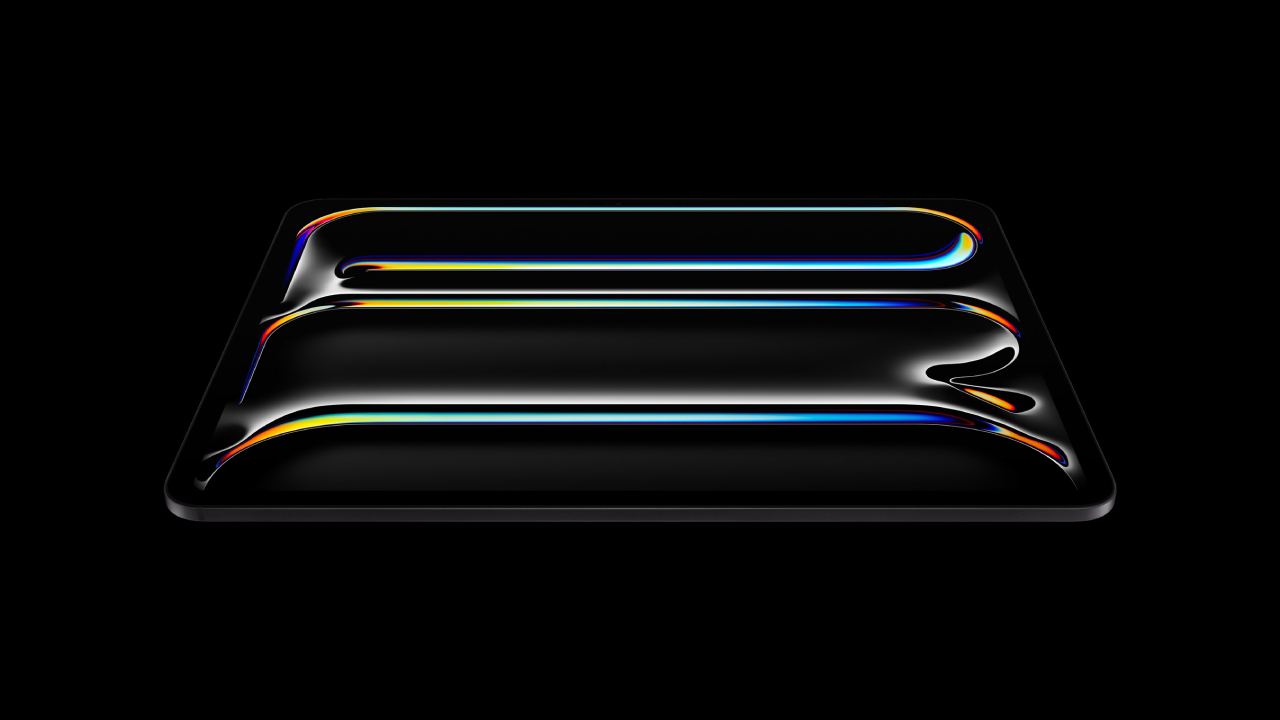

Highlights
- Apple’s discontinuation strategy streamlines its watch, iPhone, and iPad lines, reducing overlap while reinforcing premium positioning.
- Apple product discontinuations strategy is used to remove ageing devices and accessories, simplifying product tiers and strengthening ecosystem control.
- Apple’s discontinuation strategy is used through software support withdrawals, quietly ending older hardware usability to drive innovation.
Throughout the past twelve months, Apple has consistently applied the strategic approach of quietly discontinuing products as a part of its annual refresh cycle, which has been in place for a long time. These exits, unlike dramatic cancellations, are very similar to the calculated and gradual process whereby Apple maintains its portfolio while even more strongly positioning it as a premium one. Products that were affected included watches, iPhones, iPads, and several peripheral technologies, each showing a different strategic rationale rather than a single, all-encompassing failure.
Apple Watch: Tightening the Wearables Portfolio
Apple has, among other things, halted the sale of some of the older versions in the Apple Watch range as new models have arrived, particularly in the case of the Apple Watch Series 8 and the previous SE having been phased out by the start of replacing them with the new ones. Although such a movement is a normal process, the speed of the switch has raised eyebrows. Apple has gradually positioned its watch lineup more tightly by clearer tiers: the SE as an entry-level model, the flagship Series device, and the Ultra as a rugged, high-end performer.
Increased accuracy in this aspect suggests that Apple is not going to be able to sell more watches by keeping a lot of models that are very similar in terms of specs and features. For Apple, it is a win-win situation where its manufacturing and marketing costs go down, and its profits go up with fewer SKUs. The critics say the company is limiting consumer choice, while the supporters claim that it is a rational response to the maturing smartwatch market, where the difference between generations has become more of a subtle change than a revolutionary one.
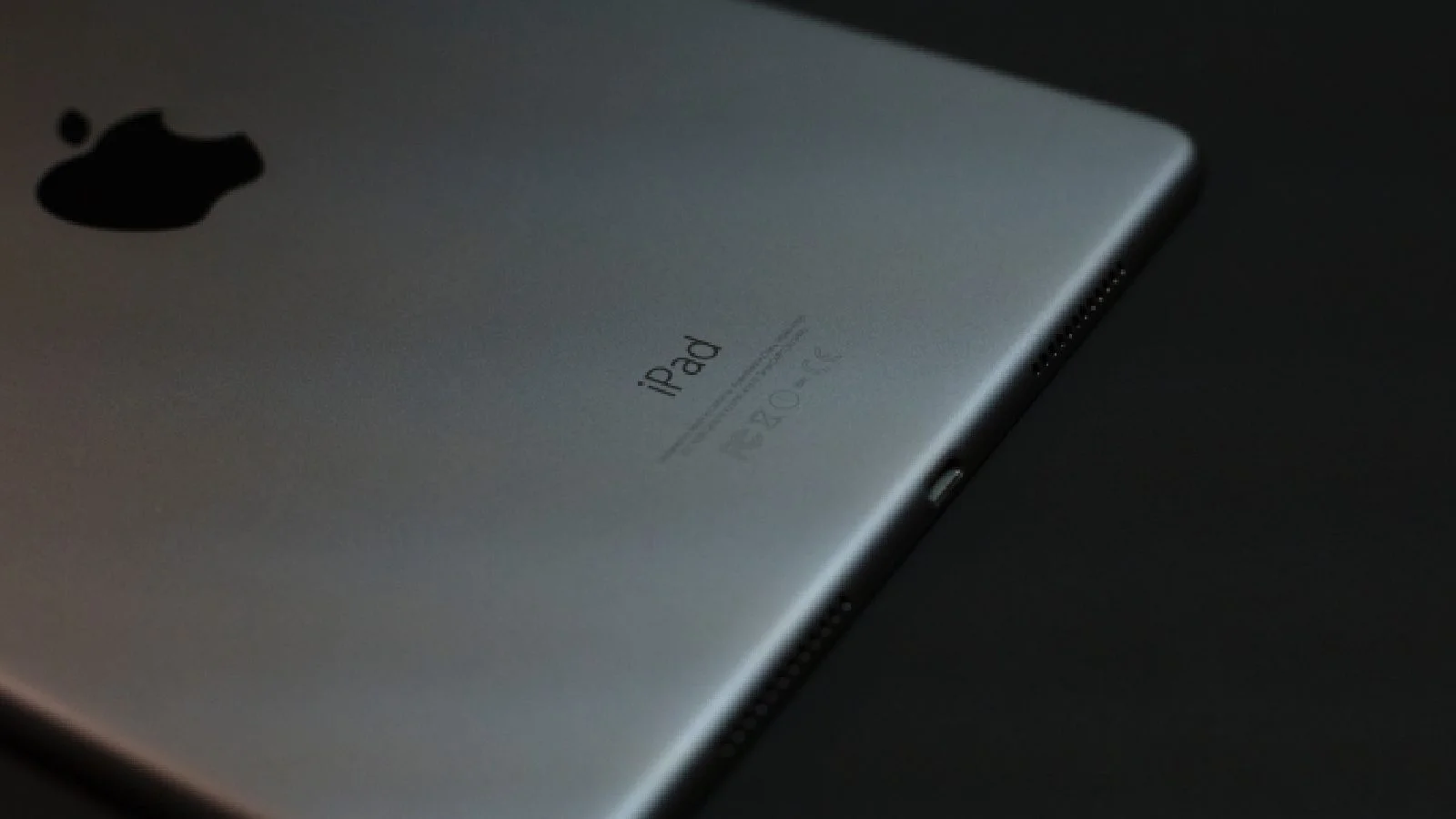
iPhones: The End of Older Generations
With respect to the iPhone, the major discontinuities by Apple included the older iPhones, namely iPhone 12 and iPhone 13, which happened to come right after the launch of new models. The removals were not so much about obsolescence as more of a wise positioning. Apple has increasingly shortened the retail lifespan of non-flagship models, particularly those that sit awkwardly between “budget” and “premium.”
The absence of a smaller “mini” iPhone option in Apple’s current lineup further illustrates this shift. While compact phones had a loyal following, sales volumes reportedly failed to justify their continuation. Apple’s decision reflects a broader industry trend toward larger devices and higher average selling prices, even at the cost of niche user segments.
iPads: Simplification Over Variety
The iPad series from Apple quietly got thinner, too. The ageing base iPad models got axed, and in came the revamped versions with their distinction from the standard iPad and the iPad Air, reducing the overlap. Criticism has been a companion to Apple regarding its confusing tablet lineup, where the price discrepancies vis-à-vis performance gains were sometimes not clear.
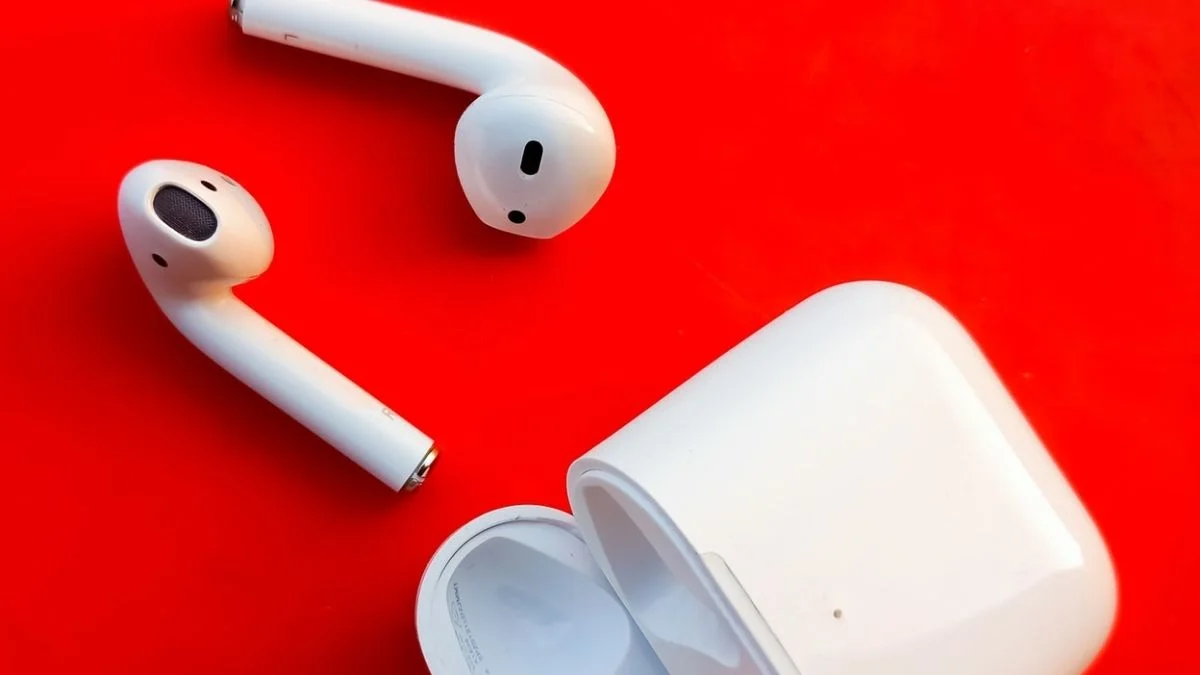
By discontinuing older iPads, Apple signalled an effort to restore clarity. The move aligns with a view that tablets, unlike phones, are often long-term devices. Maintaining too many ageing models risks fragmenting software optimisation and user experience, something Apple has historically sought to avoid.
Accessories and Other Technologies
Beyond core devices, Apple discontinued several accessory lines, most notably FineWoven cases and bands, which failed to resonate with consumers despite their environmental messaging. In parallel, Lightning-based accessories continued to disappear as Apple completed its transition to USB-C across newer devices.
These discontinuities of accessories are a clear indication of Apple’s ecosystem logic. Technologies that impede the implementation of regulations, are not in demand by the users, or the long-term platform plans are removed, even if they used to be the very core of Apple’s identity.

Software Support as Silent Discontinuation
No less important, though less noticed, was the end of software support for some older devices. The new operating systems that exclude the old hardware mean that those products are essentially discontinued in terms of functionality. Apple justifies this tactic as being necessary to ensure safety and promote innovation, while critics say the opposite and that it speeds up the consumer replacement.
Conclusion: Discontinuation as Strategic Discipline
The past year has witnessed the discontinuation of an entire range of Apple products, including smartwatches, iPhones, iPads, and accessories, a case where the company’s philosophy is consistent. Apple operates under the theory that discontinuation is a form of strategic discipline, so by trimming its ecosystem, it can achieve coherence, profitability, and control. In the minds of some consumers, these decisions are exclusionary, but at the same tim,e they are a reflection of Apple’s conviction that long-term brand strength is not achieved by offering everything, but by offering less and doing it more thoughtfully.

Comments are closed.