
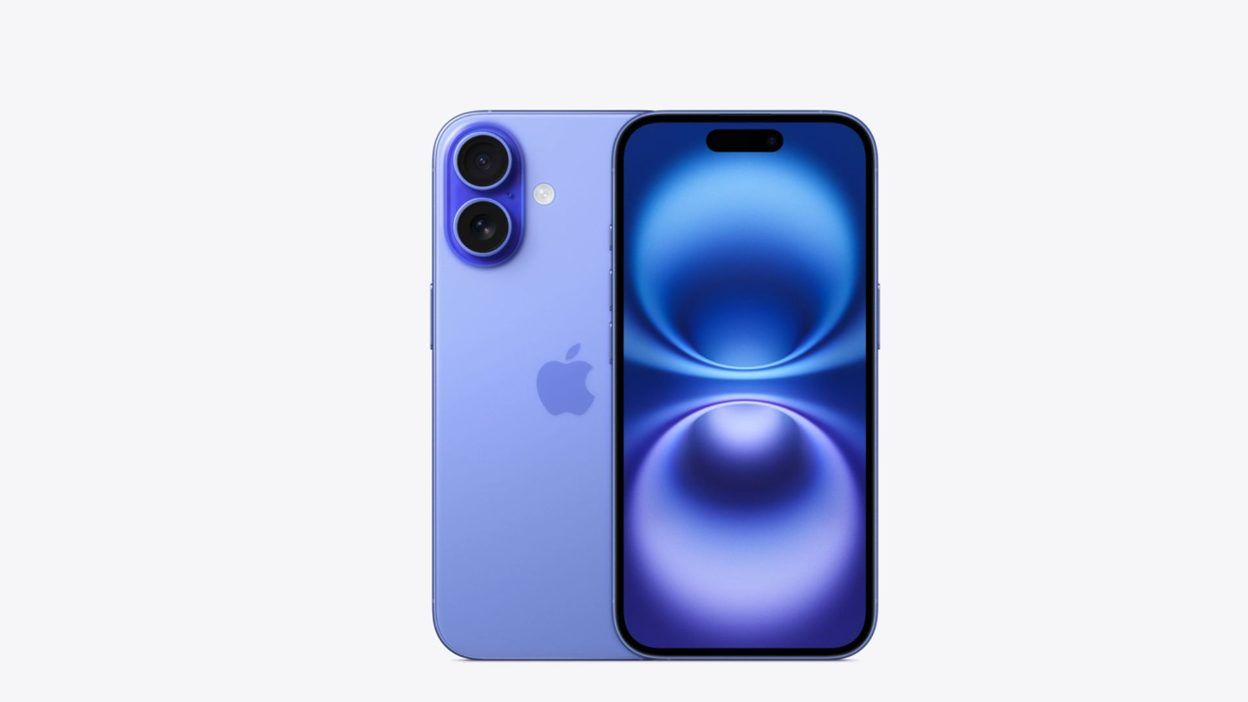

Apple has made a strong comeback in China, with iPhone shipments increasing by 128% in November. This significant rise, driven by attractive trade-in offers and discounts on models such as the iPhone 17 Pro Max, has boosted Apple’s market share in the region.
The surge in shipments marks a recovery for Apple in one of its largest markets and is reshaping competition among smartphone brands in Asia. According to a report by International Business Times, international phone shipments from China reached 6.93 million in November. While overall smartphone shipments rose by only 1.9%, Apple’s impressive growth highlights its increasing influence.
This turnaround follows years of declining iPhone demand in China and comes amid a shift in consumer preferences toward premium technology products despite ongoing geopolitical tensions.
The iPhone 17 Pro Max played a key role in this success, becoming the best-selling model in China. Trade-in deals and online discounts made the phone more accessible to Chinese buyers. By early November, Apple had sold over 8 million units of the iPhone 17 series in China, with nearly half being high-end models. This indicates a strong willingness among consumers to invest in premium smartphones.
During China’s month-long Singles’ Day sales event, which ended on November 11, the iPhone 17 brand accounted for 26% of all smartphone sales. The market saw a 3% increase in sales, but without Apple’s contribution, it would have faced a 5% decline. This performance reversed a predicted 1% market shrinkage into 3% growth.
Industry analyst IDC projects that Apple will ship 247.4 million smartphones globally in 2025, capturing a 6.1% market share. This would mark the first time since 2010 that Apple leads the global smartphone market, breaking Samsung’s 14-year dominance.
In October and November, one in every four smartphones sold in China was an iPhone, giving Apple a 25% penetration rate—the highest since 2022. Data from Chinese e-commerce platforms like JD.com show that consumer demand for Apple products extends beyond seasonal trends.
Meanwhile, Chinese brands experienced setbacks as Apple gained ground. Huawei’s market share dropped from 17% to 13%, affected by the delayed launch of its Mate 80 series and missed Singles’ Day sales opportunities. Xiaomi’s market share fell to 11%, despite holding 17% overall, due to early product launches that impacted sales timing. Xiaomi remains the second-ranked brand.
Apple’s longer sales cycle and consistent marketing efforts have helped international brands increase their combined market share to 23%, up from about 10% in previous months.

Bhupendra Singh Chundawat is a seasoned technology journalist with over 22 years of experience in the media industry. He specializes in covering the global technology landscape, with a deep focus on manufacturing trends and the geopolitical impact on tech companies. Currently serving as the Editor at Readhis insights are shaped by decades of hands-on reporting and editorial leadership in the fast-evolving world of technology.

Comments are closed.