
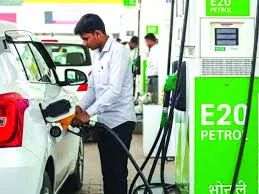

Delhi: There is going to be a big change for the drivers across the country from April 1. The Central Government has directed that up to 20% ethanol mixed petrol (E20) will now be sold in all states and union territories. This decision has been implemented through the notification of the Ministry of Petroleum and Natural Gas. The government says that this step will not only reduce dependence on imported crude oil, but will also help in increasing the income of farmers and protecting the environment.
What is the new order?
The government has directed oil marketing companies (OMCs) to make available 20% ethanol blended petrol with minimum 95 Research Octane Number (RON) across the country, as per Bureau of Indian Standards (BIS) standards. RON is a measure of fuel quality and stability. It tells how much compression the fuel can withstand in the engine without knocking. In case of knocking, the engine may be damaged. The octane number of ethanol is around 108, which improves the knock-resistance capability of petrol.
Why is ethanol important?
Ethanol is mainly made from sugarcane, corn and other grains. It is considered a cleaner fuel than petrol. This reduces carbon emissions and increases demand for agricultural products. According to the government, the country has saved foreign exchange worth more than Rs 1.40 lakh crore since 2014-15 due to the ethanol blending program. This has reduced the import of crude oil. India had achieved the target of 10% ethanol blending in June 2022 ahead of schedule. After this, the target of 20% blending was set for 2025-26, which is now being implemented on a large scale.
What will be the impact on drivers?
Most new vehicles (built after 2023) are designed to be E20 compliant and will not face any major technical issues. However, mileage may be reduced by 3-7% in older vehicles. In some cases, the possibility of impact on rubber and plastic parts has also been expressed. Nevertheless, the government and the auto industry believe that this change will be implemented gradually and in a balanced manner, which will not impose a major burden on ordinary consumers.

Comments are closed.