
Conflict on Great Nicobar: Question of development or destruction, Rahul Gandhi raised questions

- Rahul Gandhi raised sharp questions on forests, tribes and transparency
- Center claims-game changer for India’s maritime power and global trade
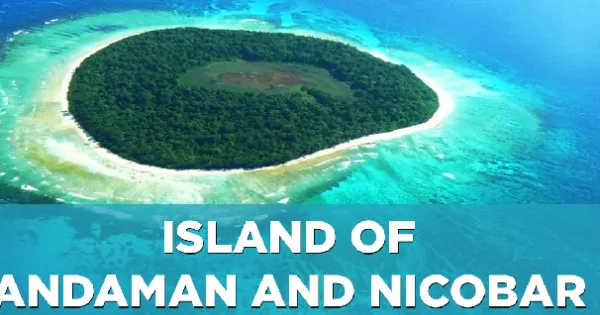
New Delhi. Great Nicobar Island of Andaman and Nicobar Islands, situated in the tranquil expanse of the Indian Ocean, has become the hot point of national debate these days. The reason is that mega project of about Rs 80 thousand crore, which the government is calling a ‘game changer’ for India’s maritime and strategic future, and which the opposition, especially Rahul Gandhi, is considering as the prelude to environmental and humanitarian crisis.
The question is simple, but the answer is complex, is this a model of development or a script of destruction? The blueprint of the project is ambitious – a transshipment port, international airport, power plant and an entire new township. Its location is considered to be its real strength. Being very close to the Strait of Malacca, the port being built here can give India a new identity on the map of global maritime trade. Currently in Asia, hubs like Singapore dominate this route, and India has been trying to increase its share in this space for a long time.
The government argues that Great Nicobar can fill this gap and will also strengthen India’s strategic hold in the Indian Ocean. But the other side of the picture is no less unsettling. According to environmental experts, large scale forest area will be affected for this project. This area is a treasure trove of biodiversity, where many rare species are found. The ecology here is so delicate that even minor interference can cause long-term damage. The 2004 tsunami had already highlighted the region’s sensitivity, so apprehensions about heavy construction activity are natural.
The most sensitive question is that of tribal existence. Communities such as the Shompen tribe and the Nicobarese tribe have been native to the island for centuries. Their life is deeply connected to the forest, land and tradition. Experts fear that the urbanization and outside interference that will come with this project could shake the socio-cultural fabric of these communities. Based on these issues, Rahul Gandhi has termed it as a ‘crime against natural and tribal heritage’.
Although his ‘biggest scam’ allegation has not yet been confirmed in any official investigation, it has definitely intensified the debate. The government rejects these allegations, saying that the project has received all the necessary environmental clearances and conditions have been set to minimize the damage. Officials claim that planned rehabilitation and conservation measures will be taken to protect the interests of local communities.
In fact, Great Nicobar is no longer just a project, it has become a test of India’s development model. On the one hand there are economic aspirations, global competition and strategic needs, on the other hand there are questions of environmental balance, disaster risk and protection of cultural heritage. Ultimately, this debate will not be settled by either side winning or losing. The real challenge is whether India will be able to find a path where the pace of development is maintained and nature and tradition do not have to be paid at the same time. Great Nicobar is the toughest test of this balance and, for now, its outcome is yet to be awaited.

Comments are closed.