

The silent tie-breaker, introduced in the 2010 Indian Premier League (IPL) Auction and used only three times, was designed for situations where two franchises reached the same “last bid” for a player and one of them had already exhausted its purse.
In such cases, both teams submitted a confidential written bid stating how much extra they were willing to pay above their final auction bid. This amount was paid directly to the BCCI, not affecting the franchise’s purse, and had no upper limit. If the written bids matched, the process was repeated until a winner was found.
The mechanism was created to resolve deadlocks in auctions with smaller purses. It came into play for only three players: Kieron Pollard and Shane Bond in 2010, and Ravindra Jadeja in 2012.
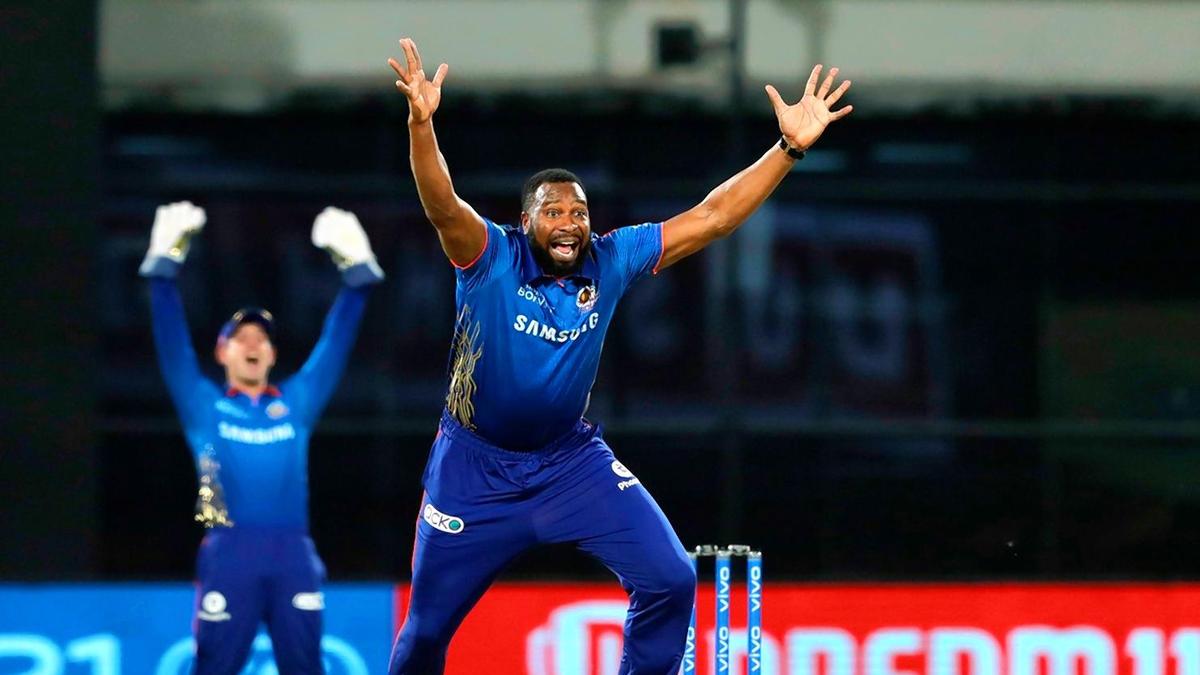
When 22-year-old Pollard became the marquee buy of the 2010 auction, Mumbai Indians had to fend off bids from Chennai Super Kings, Royal Challengers Bangalore and Kolkata Knight Riders, with all four franchises hitting the maximum permitted bid of USD 750,000. With the auction gridlocked, auctioneer Richard Madley activated the silent tie-breaker.
Each franchise submitted a secret additional bid, and Mumbai won after reportedly offering USD 2.75 million, which would have made Pollard the costliest player of the day. The same method was later used to settle the bidding for Bond.
The tie-breaker appeared again in 2012 when Deccan Chargers (now Sunrisers Hyderabad) and Chennai Super Kings both reached the USD 2 million cap for Jadeja. The deadlock went to secret bids, and CSK’s higher offer secured the player.
This is how the rule functioned in past IPL auctions. Whether the silent tie-breaker will be retained or modified for the 2026 mini auction has not been confirmed yet.
Published on Dec 12, 2025

Comments are closed.