
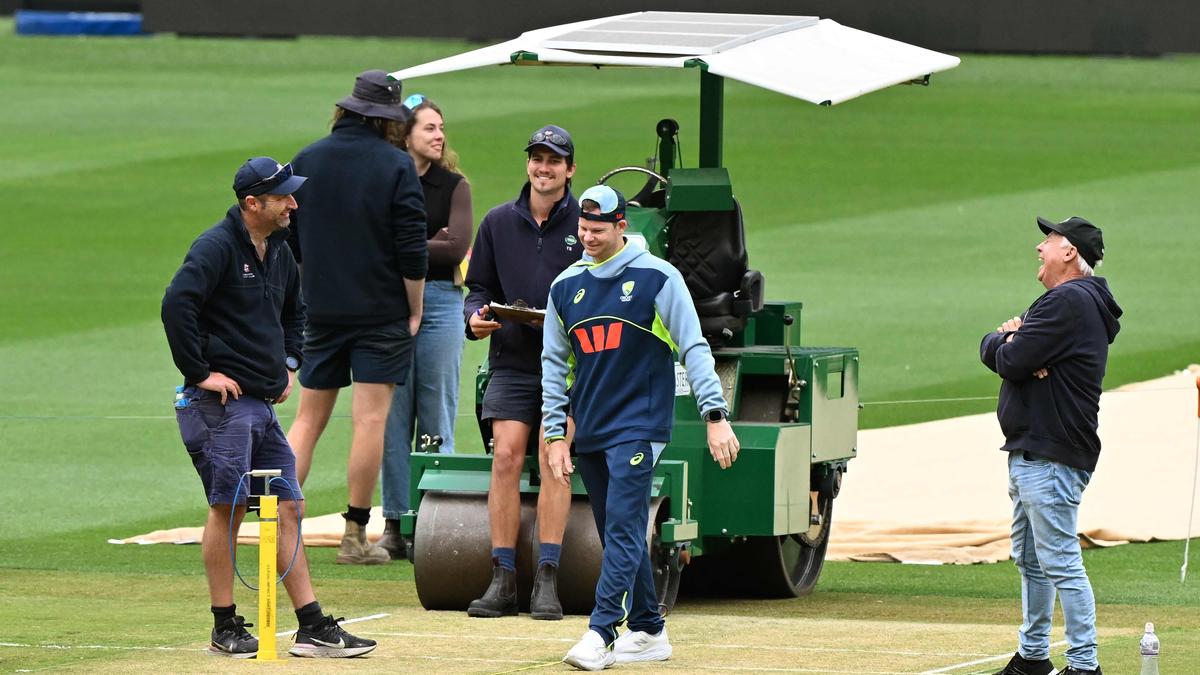

Cricket Australia (CA) has decided against taking greater control over the preparation of Test match pitches. Instead, it will continue to let local curators manage their own grounds, even after several matches ended much earlier than expected during the recent Ashes series.
The matches in Perth and Melbourne both ended in two days, costing CA about AUD 15 million in lost revenue. While CEO Todd Green admitted that quick games are “bad for business,” the organisation believes a “one-size-fits-all” approach wouldn’t work in a country as large as Australia.
CA’s head of operations, Peter Roach, told the Australian Associated Press that managing pitches from a central office is nearly impossible because every region is different.
“It’s inconceivable that we could ever control much more than we do now,” Roach said. “In England, you could put in a central curator to go around or New Zealand, or South Africa, because the wickets and the clays and the climates are so similar.”
“In Australia, because they’re so different, you could put the best curator in Australia to a different venue and all of a sudden they’re an also-ran for a while. Because they wouldn’t know the characteristics and the climate and how those pitches respond to that.”
CA currently uses a consultant to help local staff, but it doesn’t give strict orders. It’s target is to have pitches which should last at least four days and provide a fair fight between batters and bowlers.
Roach emphasised that having different types of pitches across the country is actually a strength.
“The difference of our pitches across from west to east to north to south is so pronounced and it’s something that we don’t want to change,” he said.
“We think it’s a really good competitive advantage that we don’t want to make our wickets all too similar like we see in some other countries.”
While giving local curators freedom can lead to mistakes—like the two-day finishes seen recently—CA believes it is worth the gamble to keep the game interesting.
“Giving curators the chance to explore their unique characteristics is really important. But with that comes a reasonable amount of risk,” Roach said. “It does mean that occasionally we go wrong … But I think our history is pretty good in terms of working with venues to improve them.”

Comments are closed.