

In my last column, I wrote that the soaring valuations of Royal Challengers Bengaluru and Rajasthan Royals were less a triumph of Indian sport and more a triumph of one sport. But perhaps, the larger question lies beyond valuation: what comes after the franchise boom?
Because while India has spent the last decade trying to replicate the IPL, many of the world’s mature sporting cultures have spent the last century building something more durable.
A franchise can win titles, sell sponsorships and command television ratings. But sporting institutions shape a city, develop generations of athletes and survive cycles of victory and defeat. India has many of the former, but it needs more of the latter.
If you are ever in Barcelona, you will quickly understand that FC Barcelona is not merely a football club. It is a cultural identity. The same crest lives across basketball, women’s football, handball, futsal and youth sport. Real Madrid, for all its global glamour, follows a similar pattern. Olympiacos in Greece, Fenerbahce in Turkey and Sporting CP in Portugal are not simply clubs but social organisms of their cities.
They live by a simple maxim: one badge, many sports; one fan base, many emotional entry points.
The model compounds powerfully. A child may enter through basketball and stay for football. A sponsor may buy one property and inherit five. A city remains engaged across the calendar, not merely during a single league window.
Despite the astronomical success of the IPL, and the more modest gains made by the Pro Kabaddi League, Women’s Premier League, Hockey India League and the Indian Super League, much of Indian sport remains event-led rather than institution-driven.
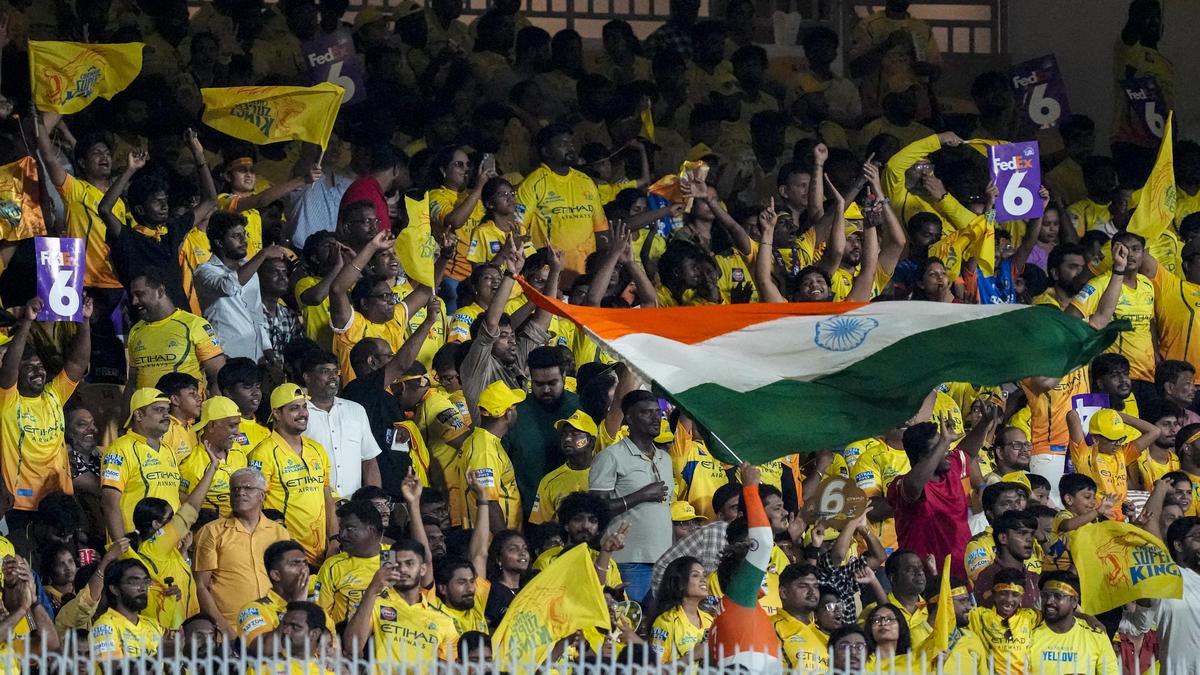
Every year, IPL teams appear, compete, market themselves for a few months and then recede from public consciousness. Fan engagement is intense but episodic. Sponsorship is sold season by season. Youth pathways remain peripheral, and cities host teams without fully owning them.
If the first wave of sports investment in India was about buying a franchise and entering a league, the next wave should focus on building permanent sporting institutions that are deeply integrated into cities.
Imagine a Bengaluru sporting institution operating cricket, football, women’s cricket, volleyball and academies under one umbrella. Imagine Kolkata reviving its historic club culture into a modern multi-sport platform. Imagine Chennai, Ahmedabad or Lucknow building year-round city brands rather than seasonal, cricket-centric assets.
Sponsors would buy into annual ecosystems. Fans would engage for 12 months. Academies would become both a pipeline and a business, while merchandise, memberships and content would generate recurring revenue.
This future is not theoretical. JSW already owns teams across cricket, football and kabaddi while investing in Olympic sports. Reliance has built beyond teams into pathways and infrastructure. RPSG spans cricket and football. But many such investments remain scattered rather than rooted in one geography.
Seven IPL franchise owners have already expanded overseas, buying teams in South Africa, the UAE, the Caribbean and elsewhere. Profits generated in India are being exported to acquire cricketing assets abroad. But when one sport already commands more than 80 per cent of the domestic sports economy, there is a legitimate question: should some of that capital instead be reinvested into the underfunded Indian sports ecosystem? Should governments remain passive, or design smart incentives through tax rebates, infrastructure credits, co-investment schemes and grassroots grants as cross-sport ownership benefits for franchise groups that invest meaningfully in city-based multi-sport development?
The opportunity now is to build across sports within India: an RCB football team in Bengaluru, a CSK women’s cricket team in Chennai, an LSG hockey team in Lucknow, a Gujarat Titans volleyball team in Ahmedabad, all tied to a city crest.
To make these teams not just tenants of the city, but part of its psyche and consciousness.
The next phase of Indian sport should not be global acquisition but local permanence. Franchises must become sporting institutions embedded in the heartbeat of their cities.
Published on Apr 23, 2026

Comments are closed.