
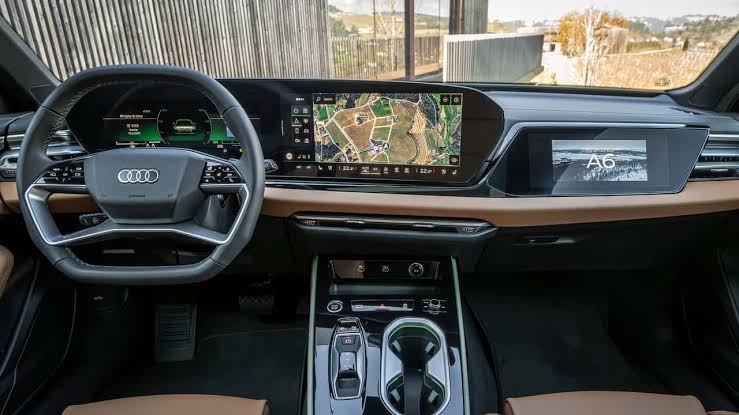

After years of embracing large touchscreens and digital-heavy dashboards, Audi is preparing to change course. The German luxury carmaker has confirmed that its future vehicle interiors will place greater emphasis on physical controls, premium craftsmanship, and a more balanced approach to technology.
The move reflects growing customer demand for cabins that are easier to use while driving and offer a more refined luxury experience. Rather than making displays the centerpiece of the dashboard, Audi wants technology to blend naturally into the cabin without overwhelming it.
The design philosophy represents a significant shift for a brand that once led the industry in replacing traditional buttons with touchscreen controls.
A Return to the Audi Cabin Drivers Remember
According to Audi’s Technical Development Board Member, Rouven Mohr, the company’s future interiors will follow a more subtle approach to digital integration.
Instead of continuously increasing display sizes, upcoming Audi models will focus on combining advanced technology with tactile controls that drivers can operate without taking their eyes off the road.
For many longtime Audi owners, this is welcome news. Earlier generations of Audi vehicles were known for their intuitive MMI rotary controller, solid switchgear, and premium materials that gave every interaction a satisfying mechanical feel. As touchscreens gradually replaced those elements, many enthusiasts felt the cabins became less practical and less distinctive.
Audi now appears ready to restore some of that identity.
Premium Materials Take Centre Stage
Although the design transition won’t happen immediately, Audi says upcoming models, including the next-generation Q7 and the larger Q9 SUV, will begin showcasing its renewed focus on craftsmanship.
These vehicles are expected to feature genuine slate trim and higher-quality materials throughout the cabin, reinforcing the company’s effort to make interiors feel more luxurious without relying solely on digital displays.
The goal is to create spaces that feel timeless rather than technology-driven.
Finding the Right Balance Between Digital and Practical
The automotive industry has spent the past decade competing to install larger screens in vehicle interiors. While digital displays offer flexibility and modern styling, many drivers have criticised them for making simple tasks more distracting.
Essential functions such as climate controls, audio adjustments, and drive settings often require navigating multiple touchscreen menus, something that can take attention away from the road.
Audi believes physical buttons, rotary dials, and tactile switches still have an important place in modern vehicles. The company says these controls should continue delivering the precise “Audi click” that has long been associated with the brand’s premium quality.
Concept Cars Preview the Future
Audi has already offered a glimpse of its future design direction through recent concept vehicles.
The Nuvolari concept features a clean dashboard with a traditional instrument cluster and a modest portrait-oriented central touchscreen positioned lower on the console. Similarly, the Concept C roadster adopts a restrained interior layout with a landscape touchscreen complemented by physical rotary controls on the steering wheel.
Rather than eliminating technology, these concepts demonstrate how digital features can coexist with thoughtfully designed physical controls.
A Shift That Reflects Customer Preferences
Audi’s renewed focus on tactile controls signals a broader industry trend. As automakers continue experimenting with digital interiors, many customers are asking for a better balance between innovation and usability.
By bringing back physical buttons, investing in authentic materials, and reducing visual clutter, Audi is aiming to create cabins that are not only more luxurious but also more intuitive to use every day.
If the upcoming generation of models delivers on that promise, Audi could once again set the benchmark for premium interior design this time by proving that sometimes, less screen really is more.

Comments are closed.