
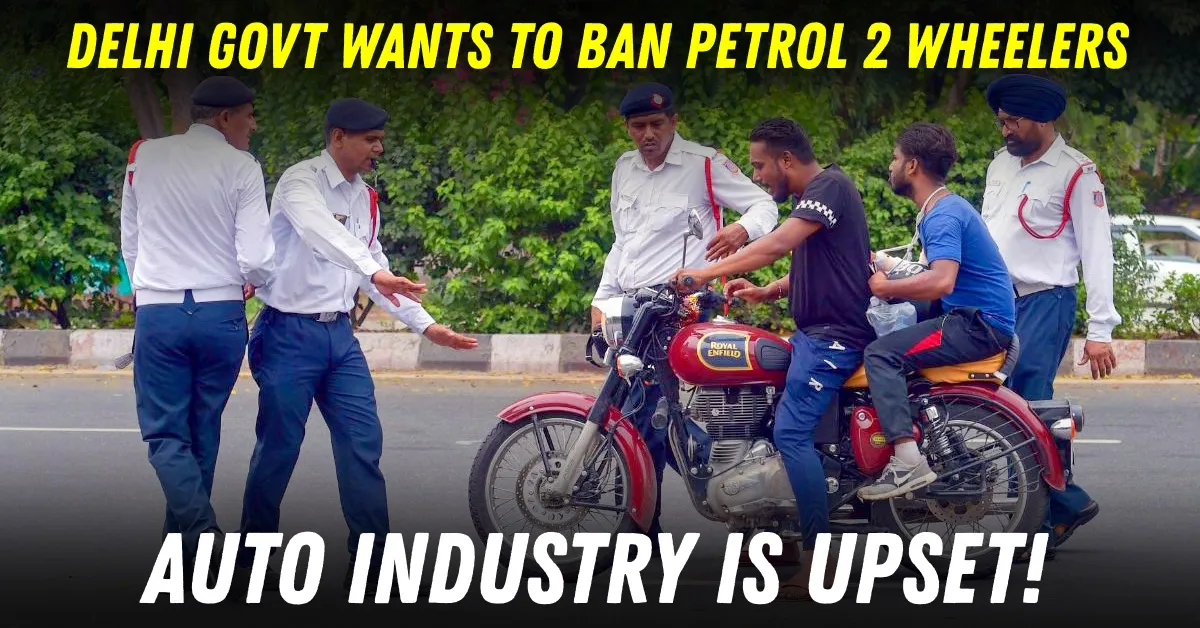

Delhi’s draft EV policy 2.0 proposes banning the registration of new petrol two-wheelers from April 2028. On paper, the idea is clean. In practice, it is one of the most disruptive proposals put to any state government by a public policy document in recent years, and the automobile industry is not happy.
The two-wheeler market in Delhi is a lifeline. In FY25, petrol two-wheelers accounted for around 65 percent of total vehicle registrations in Delhi. Nationally, the two-wheeler segment sells roughly 1.9 to 2 crore units annually, of which EVs currently make up around 6 percent.
The idea that within two years, a market of this size will have an alternative supply chain ready to replace petrol two-wheelers at the volume, price, and variety currently available is the central problem with the 2028 target.
Electric two-wheelers are still predominantly dependent on Chinese battery cells, Chinese battery management systems, and Chinese power electronics. The industry, speaking through SIAM and directly in representations to the Delhi government, has flagged that a forced ban would only increase the dependency on Chinese imports rather than reduce it.
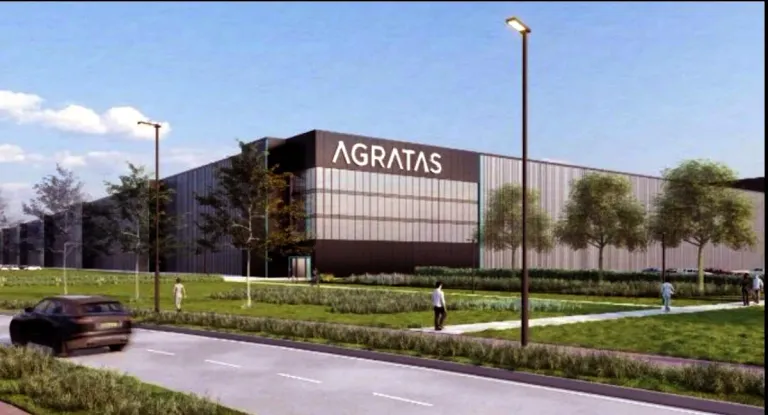
Domestic cell manufacturing capacity, while being built through programmes like the PLI scheme for ACC batteries, will not be at volume by 2028. The operational Gigafactories, including Ola Electric’s Punajanur plant in Tamil Nadu, are scaling but nowhere near full capacity.
The price parity argument is equally fragile. An entry-level petrol scooter, the kind that a delivery worker, a nurse doing daily shifts, or a college student buys, costs Rs 65,000 to Rs 80,000. The cheapest competitive electric scooters start at Rs 90,000 to Rs 1.10 lakh.
Even with subsidies, the gap does not close entirely for the most price-sensitive buyers. Forcing a ban on supply is not the same as making the alternative affordable.
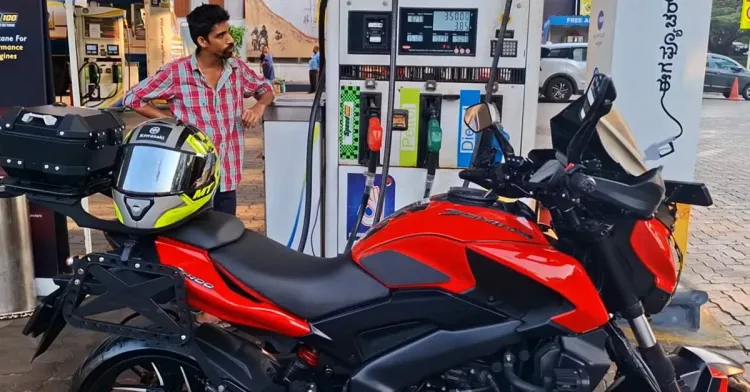
Banning petrol two-wheeler registrations does not make people buy electric ones automatically. It shifts a portion of buyers to second-hand petrol vehicles, which are older, more polluting, and not covered by the ban.
It pushes another portion to delay purchases entirely, hurting both manufacturers and dealers. And it pushes a third group to the neighbouring NCR cities, Gurgaon, Noida, Faridabad, where no such ban applies, effectively moving the purchase rather than the pollution.
The policy offers a 100 percent road tax waiver on EVs as an inducement. Road tax waiver is not a sweetener when the upfront vehicle cost is the barrier, not the registration tax. A first-time two-wheeler buyer evaluating a Rs 95,000 electric scooter against a Rs 72,000 petrol scooter is not calculating the road tax differential as a deciding factor.
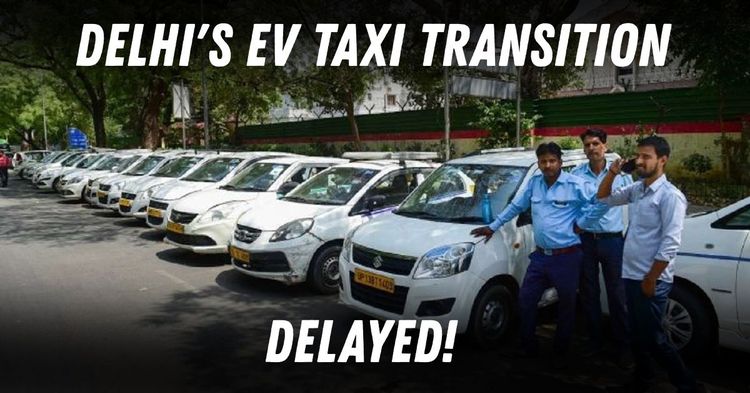
Delhi has tried ambitious EV mandates before and retreated. The EV policy 1.0 target of 25 percent EV share by 2024 ended at under 10 percent. The enforcement mechanism for any ban requires registration-level blocking at transport offices, which are already strained.
Without central government coordination on production mandates to manufacturers, the state cannot unilaterally force a transition by banning the output of factories outside its borders. This proposal needs to be watched as a draft, not a finalised policy. The probability of the April 2028 date surviving the consultation process intact is low.
Via Bussiness
Comments are closed.