

Automatic start-stop technology has long been one of the most divisive features in modern vehicles. Designed to save fuel and cut emissions, the system has instead become a frequent source of irritation for drivers. Now, it appears the federal government may be preparing to step back from its support of the technology.
On Tuesday, Environmental Protection Agency Administrator Lee Zeldin took to social media to tease a “major announcement” related to start-stop systems, suggesting that a policy change could arrive as early as this week.
How Start-Stop Systems Work
The concept behind automatic start-stop technology is straightforward. When a vehicle slows to a stop, such as at a traffic signal or in heavy congestion, the engine shuts off. The moment the driver lifts their foot from the brake or presses the accelerator, the engine restarts.
In theory, this cycle reduces fuel consumption and tailpipe emissions, particularly in dense urban driving. In past assessments, the EPA has said the systems can improve fuel economy by up to five percent under the right conditions.
In practice, many drivers find the frequent engine shutoffs disruptive, citing concerns over drivability, cabin comfort, and long-term wear on starters and batteries.
Not Mandated, But Widely Adopted
Despite their prevalence, start-stop systems have never been legally required in the United States. Automakers voluntarily adopted the technology largely because of federal incentives. By installing start-stop systems, manufacturers can earn so-called off-cycle credits that help them meet overall fuel economy and emissions targets.
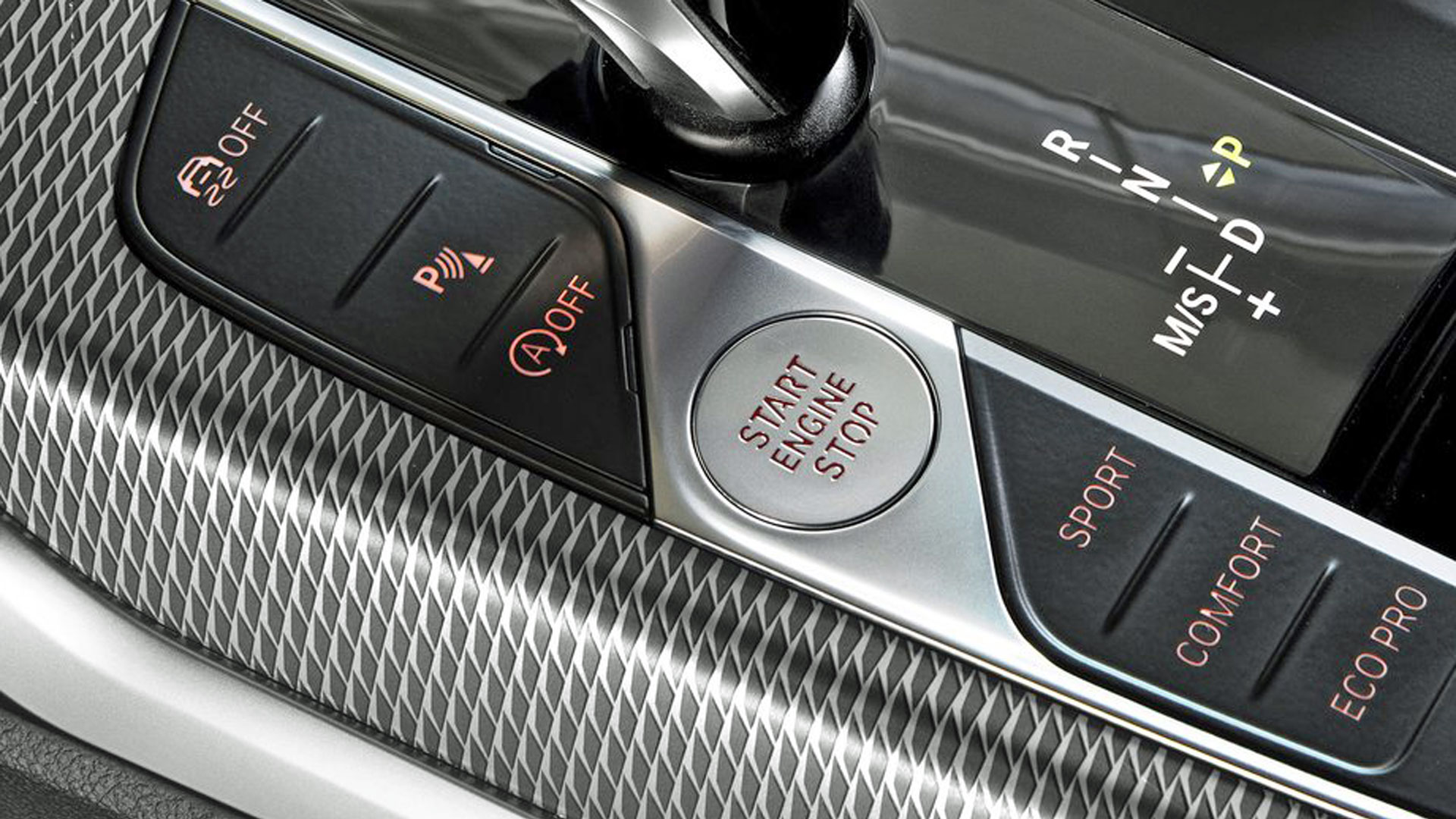
That incentive structure explains why the feature has become nearly universal across new vehicles. While most cars include a button to disable start-stop, the system typically resets every time the vehicle is restarted—one of the most common complaints from owners.
Zeldin’s Message and Political Backdrop
Zeldin has been outspoken about his opposition to the technology, particularly during the early months of the Trump administration. In his latest post on Xhe said the agency has heard from “countless Americans” who “passionately despise” the feature, calling the repeated on-off cycling “absurd.”
The post stops short of explaining what the EPA plans to do, but it signals a clear shift in tone from previous administrations that emphasized incremental efficiency gains.
What the EPA Could Change
One likely option is the removal of off-cycle credits tied to start-stop systems. That move would not ban the technology outright but could reduce automakers’ motivation to include it across their entire lineups.
Another possibility is regulatory guidance that encourages more persistent disable options, allowing drivers to turn off the system without having to do so every time they start their vehicle.
For now, uncertainty remains. What is clear is that automatic start-stop technology, once promoted as a quiet efficiency win, has become a flashpoint in the broader debate over how much control drivers should have versus regulators. The EPA’s upcoming announcement could reshape that balance.

Comments are closed.