
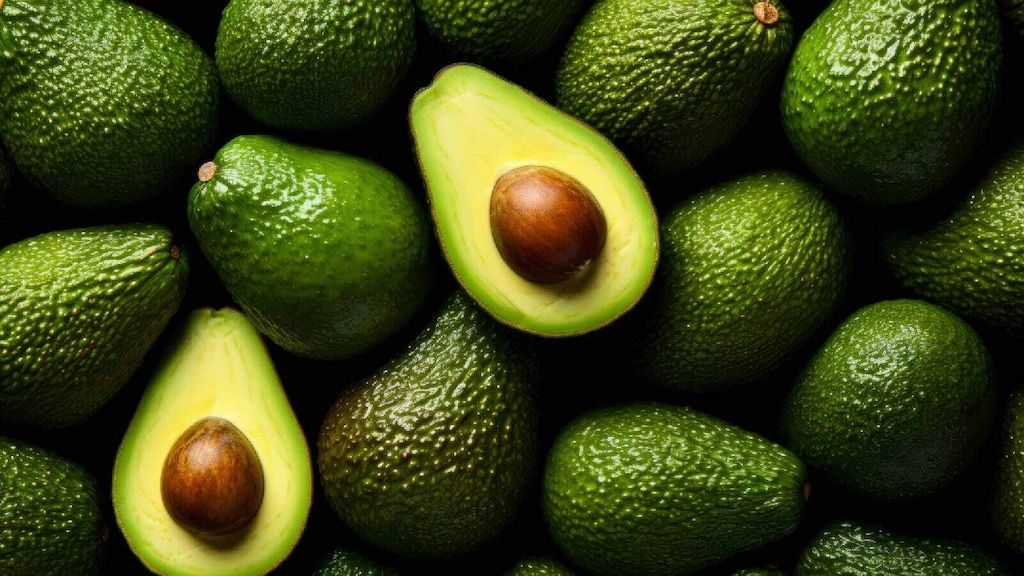

“Avocado Hand” refers to injuries caused while cutting or de-seeding an avocado. The condition typically occurs when a knife slips and cuts into the hand or fingers, sometimes leading to serious damage to nerves and tendons.
Though cuts can happen while slicing any fruit, experts note that such injuries are more frequent with avocados due to their soft, slippery texture and hard central seed.
Why Is It So Common?
The fruit’s creamy interior often requires users to apply pressure while cutting or removing the seed. This increases the risk of the knife slipping—especially when the avocado is held in the hand instead of placed on a stable surface.
In severe cases, “Avocado Hand” injuries may require surgical intervention if deep cuts affect muscles or nerves.
Health Benefits of Avocado
Despite the risks, avocados remain a highly nutritious food. They are rich in:
- Vitamins C, E, K, and B6
- Healthy fats including Omega-3 fatty acids
- Minerals such as potassium and magnesium
- Nutrients like folate, riboflavin, and niacin
These nutrients support immunity, heart health, and overall well-being.
How to Cut Avocado Safely
Experts recommend simple precautions to avoid injury:
- Always place the avocado on a cutting boardnot in your hand
- Slice gently instead of applying excessive force.
- Use a spoon to remove the seedsinstead of striking it with a knife
- For ripe avocados, remove the seed carefully by hand if possible.
- Scoop out the pulp with a spoon rather than peeling with a knife
Step-by-Step Safe Method
- Place the avocado on a cutting board
- Slice it lengthwise gently
- Twist the halves to separate
- Remove the seeds using a spoon
- Scoop out the flesh safely
Key Takeaway
While avocados offer excellent health benefits, improper cutting techniques can lead to serious hand injuries. Practicing safe kitchen habits can help prevent “Avocado Hand” and ensure a risk-free cooking experience.
Disclaimer:
This article is for informational purposes only and is based on general health guidance and expert inputs. It is not a substitute for professional medical advice. Readers are advised to consult a qualified healthcare professional in case of injury or before following any health-related practices. The publisher is not responsible for any outcomes resulting from the use of this information.

Comments are closed.