
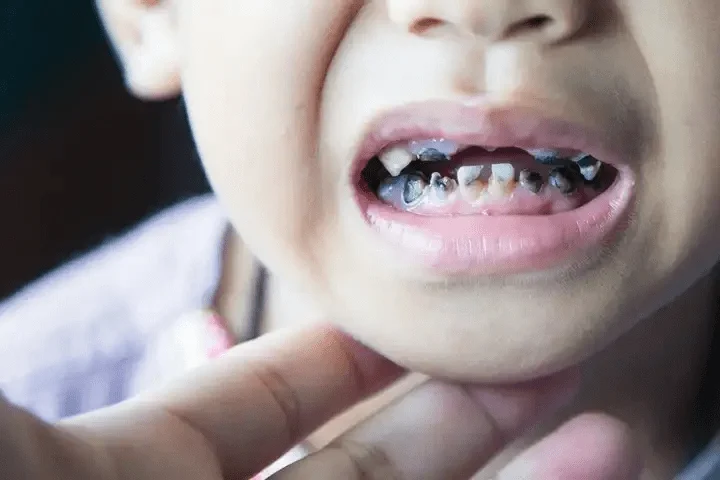

The first few years of a child’s life are very important for his physical and mental development. Dental health plays an important role in this. When we talk about milk teeth, many parents assume that these teeth are temporary, so the teeth that are in them (…)
The first few years of a child’s life are very important for his physical and mental development. Dental health plays an important role in this. When we talk about milk teeth, many parents assume that these teeth are temporary, so cavities in them are not a big problem. But medically this thinking is completely wrong.
1. Why are baby teeth important?
Milk teeth are not only used for chewing, but they act as “space maintainers” for permanent teeth to come. If a baby tooth falls out prematurely due to decay or infection, the proper way for permanent teeth to erupt is affected, increasing the chances of misalignment.

2. How does baby tooth decay affect permanent teeth?
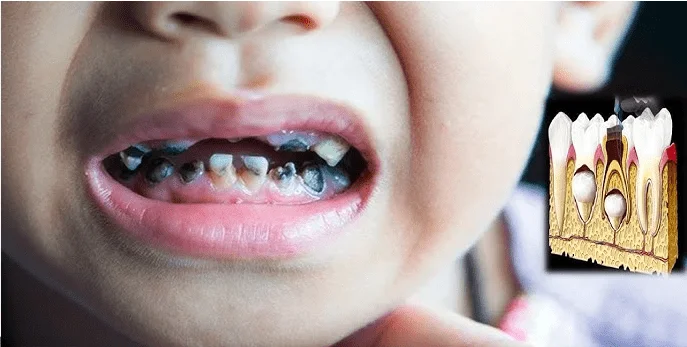
Dr. According to Tarun Anand, tooth decay is not limited to the upper part of the tooth.
- Access to roots: When the cavity grows, it reaches the root of the tooth. Since the roots of permanent teeth are developing right below the baby teeth, infection of the baby tooth can directly damage the root of the new tooth.
- Bacterial infection: Bacteria caused by decay can spread to the gums, reducing the structure and strength of permanent teeth.
3. Other problems caused by cavities
Decay affects not only the teeth, but also the overall health of the child:
- Acute pain: Toothache is very disturbing to the child. This makes him unable to eat properly, which affects his nutrition.
- School performance: Pain and lack of sleep distract the child from studies and other activities.
- Difficulty speaking: Improper tooth structure can also affect a child’s pronunciation.
4. What should parents do? (proactive steps)
If you notice discoloration, dark spots or small pits on your child’s teeth, don’t waste time.
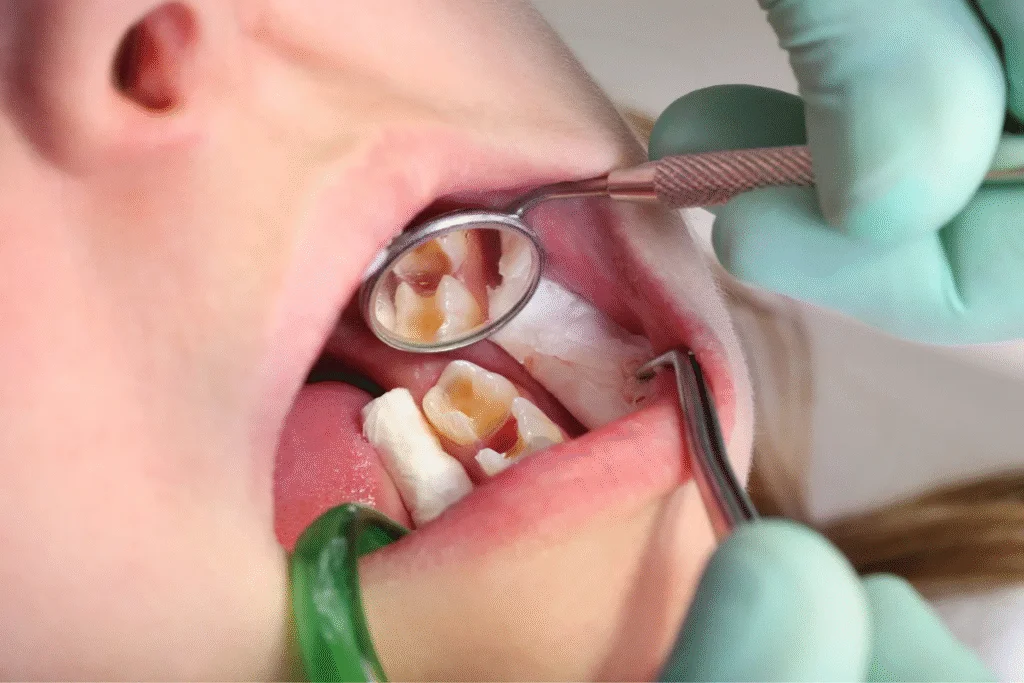
- Go to the dentist right away: A dental specialist’s advice is also necessary for a child below 4-5 years of age.
- Professional treatment: If the decay is at an early stage, doctors can fill it (Filling), which will prevent further damage to the tooth.
5. How to maintain the child’s oral hygiene?
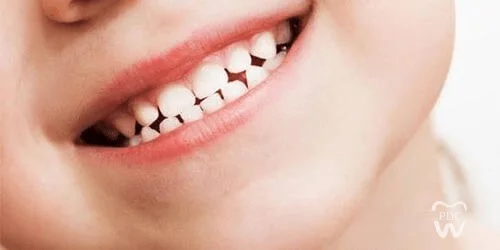
Good habits from childhood can give a child healthy teeth for life:
- From 6 months of age: As soon as the baby is 6 months old, you can start gently cleaning his gums with a clean wet cloth or a ‘silicone finger brush’. It not only keeps clean but also relieves teething pain.
- Proper brushing: When the first tooth erupts, use a very soft brush. Encourage the child to brush himself but be sure to supervise.
- Avoiding Sweets: Be sure to rinse the mouth after feeding at night, especially if the baby uses a feeding bottle. Milk that builds up on the teeth at night is the main cause of tooth decay.
- Balanced diet: Keep baby away from sweet toffees, chocolates and chips. Encourage them to eat fruits and vegetables.

Comments are closed.