

Bangladesh Voting will be held on February 12 to form the new government, but its echo is being heard till New Delhi. It is natural for this to happen. Bangladesh’s relations with India have been tense since the exile of Sheikh Hasina government. In such a situation, the general elections there are not only considered a process of change of power, but are also considered an important milestone in the geopolitics of South Asia. This is the reason why this election for India is directly related to many sensitive issues like border security, illegal infiltration, business interests and the growing influence of China. In such a situation, the question arises that what is India’s stake in the results of Dhaka?
History of India-Bangladesh relations
Relations between India and Bangladesh are deep historically, culturally and strategically. From the liberation war of 1971 till today, relations between the two countries have gone through many ups and downs. In recent years, there has been a rapid increase in trade, connectivity, energy cooperation and security coordination between the two countries, but after the exile of Sheikh Hasina from power and the appointment of Mohammad Yunus as the head of the government, relations have become strained. Or rather the tension has reached its peak. Improvement in this is possible only when a stable government is formed in Dhaka. It depends on the election results.
Issue of border security and illegal activities
The India-Bangladesh border is about 4,000 kilometers long, which is one of the longest international borders of India. Illegal infiltration, smuggling and cross-border criminal activities have been a matter of concern for India for a long time. In such a situation, the election of what kind of government is formed in Dhaka can directly affect the defense cooperation and border management between the two countries.
Trade and connectivity the biggest stakes
Bangladesh is an important trading partner of India in South Asia. Except for the last two years, bilateral trade between the two countries was continuously increasing. Rail, road and waterway connectivity projects have given new possibilities to North-East India. If the priorities of the new government change, the pace of these projects may be affected.
China Factor: Strategic Challenge for India
China’s influence is continuously increasing in South Asia. During Yunus’s tenure, Beijing has strengthened its presence in Bangladesh through infrastructure projects and investments. For India, this is not just an issue of economic competition but also a question of strategic balance. If the new government moves closer to China, the regional equations may change for India.
What is expected to change from the election results?
Political experts of Bangladesh say that the internal politics of Bangladesh can directly impact India-Bangladesh relations. Will security cooperation remain the same? Will Bangladesh’s relations with China strengthen? Will India’s North-East policy be affected? The answers to these questions will decide the election results to a great extent.
What is the political equation?
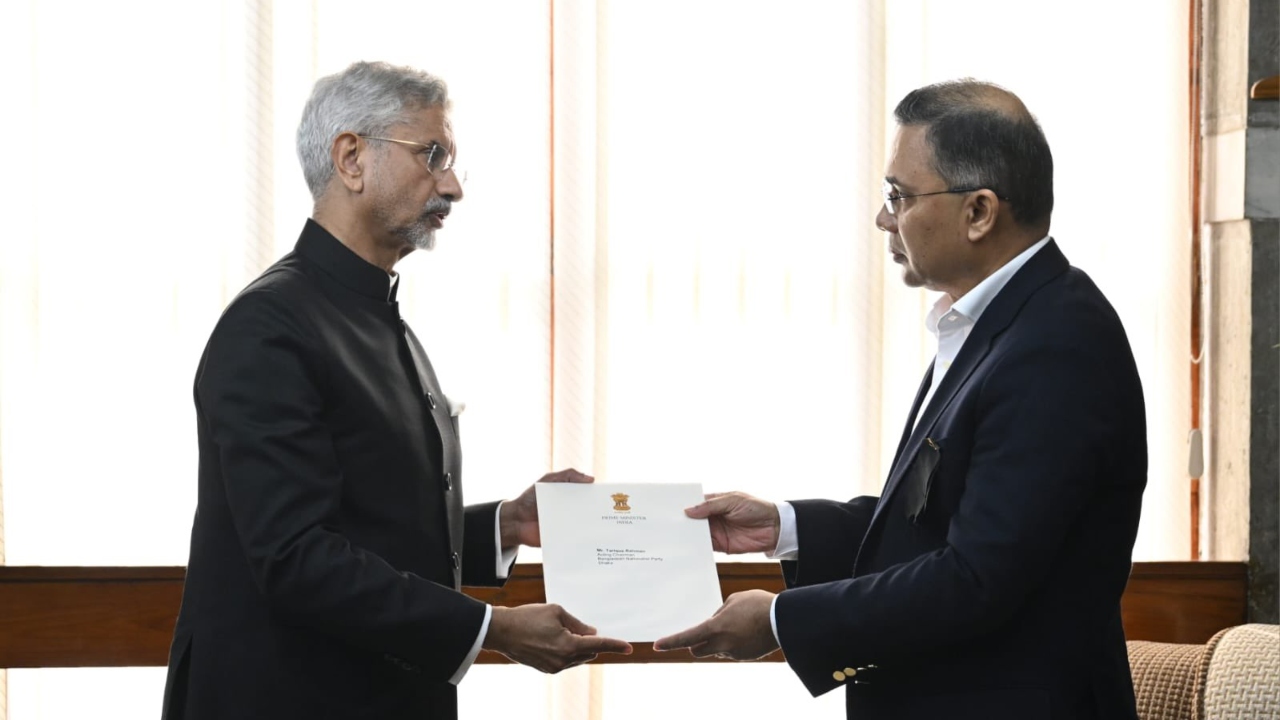
The entire election campaign in Bangladesh has been focused on two political parties. First is Bangladesh Nationalist Party and second is Jamaat-e-Islami. The leader of BNP is Tariq Rahman. He is the son of former PM Khaleda Zia. Due to Awami League not being in the elections, BNP has emerged as an alternative. On the other hand, in election surveys, Jamaat is said to be in a better position than before. In such a situation, after voting on Thursday, such results may come which India has not had to face in the last twenty years.
India was used to working with Awami League governments in Bangladesh, but now it will have to face a completely new political reality. Keeping these things in view, India is closely watching the elections there to see whether Tariq Rehman led BNP will be able to form the government on its own or it will have to include Jamaat-e-Islami in the alliance.
Will the result decide India’s stance?
Till now, India has officially avoided interfering in the internal affairs of Bangladesh, but maintaining dialogue with the new government at the diplomatic level will be its priority. Modi government will try to maintain regional stability and maintain balance in South Asia. Voting in Dhaka is not only a democratic process but also a strategic test for India.
At present, Delhi’s heartbeat is fast because whatever decision is taken in Bangladesh, it will not leave its impact on border, security, trade and regional politics. This is the reason why India is keeping a close eye on the elections there.

Comments are closed.