

In a major upheaval in the politics of Bangladesh, the country has given a new mandate in the general elections of 2026. The parliamentary elections held for the first time after the ‘July Uprising’ of 2024 saw a complete change in the system that had been in power for a long time. According to initial trends and official data, Bangladesh Nationalist Party (BNP) has taken a clear lead and has crossed the majority mark, raising hopes of new political stability in the country.
For the first time in nearly three decades, Awami League The election symbol ‘Boat’ was missing. She remained out of the election field as the party’s registration was suspended. In such a situation, the contest was mainly limited to the 11-party alliance led by Bangladesh Nationalist Party and Jamaat-e-Islami. Young voters in this election. Especially the age group of 18 to 37 years played a decisive role.
Who won the Bangladesh elections and what is the latest situation?
- In the initial trends of vote counting, BNP crossed the majority mark by winning 151 seats out of 300. Earlier, the party had won 120 seats and was leading on 55 seats. Whereas Jamaat-e-Islami and its allies were seen limited to about 43 seats.
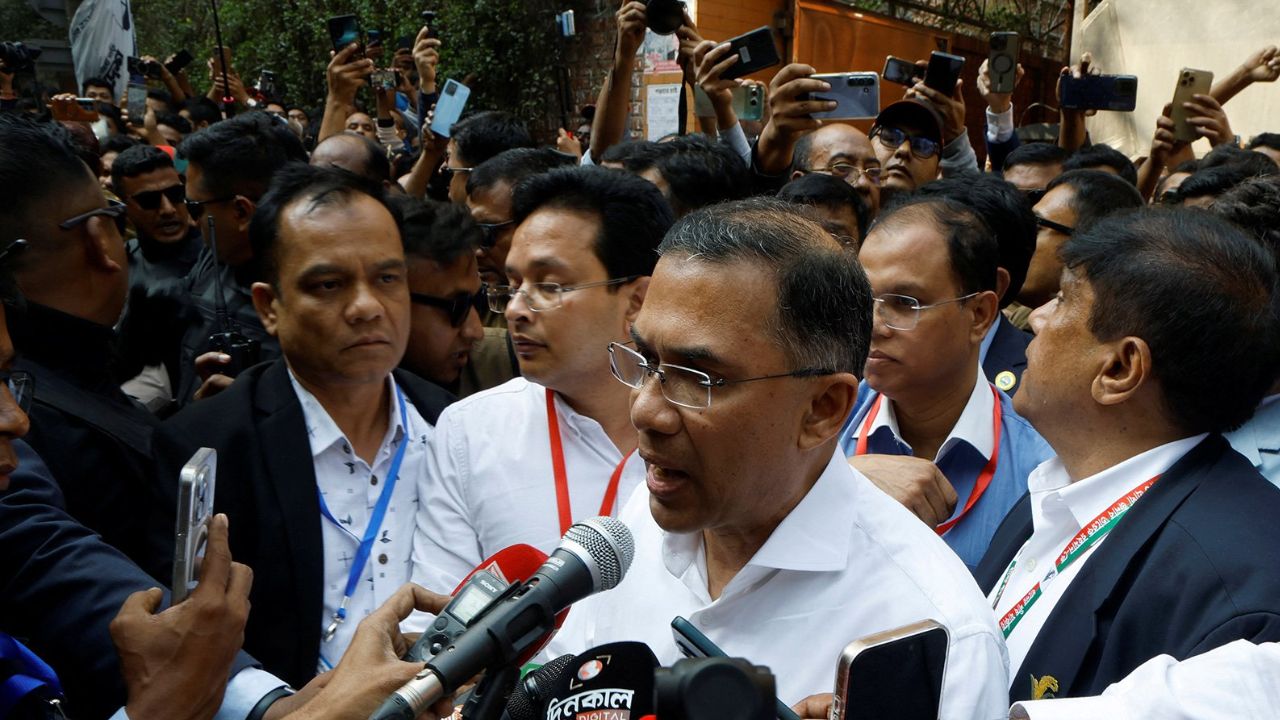
- By night the situation became clear that BNP is in a position to form a new government under the leadership of Tariq Rahman. He has won from both Bogra and Dhaka-17 seats and his chances of becoming the next Prime Minister are considered strong.
- Why was the voting percentage so low? – According to the Election Commission, voting started at 7:30 in the morning and continued till 4:30 in the evening. The overall voting percentage was recorded at only 47%, which analysts described as a “disappointing overall election”.
- Former Prime Minister Sheikh Hasina described the elections as ‘a well-planned farce’ and said that ‘such a low voting percentage clearly shows that the public has widely rejected this election which was conducted without the Awami League.’ Only twice in recent years has voting gone below 50%. 2014 (40%) and 2024 (42%)—when the opposition boycotted the elections.
- What was the position of Jamaat-e-Islami?- Shafiqur Rahman, who heads Jamaat-e-Islami, won from Dhaka-15 seat. However, his party remained far behind the majority. During the counting of votes, he indicated that the party will play a constructive role. He said, “We will do positive politics.”
- What was ‘July National Charter 2025’ and referendum? – Along with this election, a referendum was also conducted on ‘July National Charter 2025’. This is an 84-point reform package, which was proposed by the Muhammad Yunus-led interim government. The charter includes major reforms like limiting the tenure of the Prime Minister to two terms (10 years), establishing an Upper House of Parliament and restoring a 90-day caretaker government before elections.
- Yunus said on the day of voting, ‘Today is the birthday of a new Bangladesh,’ and added, ‘It is important to vote for a candidate, but the referendum is even more important. The whole of Bangladesh will change.
- Was the participation of minorities low?- The elections were held in a peaceful atmosphere, but according to reports, the presence of minority communities including Hindus was relatively low. After the change of power in 2024, incidents of attacks on minorities were reported. Meanwhile, BNP candidate Gayeshwar Chandra Roy looked headed for victory from the Dhaka-3 seat, making him the first Hindu MP to be elected from Dhaka since 1971.
- India is keeping an eye on the results of this election. Foreign Ministry spokesperson Randhir Jaiswal said that ‘Elections are going on in Bangladesh. We should wait for the results to see what kind of mandate has come, and then we will consider the issues at hand.
- As the counting of general elections in the South Asian country Bangladesh progresses, Bangladesh Nationalist Party (BNP) seems to be moving towards a clear majority. According to the trends on Friday, BNP is on the verge of a decisive victory and is in a position to form a new government in place of the interim administration. This election was held after the fall of the Awami League government in August 2024. After that the interim administration took power and now the voters voted to elect a new government.

Comments are closed.