
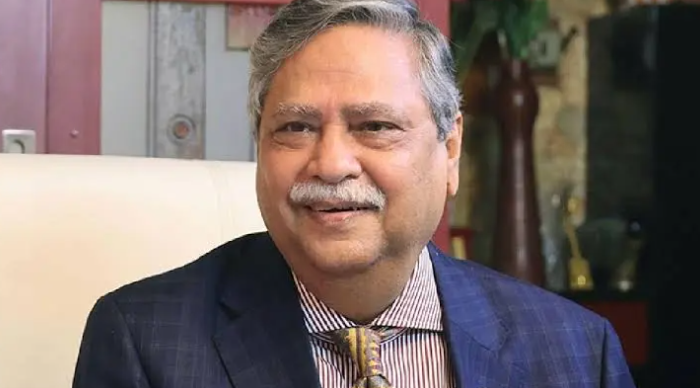

Dhaka: Bangladesh’s President Mohammad Shahabuddin is likely to resign soon, nearly two years ahead of his tenure, political sources and media reports said Thursday.
Shahabuddin was elected to the highest office by the past parliament and happens to be the only person still holding his constitutional position long after the violent July-August 2024 student-led street protest that toppled Prime Minister Sheikh Hasina’s Awami League government. Hasina fled to India and has been living there since August 5, 2024.
“It is likely that he (Shahabuddin) will resign soon,” a senior leader of Prime Minister Tarique Rahman’s ruling Bangladesh Nationalist Party (BNP) told PTI without further elaboration.
However, reports carried by several mainstream Bangladeshi media over his resignation gained momentum in the past two days, suggesting Prime Minister Rahman’s government was no longer comfortable with Shahabuddin.
Newspaper Prothom Alo quoted a high-level government source as saying that the government was unhappy with reports that Shahabuddin tried to re-establish contacts with Hasina recently.
A senior BNP leader told The Daily Star that a recently reported telephone conversation between Shahabuddin and Hasina was not the only reason behind his expected resignation and rather the issue was “more complex” as Bangladesh’s political scenario has become more sensitive with Hasina’s announcement to return home.
Earlier in the month, Hasina said she will return to Bangladesh in December.
Bangladesh said it “welcomed” Hasina’s plans to return home but asserted that she must face justice.
Bangladesh’s International Crimes Tribunal (ICT-BD) November 17, 2025 sentenced Hasina and home minister of her cabinet, Asaduzzaman Khan Kamal after trial in absentia for their superior role in taming the protest, now being dubbed as ‘July Uprising.’
A 1971 Liberation War veteran and former lower judiciary judge, Shahabuddin had taken oath in April 2023 for a five-year term.
According to Bangladesh Constitution, if the president resigns, parliamentary Speaker Hafizuddin Ahmed will take charge as the interim president until a new head of state is elected.
The ICT-BD was originally constituted in 2010 by the Hasina-led government to try hardened collaborators of Pakistani troops during Bangladesh’s 1971 Liberation War.
The Muhammad Yunus-led interim regime, which took charge three days after Hasina fled to India, amended the ICT-BD law to enable it to try the leaders and officials of the Awami League government on charges of crimes against humanity.

Comments are closed.