
Bangladesh Situation Volatile, Security Threat To Indian Missions: Experts | India News

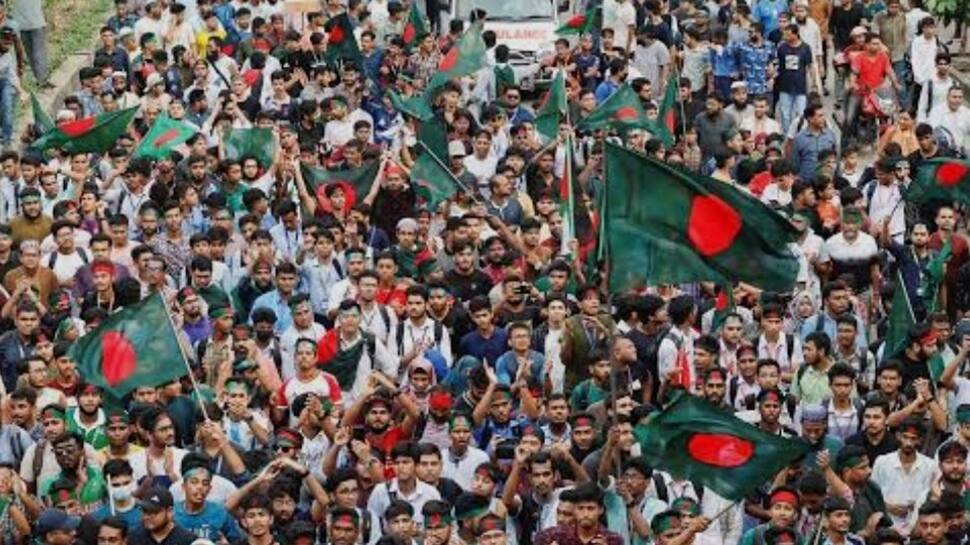
Bangladesh Unrest: The political and security situation in Bangladesh remains highly volatile, raising serious concerns over the safety of Indian diplomatic missions in the country, according to foreign policy experts and former diplomats. Former Indian Ambassador to Bangladesh Veena Sikri has pointed to growing instability following the killing of Osman Hadi, the head of the Inqilab Manch, a development that has deepened internal divisions within Bangladesh’s political landscape. She noted that while Hadi’s death initially led to accusations against India, the Bangladeshi government has since been forced to backtrack.
“Immediately after Osman Hadi was shot at, the Bangladesh Foreign Office called our High Commissioner in Dhaka, alleging Indian involvement and claiming the accused had fled to India. We protested vigorously,” Sikri said, adding, “Now, the Bangladesh government has acknowledged that India is not involved.”
She added that the situation has worsened as tensions rise between the Inqilab Manch and the Yunus-led interim regime, with the group threatening to withdraw support and even demanding resignations. “That volatility is building up in Bangladesh,” Sikri warned, highlighting the risk of further unrest.
Add Zee News as a Preferred Source
Amid this backdrop, the Bangladesh High Commission temporarily suspended visa and consular services for Indian nationals, citing security concerns. Foreign affairs expert Sushant Sareen said the move reflects a “clear and present security threat” to Indian missions within Bangladesh.
“The suspension of Indian visa services was due to security reasons,” Sareen explained. “Bangladesh police and authorities themselves admitted they could not control mobs if they turned violent. That tells you the level of risk Indian missions were facing.”
Sareen rejected comparisons with India’s response, calling Bangladesh’s actions “disingenuous.” “No Indian authority has ever said they cannot control mobs. This appears to be a tit-for-tat response, similar to tactics often seen from Pakistan,” he said.
According to Sareen, India’s concerns were legitimate and rooted in credible intelligence and ground realities. “There was genuine apprehension that Indian missions could be attacked. The suspension of services was a precautionary step, not a political gesture,” he added.
Experts agree that unless stability is restored and political tensions ease, the security situation for foreign diplomatic missions—particularly India’s—will remain fragile. With internal divisions widening and public anger mounting, Bangladesh faces a critical test in maintaining law, order, and diplomatic trust in the days ahead.

Comments are closed.