
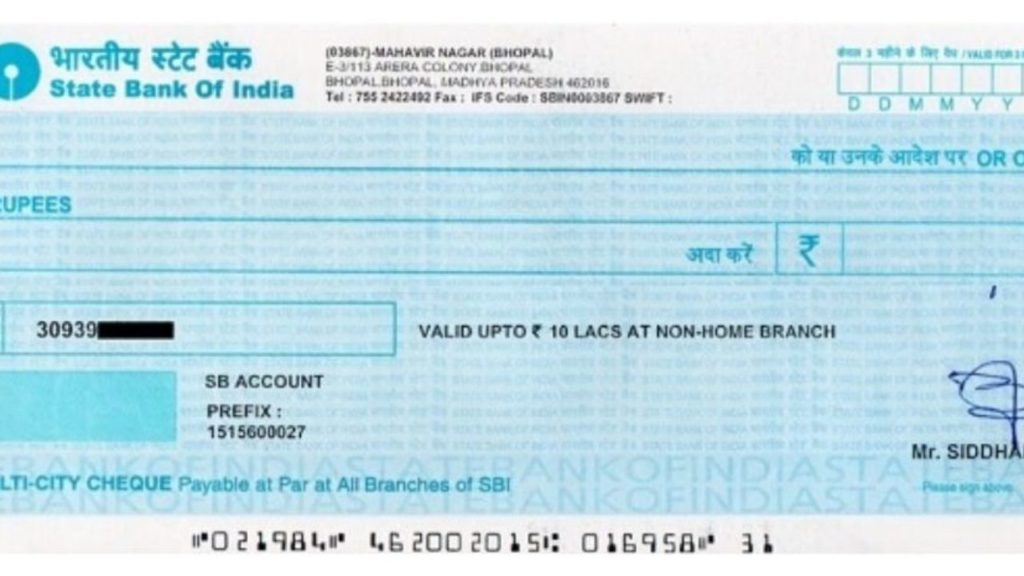

In a significant ruling, the Supreme Court has clarified that banks can be held legally liable for delays in presenting chequesreinforcing consumer rights under the Consumer Protection Act.
Delay In Presenting Cheque = Deficiency In Service
The Court ruled that if a bank fails to present a cheque within its validity period without a valid reasonit amounts to “deficiency in service” under consumer law.
This means customers can:
- File complaints under the Consumer Protection Act
- Seek compensation for losses caused due to such delays
Key Case: Canara Bank vs Kavita Chowdhary
The ruling came in the case of Canara Bank vs Kavita Chowdharywhere:
- The customer deposited two cheques worth ₹1.06 crore
- The bank failed to present them again after a temporary delay (due to a strike)
- The cheques became invalid (stale)causing financial loss
The Court held that once the reason for delay ends, the bank must act within a reasonable time to present the cheque.
Banks Act As Agents Of Customers
A key observation from the judgment:
- Banks act as agents of customers when handling cheques
- They must exercise due diligence and responsibility
Failure to do so is considered:
- Negligence
- Deficiency in service under consumer law
Compensation Reduced, But Liability Upheld
While the Supreme Court upheld the bank’s liability, it reduced the compensation:
- Earlier compensation: 10% of cheque amount
- Revised compensation: 6% of ₹1.06 crore + interest
The Court noted that the earlier amount was excessive but agreed that the customer suffered loss due to the bank’s negligence.
What About Exceptional Situations?
The Court clarified that delays may be excused under certain conditions:
- If caused by factors beyond control (eg, strikes)
- But once the situation normalizes, banks must act promptly
Failure to do so removes any legal protection.
Why This Judgment Matters
This ruling has broader implications:
- Strengthens consumer rights against banks
- Expands the scope of “deficiency in service”
- Forces banks to improve operational accountability
- Sets a precedent for similar disputes
It clearly establishes that banking services fall under consumer protection lawsand lapses will attract penalties.
Final Take
The Supreme Court’s decision sends a strong message:
Banks cannot delay critical financial processes without consequences.
For customers, this ruling provides a clear legal pathway to seek compensation when banks fail to perform their duties on time.
Comments are closed.