
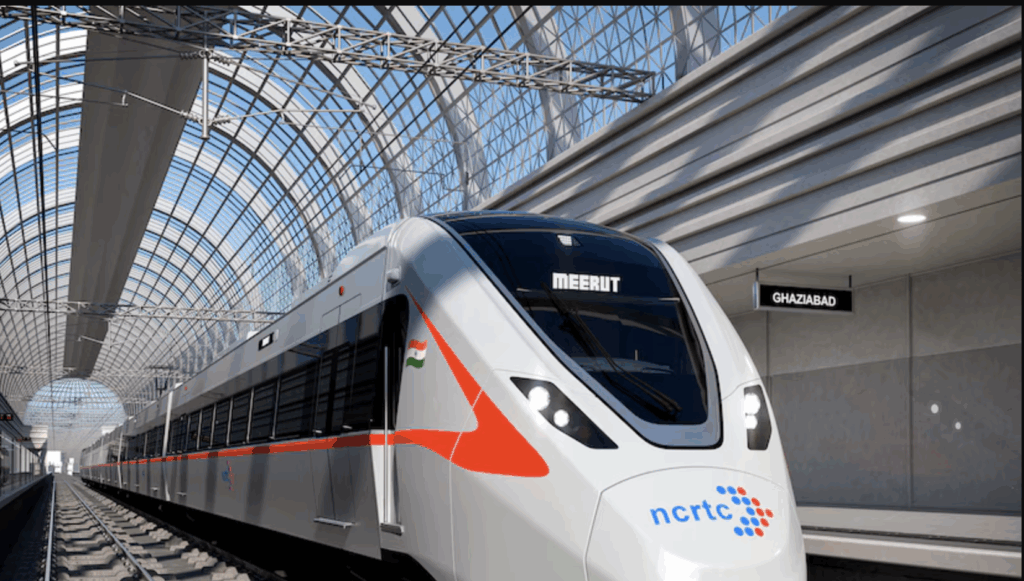

The Karnataka government has unveiled ambitious plans to introduce a Regional Rapid Transit System (RRTS) that will connect satellite towns surrounding Bengaluru. Designed to enhance regional mobility, reduce traffic congestion, and support economic growth, the RRTS project marks a major step forward in the state’s urban and suburban transport strategy.
What Is RRTS and Why It Matters
The Regional Rapid Transit System is a high-speed commuter rail network aimed at linking Bengaluru with nearby satellite towns such as Hassan, Chickballapur, Mandya, and Tumakuru. Unlike conventional suburban trains, RRTS services are faster, more frequent, and designed for longer distances, making them ideal for daily commuters, students, and business travellers.
The project reflects a broader push to transform mobility in and around India’s tech capital, where population growth and urban sprawl have placed heavy demand on existing transport infrastructure.
Key Goals of the RRTS Network
The RRTS project has several core objectives:
- Reduce Road Congestion: Faster rail options between satellite towns and Bengaluru will encourage commuters to shift from private vehicles to public transport, easing pressure on highways and urban roads.
- Cut Travel Time: With dedicated tracks and fewer stops, RRTS systems can cover long distances quickly, transforming long daily commutes into manageable journeys.
- Support Economic Growth: Improved connectivity boosts business activity, enhances labour mobility, and attracts investment in adjoining regions.
- Environmental Benefits: Moving commuters from cars to electric rail reduces pollution and contributes to cleaner, more sustainable urban environments.
Planned Routes and Reach
The proposed RRTS corridors will connect key regional hubs to Bengaluru, tapping into growth centres that have traditionally lacked fast, reliable transport links. Enhanced connectivity is expected not only to serve existing commuters but also to drive future urban development patterns in the Bengaluru metropolitan area.
By linking outlying towns to the city efficiently, the system aims to foster balanced regional development and reduce migration pressures on Bengaluru’s core.
Impact on Daily Commuters
For residents of satellite towns, the RRTS will change daily travel for the better. Workers who currently spend hours on the road can expect quicker and more predictable journeys. Students and professionals will gain easier access to the city’s educational and employment hubs without facing traffic bottlenecks or long drives.
Implementation and Timeline
The Karnataka government is working on detailed plans, feasibility studies, and funding structures for the RRTS. Building such an extensive system involves coordination among state and central agencies, land acquisition, and infrastructure development, but the initiative has been made a priority due to its far-reaching benefits.
Conclusion
Karnataka’s proposal for a Regional Rapid Transit System linking Bengaluru with satellite towns represents a transformative vision for regional connectivity. By offering faster, cleaner, and more reliable travel options, the RRTS is poised to reshape the way people move, work, and live in one of India’s fastest-growing regions.

Comments are closed.