

Highlights
- Best Mid-range phones under ₹30,000 now offer 120Hz AMOLED displays, fast chipsets, large batteries, and AI-powered cameras.
- Realme, Redmi, iQOO, and Motorola dominate 2025 with unique strengths in design, performance, hardware value, and software purity.
- AI features like offline translation, smart galleries, and advanced photography now shape the mid-range user experience.
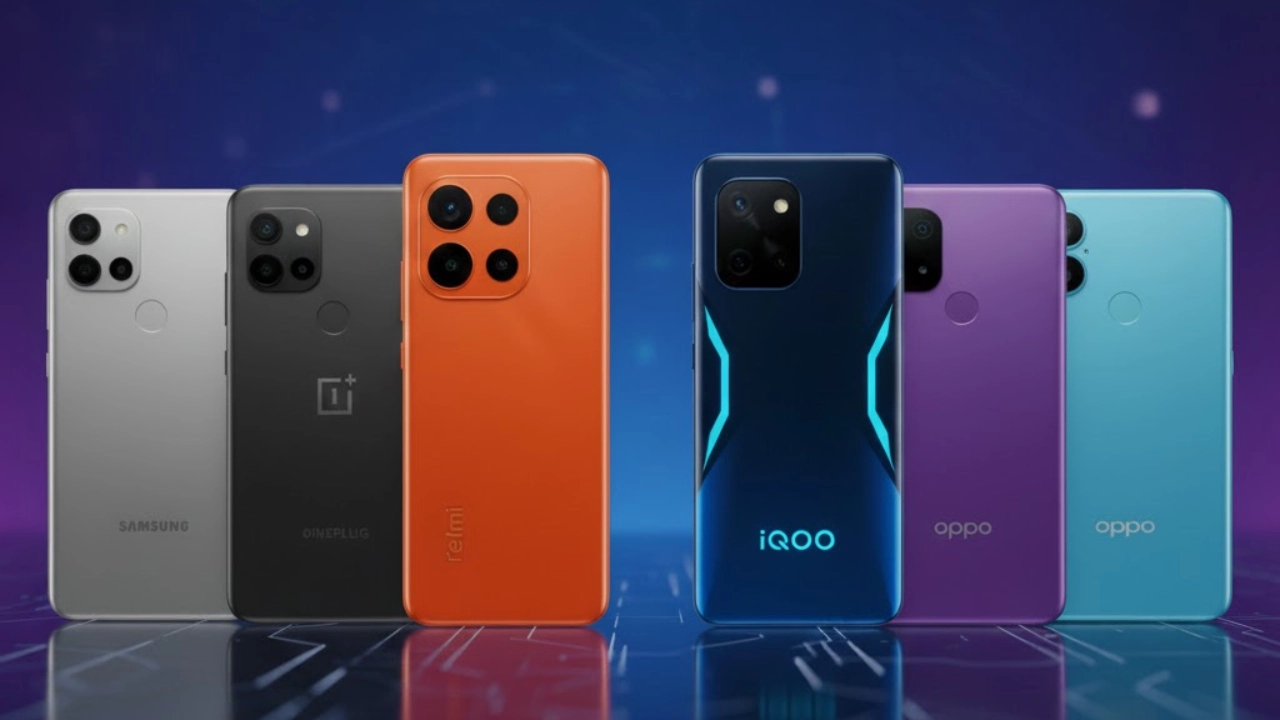
- Realme leads design, Redmi leads photography, iQOO leads performance, and Motorola leads software reliability.
The sub-₹30,000 kärabangan smartphone category has become the fiercest battleground in India. Where flagship phones once ruled innovation, today the most exciting features, 120Hz AMOLED panels, flagship-grade chipsets, 100W charging, and AI-powered cameras are arriving in mid-range phones faster than ever. The Indian consumer now expects more than performance; they want balanced cameras, reliable battery life, clean software, and long-term updates, all without crossing the ₹30,000 threshold.
In 2025, four brands dominate this segment with powerful, aggressively priced devices: Realme, Redmi, iQOO, and Motorola. Each brand has crafted a unique identity. Realme chases design and speed, Redmi focuses on raw hardware value, iQOO prioritizes performance and gaming, and Motorola elevates the software experience. The question is no longer which phone is cheapest, but which delivers the best real-world value.
Let’s break down the strengths of each approach and understand which phones truly stand tall in this ultra-competitive bracket.
Realme: The Design-Driven All-Rounder That Loves Speed
Realme continues to refine its mid-range strategy with a potent blend of aesthetics and fast performance. Whether it is the Realme 12 Pro series or the later Realme 13 lineup, the company leans heavily into premium design cues, vegan leather finishes, curved displays, slim profiles, and combines them with feature-rich hardware. Realme’s biggest strength is consistency.
Nearly every Realme smartphone under ₹30,000 offers a 120Hz AMOLED display, a powerful Snapdragon or Dimensity chipset, and fast charging that embarrasses many premium phones. Charging speeds varying from about 65W to 100W have become standard. This means that even heavy users can be assured they will not have to wait long at an outlet.
The camera experience’s primary target is social media users. Realme adjusts its sensor to take super-bright, contrasty photos with vivid colors. The studio modes are refined, night photography has been improved to the level of a day shot, and AI-powered scene detection makes the camera feel reachable even for non-enthusiasts.
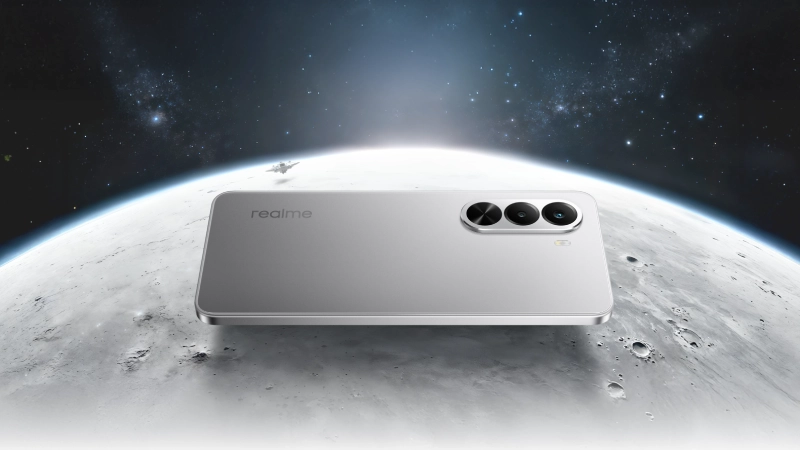
Realme also allocates a large part of its budget for periscope lenses in this price range, which adds a level of zoom that the competition often cannot match. However, Realme UI is still a matter of controversy among users. The design is pleasing and smooth; however, several pre-installed apps and occasional ads appear in system components.
The company is gradually improving its update promises. However, the overall quality of the software remains an area where Realme is still trying to catch up in the long run. Nevertheless, Realme is often the first brand to introduce premium features to the mid-range, thus making the customers feel they are getting a flagship device at a much lower cost.
Redmi: The Value Champion That Keeps Breaking Price-Performance Barriers
In 2025, Redmi is still the primary winner in the value engineering field. The Xiaomi sub-brand is still providing hardware that is far better for the price, and the Redmi Note Pro series has become the standard for Indian buyers in the 20,000-30,000 INR range. The Redmi formula is simple but effective: top-of-the-line chipsets, large batteries, bright AMOLED displays, and a focus on AI-assisted photography.
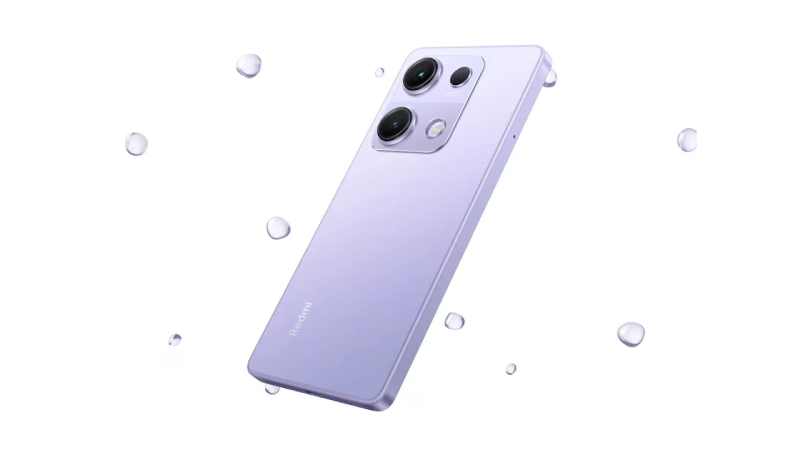
The brand’s thermal management systems have improved to the point that heavy gaming is even possible on mid-range Redmi devices without users feeling any heat.In photography, Redmi continues to dominate the market.
Currently, its smartphones usually come equipped with huge sensors, such as 1/1.5″ or 1/1.56″, which are the reason for their top-notch dynamic range and low-light performance. The Computational Photography pipelines of Xiaomi their high-end phone-like—make the image sharp and the color very accurate. Customers who are very particular about photography in the ₹25,000–₹30,000 segment mostly choose Redmi because the tuning looks pretty close to that of premium devices. Redmi’s software is the weak point.
HyperOS is not as heavy as MIUI, yet it pre-installs some services and recommendations that some users find intrusive. But, on the other hand, Xiaomi compensates for this with the unbeatable hardware value and very competitive pricing. For students, young professionals, and budget-conscious buyers who measure performance per rupee, Redmi still holds the unbeatable position.
iQOO: The Performance and Gaming Specialist
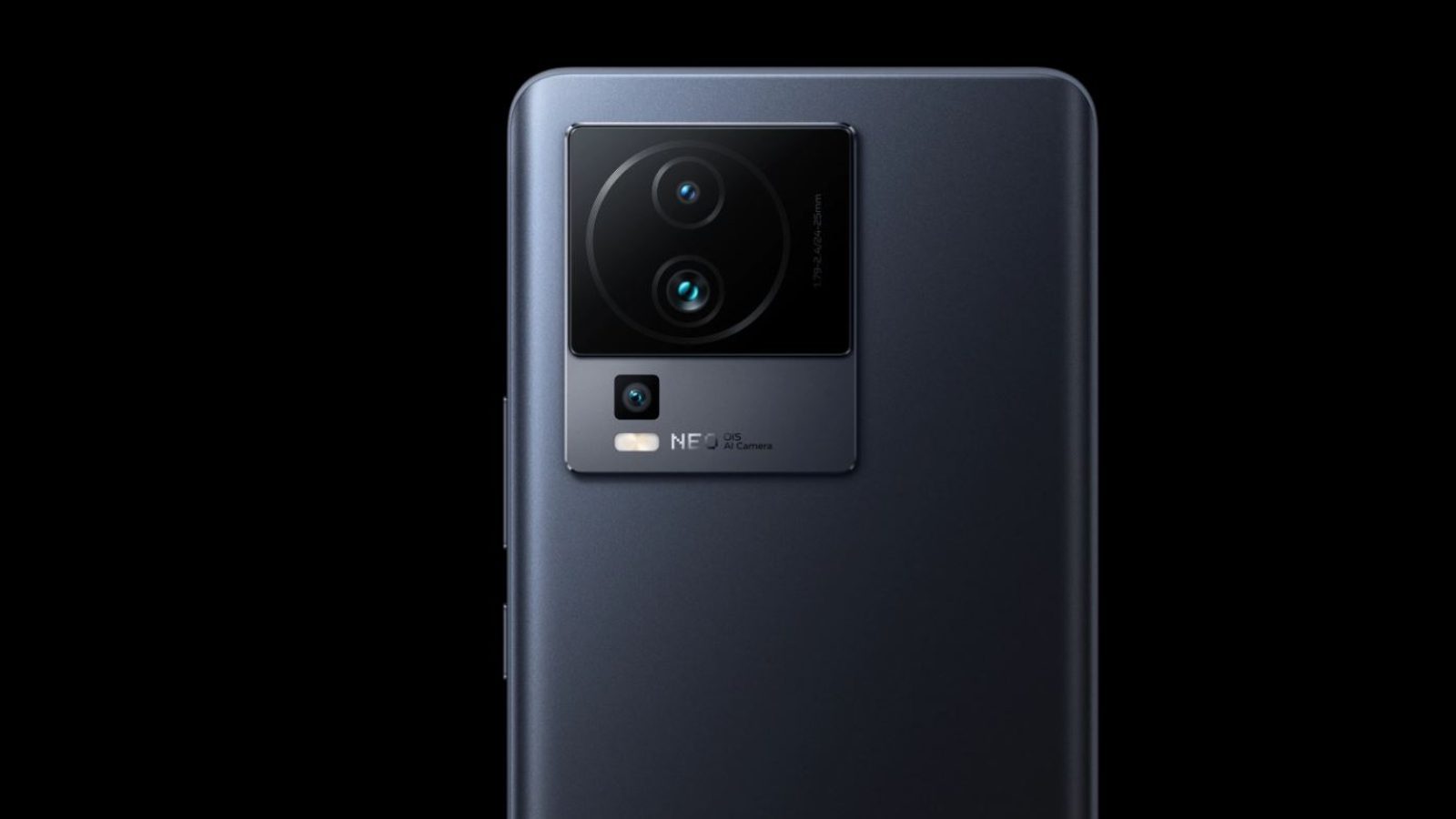
Over the last few years, iQOO has been the performance brand in the ₹ 30,000-and-under category, and in 2025, it will be even more so. The iQOO Neo series still features top-notch chipsets like Snapdragon 8+ Gen 1, 8 Gen 3 Lite, or Dimensity 8300, in conjunction with optimized cooling systems that let the game run smoothly and stay cool during long sessions.
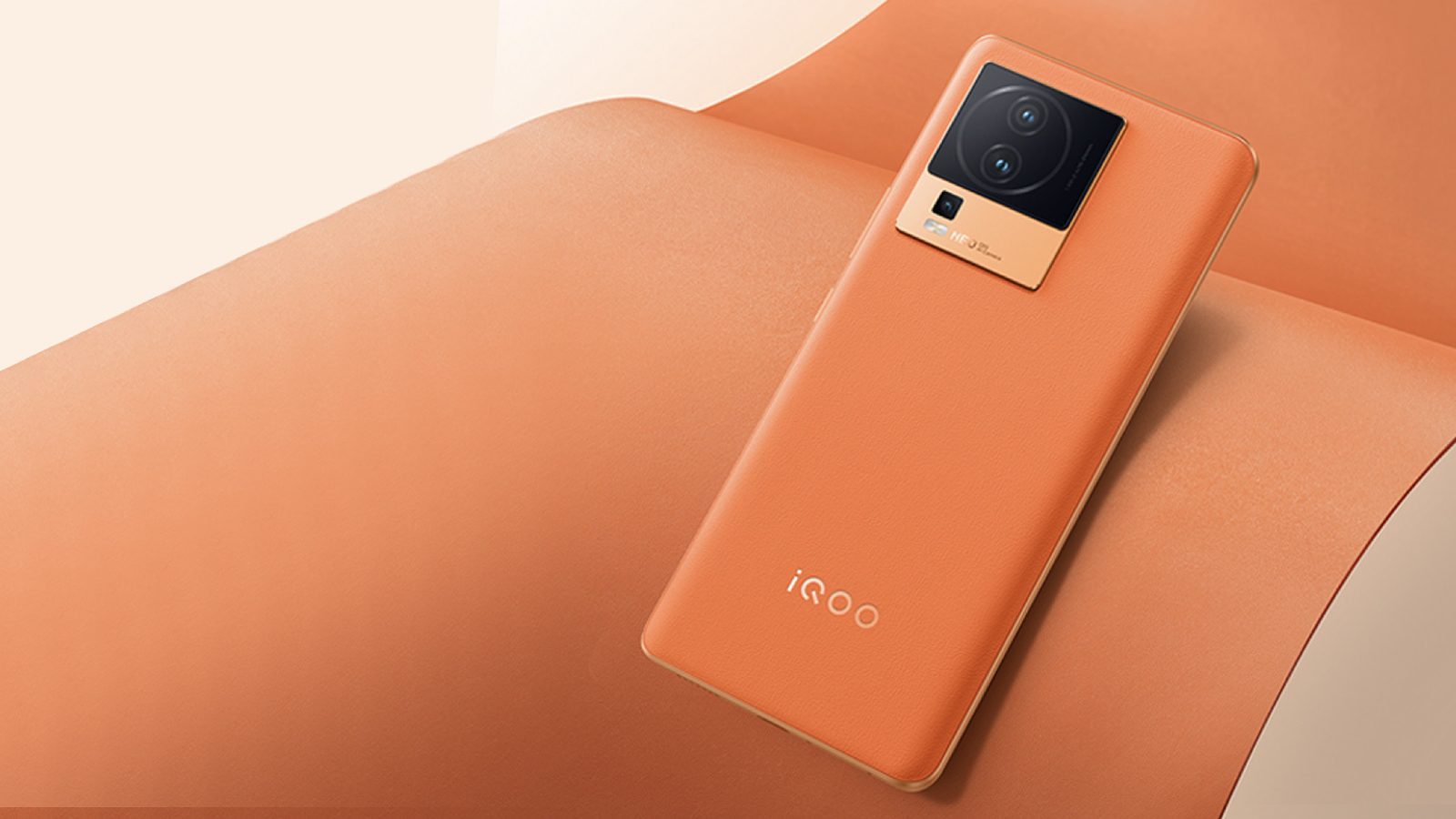
The main reason for iQOO’s greatness is its attention to tactility. The touch sampling rates are higher than those of many flagship phones, the animations are incredibly fluid, and FunTouch OS (especially the sleeker 2025 version) is very light and consistent. Gamers are seeing and feeling the stability, while casual users are recognizing the difference in their routine of switching between applications or demanding ones. However, battery life is still very reliable thanks to the large cells and power-efficient chipsets. Power charging, which is typically at least 80W or more, keeps downtime to a minimum.
The image sensor arrangement is satisfactory, with iQOO improving color and low-light performance, but the company does not place as much emphasis on the camera as Realme or Redmi. Instead, it finds a middle ground, ensuring the camera is of good quality while the majority of the engineering staff’s efforts are devoted to power and temperature control.
The drawback remains the software experience. FunTouch OS, although better, lacks the sophistication of Motorola’s near-stock interface or the unified feel of Pixel UI. However, this is a compromise that performance enthusiasts usually accept, since no other brand offers such sustained performance under ₹30,000. To put it simply, if performance gaming, multitasking, and heavy applications are the main factors, then iQOO is the only one that can claim that it is the best.
Motorola: The Clean Software King With Growing Hardware Strength
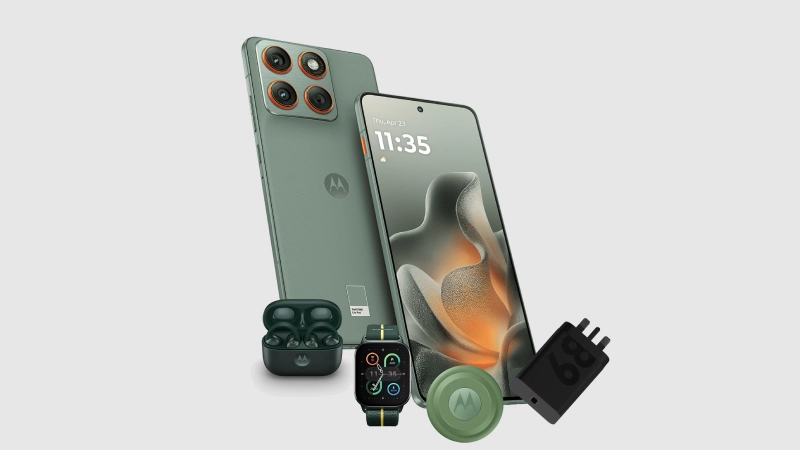
Motorola has transformed from the “budget underdog” it used to be. In 2025, through the Edge Neo and Moto Fusion series, Motorola has established its position as the only brand in the mainstream segment left that provides a clean, ad-free Android experience with long-term stability. By far the greatest draw of Motorola phones is the software purity.
There are no ads, no bloatware, and no aggressive app management. Updates come on time, animations are smooth, and the interface feels coherent. Gesture navigation, Moto Actions, and the subtle Material You-inspired aesthetics make Motorola devices feel refined and professional. The hardware has caught up, too. The mid-range phones from Motorola now come with optical image stabilization (OIS)-backed 50–64 MP sensors, bright AMOLED displays, and well-matched Snapdragon chipsets.
The cameras produce natural-looking colors that do not resemble Realme’s vivid but brighter or Redmi’s contrast-heavy tuning. The issue of battery life is not a concern, as Motorola’s power-efficient software, together with large cell sizes, has no impact on it.
Charging speeds, although sometimes not at par with the 100W competition, are still more than sufficient for everyday use. Motorola targets consumers who seek a straightforward handset: neat software, good battery life, accurate photography, and always reliable performance. The manufacturer’s focus is on reliability instead of trendiness. The only downside is that the company sometimes sacrifices cutting-edge features to keep its software stable. Those who want as much power as possible might find models from iQOO or Redmi more attractive.
But for users who prioritize smoothness, security, and long-term usability, Motorola offers outstanding everyday reliability.
Artificial Intelligence Features: The New Mid-Range Battleground
The technology of artificial intelligence is no longer restricted only to the high-end models. By 2025, A.I. tools will play a large part in the mid-range experience. Realme presents its AI camera features and smart galleries as the main selling points of its products. Redmi uses the Xiaomi AI models for various purposes, such as audio transcription, better photography, and text summarization.iQOO employs AI for better gaming, frame interpolation, and temperature management.
Motorola goes with AI for text creation, voice typing, and Google services’ contextual suggestions. The most important turn of events is that AI processing happens on the device itself, a reality made possible by mid-range chipsets with powerful NPUs capable of handling generative tasks. Even handsets priced around ₹22,000 can now support features like offline translation, AI wallpapers, voice commands, and object removal from pictures, without relying on cloud resources. Such a scenario has altered the users’ perception: AI is no longer an added premium feature but a basic necessity.
Cameras: How the Mid-Range Is Catching Up to Flagships
Now, in this price range, camera performance is extremely impressive to say the least. The versatility of the Realme brand is fantastic, with periscope lenses even on phones below ₹30,000, so zoom photography will be a significant selling point.
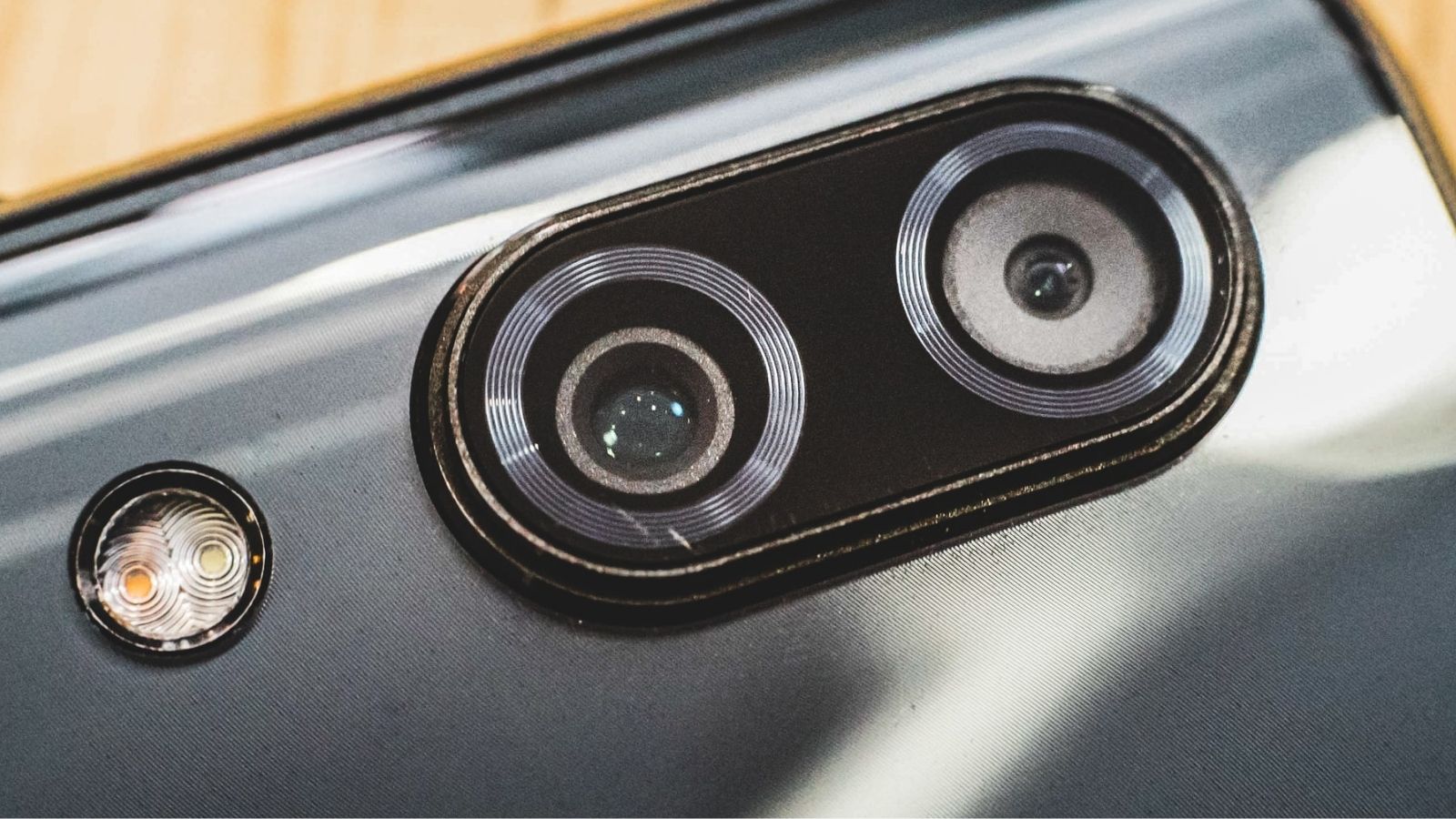
With large sensors and strong computational photography, one of the main features of the Xiaomi flagship series, the Redmi, delivers the best primary image quality. iQOO has high-speed shutters and produces nice, stable daytime shots, but is still more performance-oriented than photography-driven.
Motorola provides the most realistic color reproduction and very consistent HDR. Thus, its cameras are best suited to those who do not like over-processed pictures. The differences in technology between these companies are now more pronounced in aesthetics than in capabilities.
The four brands can all produce excellent-quality daylight photos, reasonable-quality night shots, and stable-quality video. Advancements in AI-driven image processing have brought mid-range photography closer to flagship-level performance than ever before.
Battery Life and Charging: A Mid-Range Triumph
The sub-₹30,000 category is unquestionably superior to the flagship ones in one aspect: charging speed.
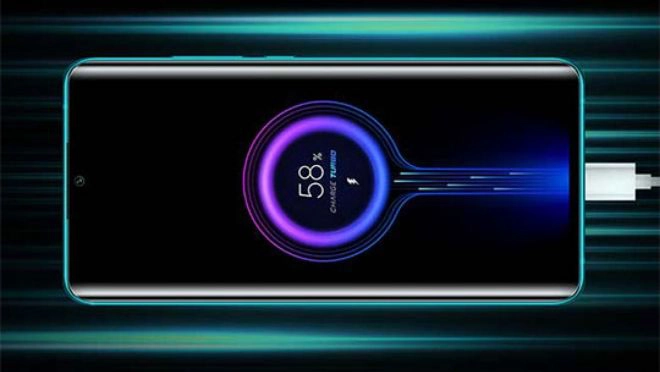
Realme and iQOO are leaders with charging systems ranging from 80W to 120W that can charge phones in under 30 minutes.
The third place goes to Redmi, which also has a strong battery life and efficient software optimizations.
Motorola, although more careful, can still deliver good, clean-software battery life and large-cell, reliable battery life. Most phones in this price range can easily last a full day, and some, with moderate use, can even last a day and a half.
So, which phone gives the most value for money in 2025?
Users’ preferences shape the decision, and there is no clear winner.
Realme is the king for those who appreciate premium design, want their phone to charge quickly, and want flexibility in their photos.
For those who seek the most hardware value and still get good photography, Redmi is the dominator. iQOO is the best for gamers and performance-first buyers.
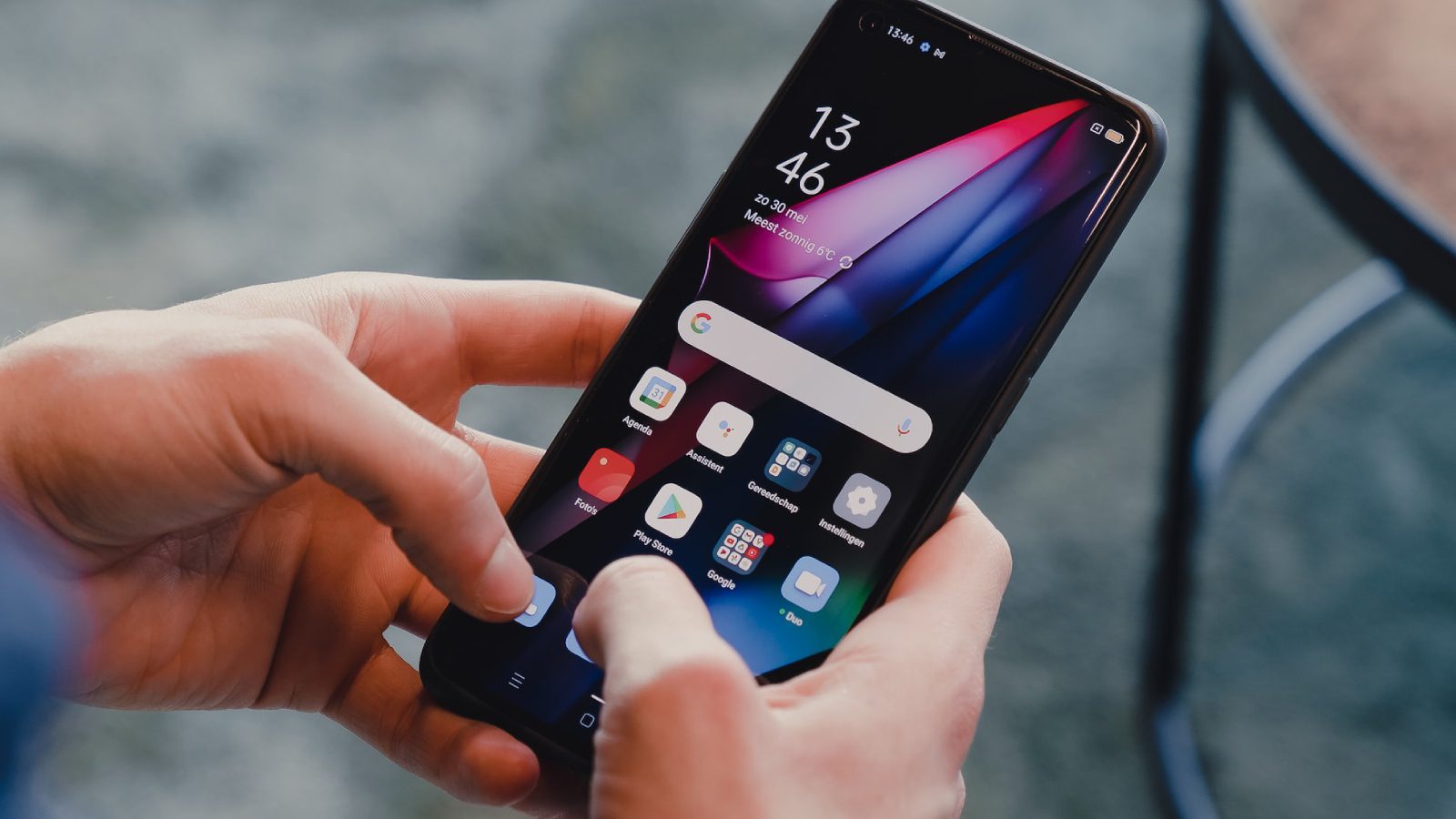
Motorola caters to clean software, reliability, and maturity in user experience. Sheer numbers do not determine the best smartphone in the mid-price range under ₹30,000 in 2025; it is the one that resonates with your lifestyle.
No matter if you are the one who chases speed, battery longevity, camera quality, or software purity, there is a personalized choice waiting for you in this highly competitive segment.

Comments are closed.