

- Beware!
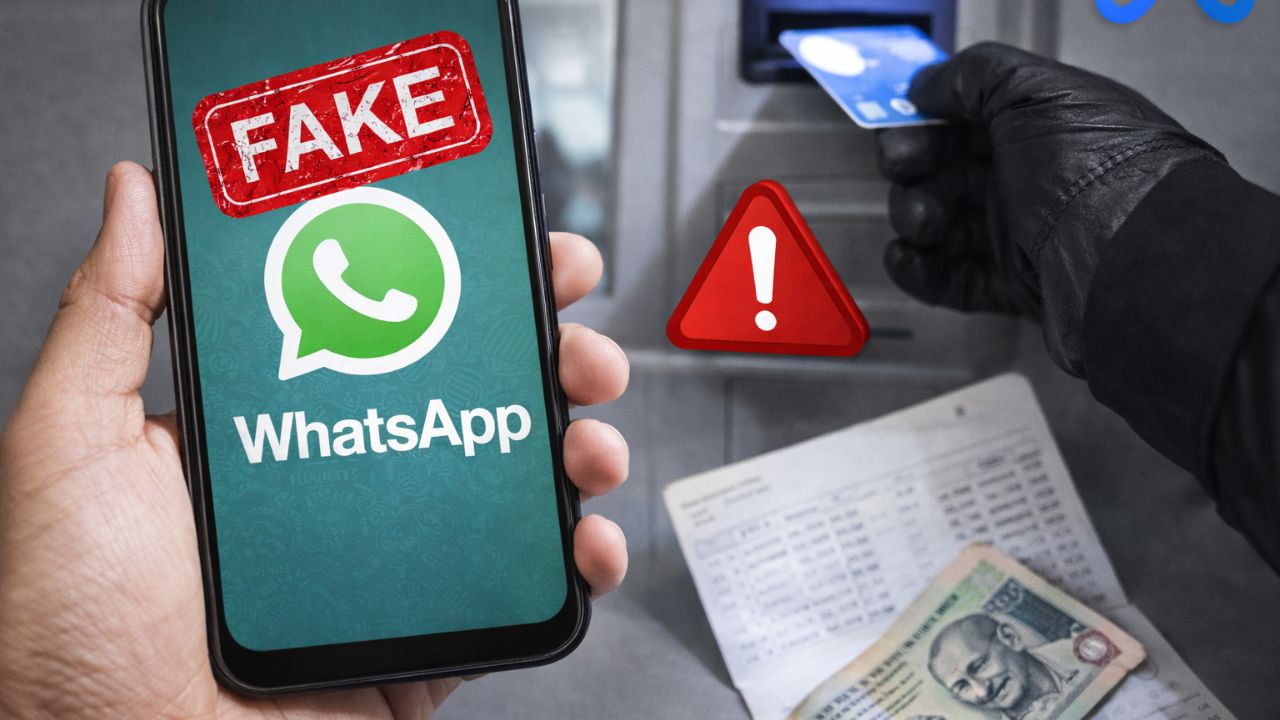
- Fake WhatsApp can empty your bank account
- Meta’s strong warning to users
Loved by millions of people worldwide WhatsApp An alarm bell has sounded for users. The parent company of WhatsApp By ‘Meta’ (Meta) Users are warned about fake WhatsApp apps. It has come to light that through these fake apps, hackers are stealing the private information of the users and directly attacking the bank account.
New ‘Fraud Protection Tool’ Launched
Meta has recently rolled out a new ‘Scam & Fraud Protection Tool’ to protect users. This tool activates the warning system immediately when your WhatsApp account is logged into any other new device. While informing about this facility, the company has appealed to beware of fake WhatsApp versions.
Italy’s ‘Asigint’ company’s fake app on the radar
In its official statement, Meta said that a company called ‘Asigint’ in Italy has created a fake version of WhatsApp. So far more than 200 Android and iPhone users have been targeted through this app. Cybercriminals are using ‘social engineering’ to trap people.
Just a few minutes of play! Why 12000 Indians lost their jobs due to Oracle’s autonomous database?
Dangers of Fake WhatsApp:
- Remote Access: Hackers can gain remote access to your phone through this app.
- Banking Fraud: The banking apps and OTP in your phone can be stolen once the phone is in possession.
- Private Chats: There is a fear of your private communications and photos falling into the hands of hackers.
From where to download WhatsApp?
Meta has clarified that its official WhatsApp is completely secure and has no bugs. However, for safety, the following must be observed:
1. Official Store: Always download WhatsApp from Google Play Store (for Android) or Apple App Store (for iPhone).
2. Play Protect: Android users should always keep ‘Play Protect’ feature enabled in their phones.
3. Avoid Third Party Stores: Although Apple allows third-party marketplaces due to regulations in the European Union, you should avoid getting apps from unfamiliar platforms.
Beware of suspicious links
Links are often sent in the name of updating WhatsApp or with names like ‘Pink WhatsApp’, ‘WhatsApp Gold’. Do not click on any such unknown links. These may contain dangerous ‘malware’ or ‘viruses’, which work to steal data from your phone.
Beware! Booking a holiday online? Fraud under the name of travel agent, Mumbai on cyber cell alert mode

Comments are closed.