
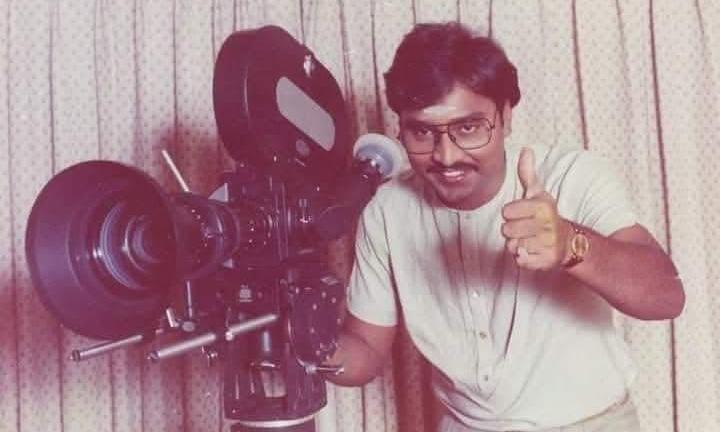

For decades, Tamil cinema treated comedy as a separate department. The hero had his journey, the heroine had her track, and a comedian entered the film to deliver laughs before disappearing from the main narrative.
And then K Bhagyaraj entered the scene, and changed that grammar.
He did not bring comedy into his films as a separate track. He built it into the story itself through characters, conflicts and everyday situations. The humour came from insecurities, mistakes, lies, desperation and ordinary struggles.
Also read: Four films, four genres: How K Bhagyaraj created cinema history in 1981
That approach made him the ‘King of Screenplays’. Bhagyaraj’s greatest contribution was making audiences laugh at situations they recognised from their own lives.
Breaking the perfect hero image
Before Bhagyaraj, mainstream cinema largely celebrated the macho hero who were physically strong, morally flawless and always in control. Bhagyaraj broke away from that template.
His heroes were often financially struggling, socially awkward or emotionally vulnerable. They were ordinary men dealing with ordinary problems.
In Andha 7 Naatkalhe played Palakkad Madhavan, an innocent aspiring music director. The character’s vulnerability, innocence and emotional confusion became the foundation of the story.
Bhagyaraj understood that a hero’s weakness could become the biggest source of comedy. The audience did not laugh because the hero was making jokes. They laughed because they saw themselves in his embarrassing situations, failed attempts and emotional struggles.
This character design later became the blueprint for modern relatable comedy, where flawed protagonists drive the humour.
Comedy from situations, not punchlines
Bhagyaraj’s writing was built around situational irony.
His characters often created their own problems through lies, misunderstandings or desperate attempts to impress others. The audience knew the truth, but the people around the protagonist did not. The gap between reality and appearance created the comedy.
Also read: Veteran Tamil filmmaker-actor K Bhagyaraj dies at 73
His humour came from real-life situations. That is why his comedy continues to work. It was not dependent on one-liners; it came from human behaviour. Bhagyaraj did not make audiences laugh at the character, rather he made them emotionally invest in his struggle.
The power of underplayed comedy
At a time when comedy was often associated with loud performances and exaggerated expressions, Bhagyaraj introduced a quieter style. He understood the power of reactions.
In Oru Kai Osaiwhere he played a mute character, the humour came from his silence, expressions and the absurd situations around him. This understated style later influenced modern dark comedy, where characters maintain seriousness even while facing absurd circumstances.
Supporting characters as part of the story
Another major change Bhagyaraj brought was how he used supporting characters. Commercial cinema often had separate comedy tracks where comedians performed scenes unrelated to the main story.
Bhagyaraj changed that. His supporting characters had their own personalities, habits and eccentricities. They were not inserted only for laughs; they affected the plot and created conflicts.
The ‘Raghu Thatha’ comedy
One of the finest examples of Bhagyaraj’s writing is the Hindi tuition sequence from Indru Poi Naalai Vaa.
The film follows three friends trying to impress the same girl. One character joins her family’s Hindi tuition class to get closer to them.
The comedy comes from an older man trying to read Hindi without understanding the language.
Also read: Semmalar Annam on how Mayilaa, her Tamil film, depicts the travails of a rural woman
The famous line – ‘A farmer in a village…Raghu Thata!’ – became a cultural reference for language struggles and forced learning.
The humour was not created by a comedian delivering a joke. It came from a character’s genuine attempt to solve a problem and the absurdity that followed.
Making serious emotions funny
Another reason Bhagyaraj stood apart was his ability to use humour while handling serious subjects. He could explore poverty, marital problems, family pressure and social expectations without losing emotional depth.
In Suvarilladha Chiththirangalthe story deals with poverty and hardship. Instead of presenting the struggles only through tragedy, Bhagyaraj found humour in a family’s desperate attempts to hide their situation.
The audience laughed, but they also felt the pain behind the laughter.
Turning ordinary things into comedy
Bhagyaraj had a unique ability to transform everyday objects into memorable comedy.
Also read: Rajini’s woe: ‘It becomes a problem if I open my mouth or keep it shut’
The famous mungakkai (drumstick) sequence in Mundhanai Mudichu became iconic because he turned a simple household item into a clever metaphor. He created comedy through suggestion, timing and character reactions, proving that even the most ordinary things could become funny when placed in the right situation.
His influence on modern cinema
Much of today’s Tamil situational comedy carries traces of Bhagyaraj’s writing style. The idea that comedy should come from characters rather than a separate comedian has become a major storytelling approach in modern cinema.
His influence can be seen in filmmakers who focus on flawed characters, awkward situations and conversational humour.
Why he’s still ‘King of Screenplays’
Bhagyaraj’s legacy is not just about his films or successes. It is about a writing philosophy. He proved that ordinary people could become extraordinary characters. He showed that comedy could emerge from embarrassment, insecurity and human mistakes.
He transformed middle-class lives into cinematic stories. His comedy was never an interruption in the narrative. The story itself was the comedy, even if it was a serious subject.

Comments are closed.