
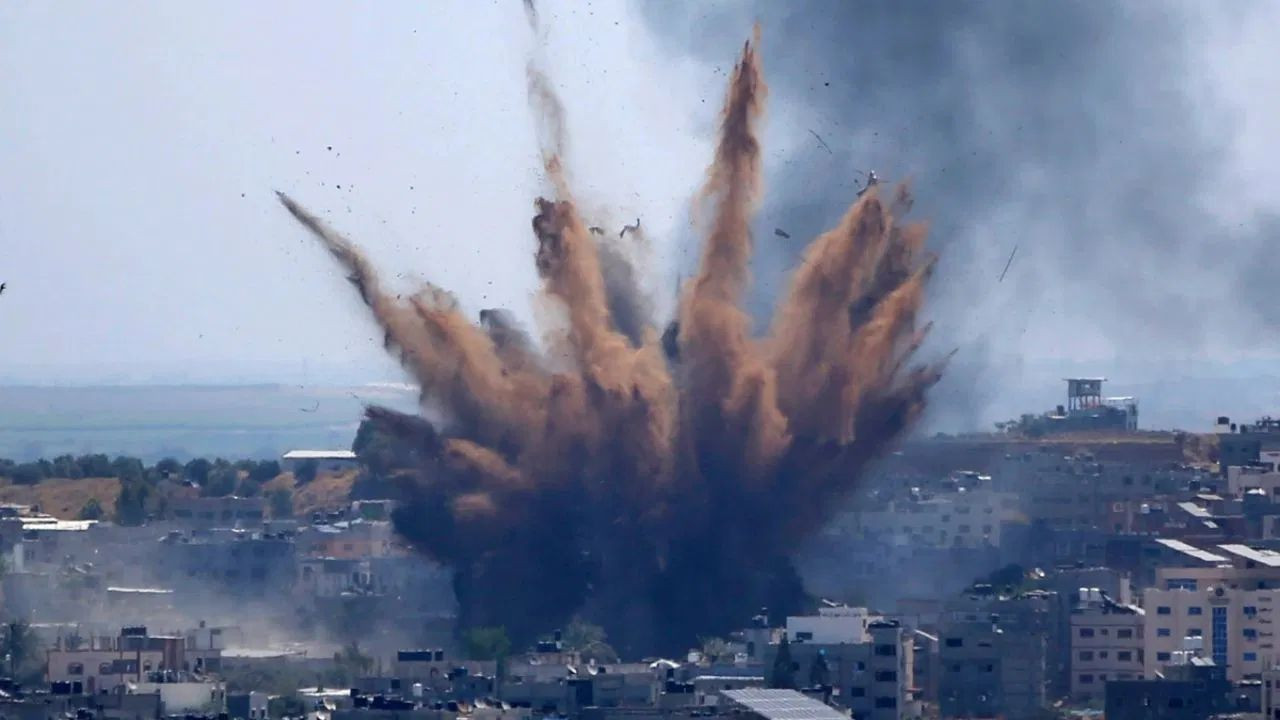

There is increasing concern at the global level about handling the economic situation of the Middle East countries affected by the Iran-America conflict. In this series, finance ministers of 11 countries including Britain and Japan have united and demanded immediate help from international institutions. In a joint statement issued on Wednesday, April 15, these countries appealed to the World Bank and the International Monetary Fund (IMF) to provide “coordinated emergency assistance” to the affected countries. The objective of this assistance is to ensure that countries in need are provided with financial resources and flexible economic instruments tailored to their circumstances.
Ministers’ warning
The ministers also warned in their statement that if tensions between Iran and America increase again, or the scope of the conflict expands further, it will have an impact not only regionally but globally. Especially any kind of blockage in the Strait of Hormuz can become a major threat to global energy supply, supply chains and economic stability. This route is one of the most important oil transportation routes in the world, so instability here has a direct impact on international markets.
Meanwhile, worrying figures have also emerged regarding the losses incurred in the energy sector. According to energy research company Rystad Energy, this conflict could lead to huge costs in repairing energy-related infrastructure in the Middle East. It is estimated that this cost could reach $58 billion, of which about $50 billion will be spent only on the restoration of oil and gas facilities. This figure is much higher than the earlier estimate of $25 billion, which shows the seriousness of the loss.
What do experts think?
Experts believe that this expenditure will be limited to repairs only and no new production capacity will be created. According to Karan Satwani, senior analyst at Rystad Energy, diverting existing resources to repairs could lead to delays and cost overruns in other projects, which would impact the global energy market. Additionally, the refining and petrochemical sectors have suffered the most because these structures are complex and require more time and money to rebuild.
According to the report, total repair costs could average around $46 billion, while restoration of power, industrial and water desalination projects is estimated to cost an additional $3 to $8 billion. Overall, this crisis is becoming a big challenge not only for the regional but also for the global economy.

Comments are closed.