
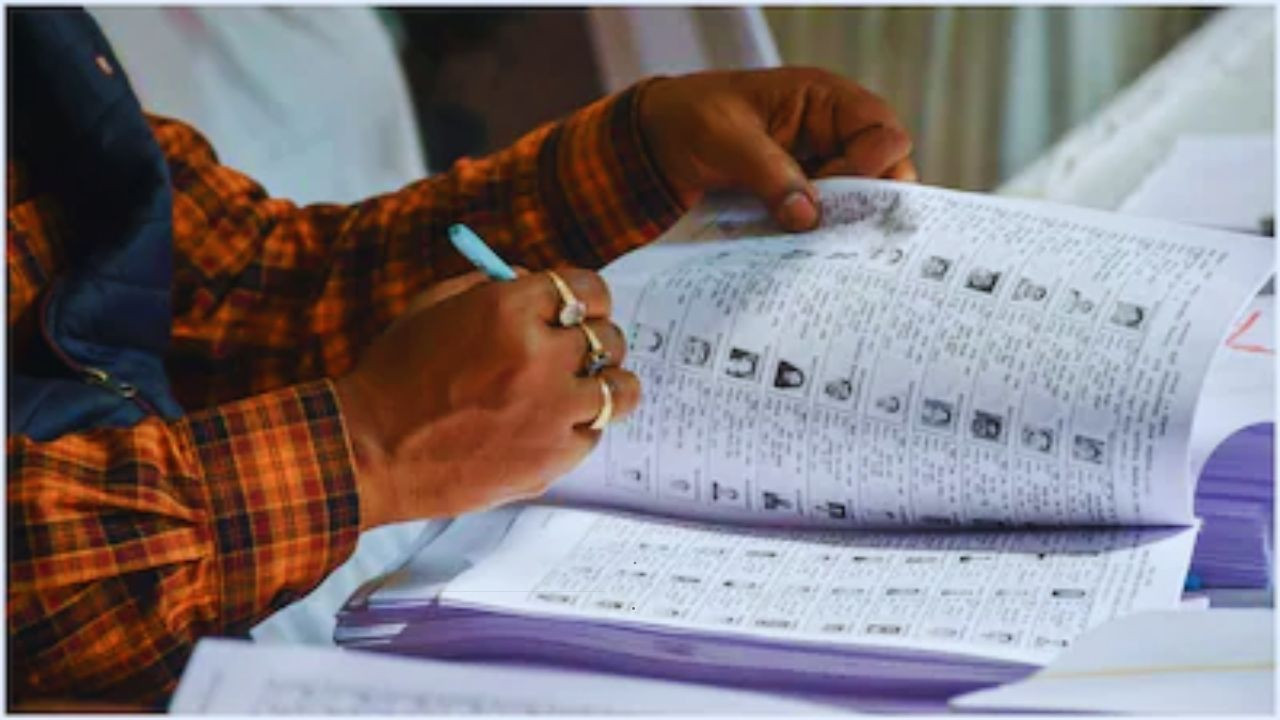
Big impact of UP SIR in Muslim dominated districts: Lakhs of names deleted from voter list, figures will surprise you

A huge decline has been recorded in the voter list in many Muslim-dominated assembly seats of Uttar Pradesh. When comparing the final voter list of April 10, 2026 with the pre-SIR list of October 27, 2025, the number of voters in these seats has decreased more than the average. Especially in the districts of Western Uttar Pradesh and Rohilkhand, this decline has reached 15 to 29 percent, which is much higher than the normal decline. Overall, the average decline in the entire state was 13.24 percent, but this figure is significantly higher in seats with Muslim influence.
Most falling seats
In Lucknow Central, the maximum number of voters has decreased by 28.88 percent. After this, a decline of 27.79 percent was recorded in Meerut Cantt, 25.95 percent in Bareilly Cantt, 25.80 percent in Arya Nagar Kanpur, 25.10 percent in Bareilly and 24.32 percent in Shahjahanpur. Voters have decreased by 23.19 percent in Meerut South, 21.81 percent in Aligarh, 21.87 percent in Bahraich, 18.73 percent in Moradabad Rural, 18.86 percent in Chandausi, 18.54 percent in Rampur and 18.10 percent in Badaun. A decrease of 18.60 percent was seen in Lucknow West and 15.99 percent in Saharanpur Nagar. In Muzaffarnagar also there has been a decrease of 16.10 percent voters.
Huge shortage on Sambhal, Swar and other seats
There has been a decrease of 2,27,255 voters (14.47 percent) in Sambhal. Voters have decreased by 29,270 in Swar, 19,146 in Kundarki and 1,22,263 in Amroha. There has been a decrease of 61,496 voters in Khalilabad, 30,692 voters in Tanda and 50,558 voters in Sisamau. 35,880 voters in Pilibhit, 1,06,061 in Shahjahanpur, 29,678 in Nagina and 27,319 in Asmoli are missing from the list. 46,072 less voters have been registered in Gangoh, 1,18,280 in Meerut South, 22,574 in Nauganwa Sadat, 24,541 in Kairana and 24,181 voters in Thakurdwara.
Higher decline in Muslim-majority areas
All these seats fall in areas where the Muslim population is much higher than the state average. In many areas of Western Uttar Pradesh and Rohilkhand, the number of Muslim voters reaches 30 to 50 percent. Muslim voters have been playing an important role in influencing the election results for a long time in these seats.

Comments are closed.