
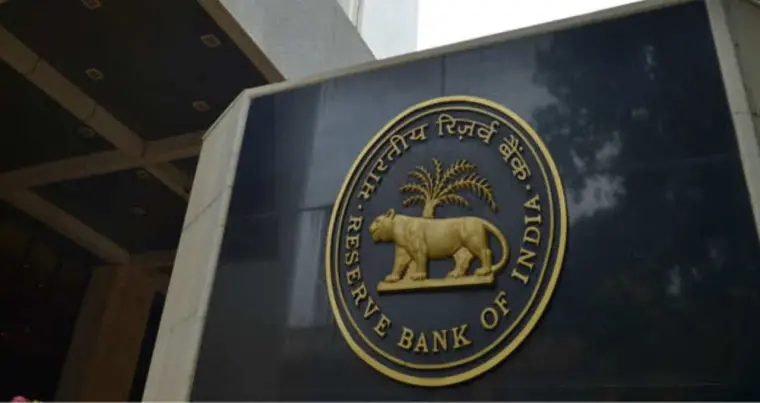

Reserve Bank of India (RBI) Deputy Governor Swaminathan J has asked internal ombudsmen of banks, non-banking financial companies (NBFCs) and other regulated entities to ensure fair, effective and timely resolution of customer complaints.
Business News: The Reserve Bank of India (RBI) has issued major instructions regarding fast and effective resolution of customer complaints. RBI Deputy Governor Swaminathan J has directed the internal ombudsmen of banks, non-banking financial companies (NBFCs) and other regulated financial institutions to further strengthen the grievance redressal mechanism.
He said that internal ombudsmen of financial institutions should not be limited to merely redressing complaints, but should identify recurring problems and analyze their root causes. Based on this, institutions need to take permanent corrective steps. The RBI Deputy Governor said this while addressing the third annual conference of internal ombudsmen organized by the central bank. Representatives of major financial institutions of the country participated in this conference.
Emphasis on fairness and quality in complaint resolution
Swaminathan J said that resolution of customer complaints should not be merely a formal process, but should be done in a fair, transparent and effective manner. Describing the role of internal ombudsmen as very important, he said that they play an important role in increasing trust between customers and financial institutions.
He emphasized that if the same type of complaints are being reported repeatedly in an organization, it may indicate a systemic deficiency and not just a customer service problem. In such cases, it is important to identify the root causes and improve the processes.
Why is the internal Lokpal system important?
The internal ombudsman is an independent mechanism for reviewing complaints within any bank or financial institution. When a customer’s complaint is not fully resolved through the organization’s normal complaint redressal channels, the Internal Ombudsman reviews it. This mechanism serves to provide a fair resolution to the customers before they have to approach the RBI Ombudsman directly or any other external complaint forum.
According to RBI, a strong internal ombudsman system not only provides quick redress to customers but also helps in reducing the number of complaints and improving service quality in financial institutions.
The role of board and senior management is important
The RBI Deputy Governor urged the boards and senior management of banks and financial institutions to strengthen the internal ombudsman mechanism. He said that the complaint resolution system should not be considered the sole responsibility of the customer service department. Its regular review and monitoring at the top level of the organization is necessary to ensure permanent resolution of customer problems.
The third annual Internal Ombudsman Conference of RBI was attended by representatives of banks, NBFCs, credit information companies and other regulated entities. Managing Directors (MDs), Chief Executive Officers (CEOs), senior customer service officers and Principal Nodal Officers also participated in the event. Apart from this, RBI Ombudsman and senior officials of the central bank also participated in the meeting.
RBI said that during the conference, recent changes in the grievance redressal system, regulatory requirements and customer related issues were discussed in detail.
Focus remained on faster and better solutions
The conference focused specifically on how timely and quality solutions can be provided to customers. Apart from this, there was also discussion on reducing such complaints which arise due to procedural deficiencies or lack of information. Sonali Sen Gupta, Executive Director, RBI, also interacted with the participants and shared ideas on ways to make the internal ombudsman system more effective.
Comments are closed.