
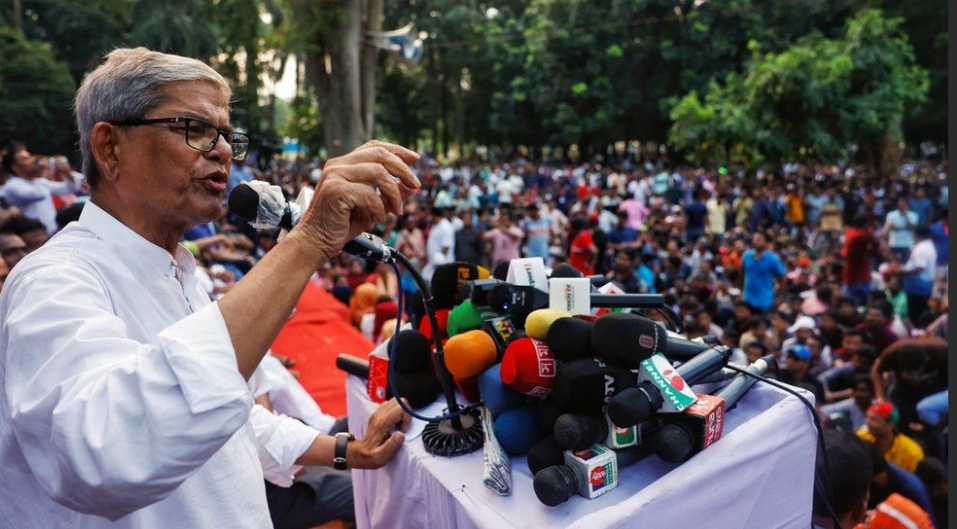
BNP leader injured in Dhaka ahead of Bangladesh elections, sign of increasing political violence

On Thursday night (January 22, 2026), **Mohammad Hasan Molla** (also known as Hasan Molla/Mallah), 45, general secretary of Hazratpur Union BNP in Keraniganj (Dhaka District), was seriously injured in a firing. Two unidentified assailants riding a motorcycle opened fire in Dhalikandi area (Ward No. 7 or Ward 9 near BNP office) around 9:00-9:30 pm, when he was returning home (possibly from a Waaz Mehfil or sermon). He was shot in the right/lower part of the stomach. Locals took him to **Dhaka Medical College Hospital** (DMCH), where he reached at 11 pm and is in critical condition in the emergency department. Inspector Mohammad Farooq (DMCH police post) and Keraniganj Model OC Mohammad Saiful Alam confirmed the bullet injury; The case has been reported to police His brother Rakib Mollah (or Rakib Hussain) described the attack and the rescue efforts.
BNP condemned the incident, with general secretary Mirza Fakhrul Islam Alamgir demanding an impartial investigation and arrest, calling it part of a conspiracy to disrupt the elections through violence.
This fits into the pattern of increasing political violence under the Muhammad Yunus-led interim government (unrest since August 2024) ahead of **February 12, 2026** general elections. Recent events include:
– 7–8 January: **Azizur Rahman Musabbir** (former Swayamsevak Dal leader, BNP volunteer wing) was shot dead in Caravan Bazaar, Dhaka; One colleague was injured.
– 8-9 January: **Yanul Hussain** (Jubo Dal worker) was hacked to death with an ax in Panchbibi, Joypurhat; Brother Abdul Momin injured (due to old enmity/financial dispute).
– Last week: 65-year-old **Anwar Ullah** (Jamaat-e-Islami leader) was murdered at his Dhaka residence. Since Yunus came to power, the BNP has criticized law and order failures, the proliferation of looted weapons and deteriorating governance. Clashes (e.g., BNP-Jamaat), anti-India rhetoric and violence against minorities are adding to the tensions in a polarized electoral environment.

Comments are closed.