
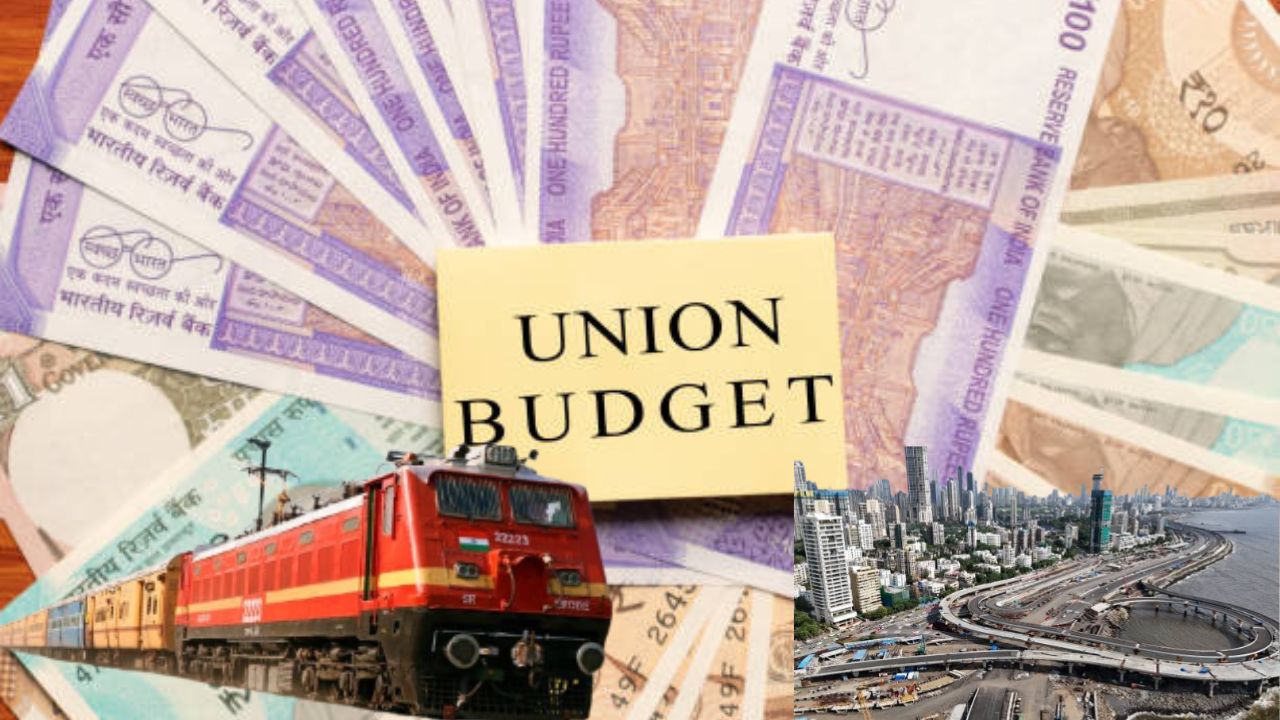
Budget 2026: Railways or Highways? Who will get more money from Nirmala Sitharaman’s box, who will get government money

- Budget 2026-2027
- What facilities will be available
- Who will the government put more money in?
The government is also focusing on increasing spending on infrastructure in the next budget. It is hoped that this will stimulate the economy and increase the purchasing power of consumers, thereby increasing investment and economic activity. According to a TI report, the railways could get a budget of around ₹2.7 lakh crore in the next financial year. This is slightly higher than this year’s ₹2.5 lakh crore. This is due to the increasing number of railway projects. A slight increase may be seen in the highways sector, as there has been considerable investment in the sector over the past few years.
In addition, some other areas are also being considered for investment. For example, there is talk of strengthening the canal network in some states to benefit agriculture. Most ministries and states have responded well to the government’s efforts to increase capital expenditure. This is despite private companies being somewhat slow to invest. In this financial year, Finance Minister Nirmala Sitharaman announced a 10% increase in capital expenditure, which was budgeted at ₹11.2 lakh crore.
Capex expenditure
Between April and October, the government’s capex expenditure rose 13% to Rs 6.7 lakh crore. This figure was a little less than Rs 6 lakh crore during the same period last year. According to current figures, the railways has spent a little less than Rs 2 lakh crore till this week. This is approximately 77% of the budget for the entire financial year. Meanwhile, the Ministry of Road Transport has spent over Rs 1.8 lakh crore, which is approximately 68% of the budget for this financial year.
Budget 2026 Date: 31 January, 1 or 2 February? How is the budget date determined? Let’s know in detail
Railways expect more budget
More to railway officials of the budget is expected Because the construction of new railway lines has accelerated and the government has approved more new lines. Officials say costs typically increase in the second and third years of a project. Railway expenditure is primarily focused on laying new railway lines, converting existing lines into multi-track lines, completing electrification of the broad gauge network and purchasing new rolling stock such as trains, wagons and locomotives.
Status of highway area
As for the highways sector, the pace of new project approvals has slowed towards the end of November. The target was 10,000 km by 2026, but so far only 2,000 km of projects have been approved. Only 7,537 km of projects were sanctioned in 2024-25 against a target of 10,000 km. “Continued decline in project approvals will impact expenditure. Hence, the budget requirement for the next financial year is likely to remain at the current level,” an official said.
Pre-Budget 2026: Big demand from industries for central government to exempt annual income up to 50 lakhs; Tax relief for the middle class
Why is railway preferred?
The government believes that increased spending on infrastructure will generate employment and increase income. When people have more money, they will buy more. This will benefit companies and attract more investment. This will create a cyclical cycle, which will strengthen the entire economy.
to the railway One of the major reasons for its preference is that it is the cheapest and easiest means of transporting goods and people to every corner of the country. Laying of new railway lines and electrification will increase the speed of railways and speed up the movement of goods, which will also boost trade.

Comments are closed.