



Introduction to Business Networking and Business Meetings
In today’s fast-moving professional world, business networking and business meetings play a vital role in shaping careers, strengthening organizations, and driving long-term success. Whether you’re an entrepreneur, a manager, or a fresh graduate, your ability to connect with people and communicate effectively can open doors that skills alone cannot.
Business networking helps professionals build meaningful relationships, while business meetings provide structured environments to share ideas, make decisions, and move projects forward. Together, they form the backbone of collaboration and growth in any industry. When done right, these two practices can transform simple conversations into valuable partnerships.
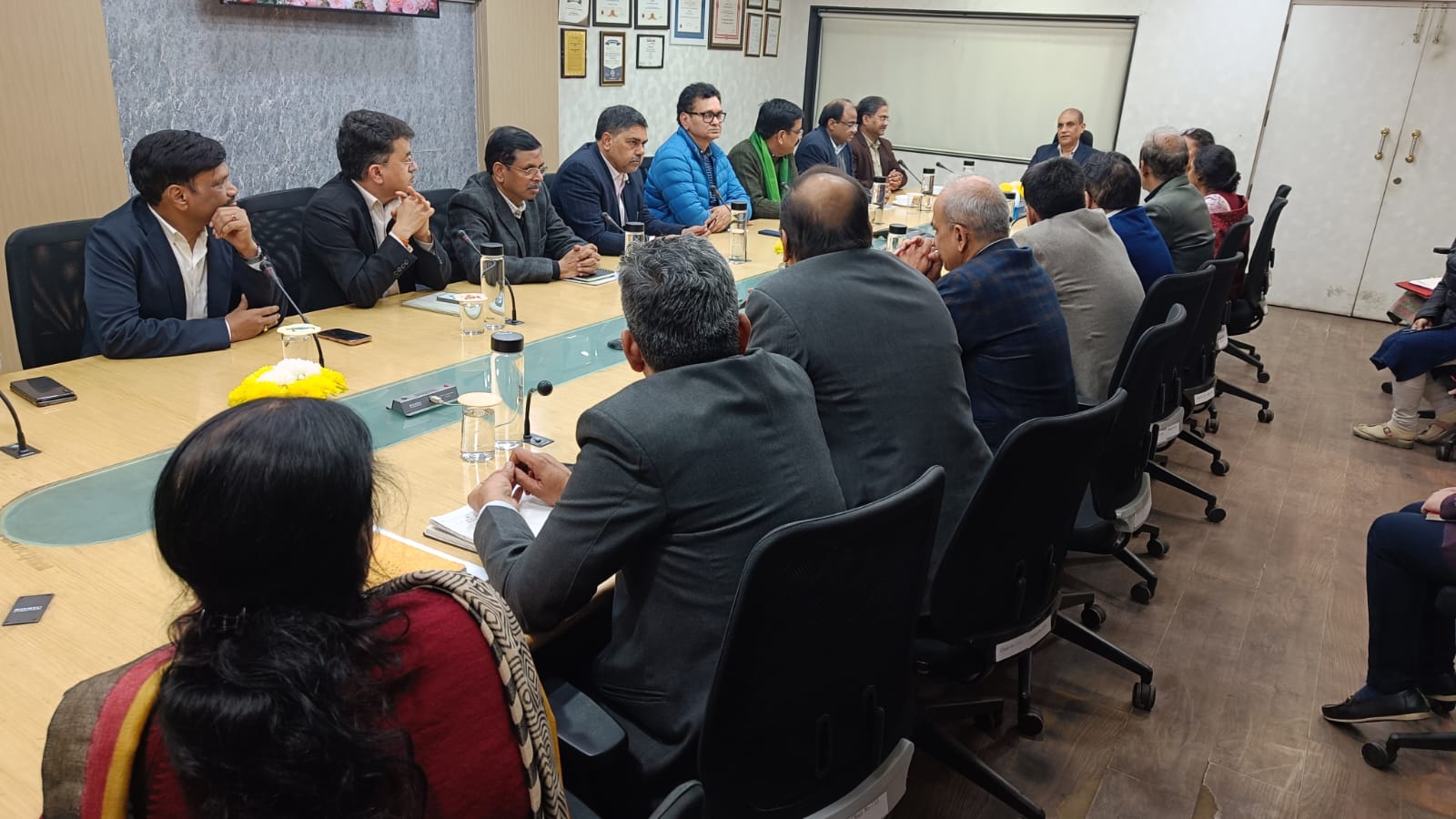
Understanding the Concept of Business Networking
What Business Networking Really Means
Business networking is the process of creating and maintaining professional relationships that are mutually beneficial. It goes beyond exchanging business cards or adding contacts on social media. True networking is about trust, consistency, and value exchange.
Effective networking means helping others solve problems, sharing insights, and staying connected over time. When people know and trust you, they are more likely to recommend you, collaborate with you, or offer new opportunities.
Types of Business Networking
Business networking can take many forms, including:
Formal networking: Conferences, seminars, trade shows, and industry events
Informal networking: Coffee meetings, social gatherings, and referrals
Online networking: LinkedIn, professional forums, and virtual communities
Internal networking: Building relationships within your own organization
Each type plays a unique role in strengthening professional visibility and credibility.
The Importance of Business Meetings in Modern Organizations
Business meetings are structured interactions where professionals come together to discuss goals, review progress, and make decisions. They help align teams, clarify expectations, and ensure accountability.
Formal vs Informal Business Meetings
Formal meetings include board meetings, strategy sessions, and client presentations. These usually follow a set agenda and documented outcomes.
Informal meetings are casual discussions, brainstorming sessions, or quick check-ins that encourage creativity and collaboration.
Both types are essential. Formal meetings provide structure, while informal ones promote openness and idea-sharing.
Virtual and Hybrid Business Meetings
With the rise of remote work, virtual and hybrid meetings have become common. Video conferencing tools allow teams to connect across locations, saving time and costs. However, clear communication and proper meeting etiquette are crucial to avoid misunderstandings and fatigue.
How Business Networking and Business Meetings Work Together
Business networking and business meetings complement each other perfectly. Networking often leads to meetings, and meetings strengthen networking relationships. For example, a connection made at a networking event may result in a follow-up meeting to explore collaboration.
Meetings provide the space to deepen relationships built through networking. They allow professionals to demonstrate expertise, reliability, and professionalism, turning connections into long-term partners.
Key Benefits of Business Networking and Business Meetings
Relationship Building
Strong professional relationships are built over time through regular interaction. Networking introduces people, while meetings help maintain and grow those relationships.
Knowledge Sharing
Meetings and networking events are excellent platforms for exchanging ideas, industry trends, and best practices. Learning from others helps professionals stay competitive and informed.
Business Growth Opportunities
New clients, partnerships, and career opportunities often arise from well-managed connections. Many successful deals begin with a simple conversation.
Essential Skills for Successful Business Networking
Communication Skills
Clear and confident communication is at the heart of networking. Professionals should be able to introduce themselves, explain their value, and engage in meaningful conversations without sounding rehearsed.
Active Listening and Emotional Intelligence
Listening is just as important as speaking. Active listening shows respect and helps build trust. Emotional intelligence allows professionals to read social cues, respond appropriately, and build stronger connections.
Best Practices for Effective Business Meetings
Planning and Agenda Setting
Every successful meeting starts with a clear purpose. An agenda keeps discussions focused and ensures that time is used wisely. Participants should know what to expect and how to prepare.
Time Management and Follow-Ups
Meetings should start and end on time. After the meeting, sharing notes and action items helps maintain momentum and accountability.
Common Mistakes to Avoid
Some common pitfalls in business networking and business meetings include:
Talking too much and listening too little
Attending meetings without preparation
Failing to follow up after networking events
Being overly transactional instead of relationship-focused
Avoiding these mistakes can greatly improve professional effectiveness.
Role of Technology in Business Networking and Business Meetings
Technology has transformed how professionals connect and collaborate. Online platforms make it easier to maintain relationships, schedule meetings, and share information. Tools like video conferencing, digital calendars, and professional social networks support efficient communication when used thoughtfully.
Business Networking Etiquette and Professionalism
Professionalism is key in all interactions. This includes punctuality, respectful communication, appropriate dress, and honesty. Good etiquette leaves a lasting impression and strengthens your professional reputation.
FAQs About Business Networking and Business Meetings
1. Why are business networking and business meetings important?
They help build relationships, share knowledge, and create opportunities for growth and collaboration.
2. How often should professionals attend networking events?
Consistency matters more than frequency. Attending events regularly, even once a month, can be effective.
3. What makes a business meeting successful?
Clear objectives, good preparation, active participation, and follow-up actions define a successful meeting.
4. Can introverts succeed in business networking?
Yes. Introverts often excel by building deeper, more meaningful connections through thoughtful conversations.
5. How long should a business meeting last?
Only as long as necessary. Short, focused meetings are usually more productive.
6. What is the biggest mistake in networking?
Treating networking as a one-time transaction instead of a long-term relationship.
Conclusion and Key Takeaways
In conclusion, business networking and business meetings are essential tools for professional success. Networking builds relationships, while meetings turn those relationships into action. By developing strong communication skills, practicing professionalism, and using technology wisely, professionals can create meaningful connections that last.
When approached with purpose and authenticity, business networking and business meetings become powerful drivers of trust, collaboration, and growth.

Comments are closed.