
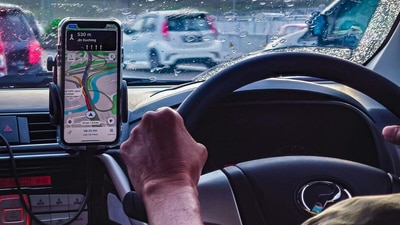

On March 23, drivers linked with platforms such as Uber and Ola went on strike, causing massive disruptions in Gurugram’s app-based taxi services. The protest, which began over the weekend and intensified on Monday, caused longer wait times, ride cancellations, and hardship for regular commuters in critical regions of the city.
Residents reported delays of up to 10–15 minutes for booking cabs, compared to the usual 1–2 minutes. In many areas, especially high-demand zones like Sector 46, Sohna Road, and DLF phases, availability dropped sharply, forcing office-goers and travellers to look for alternative transport options. The strike has once again highlighted the dependence of urban mobility on app-based cab services and how disruptions can quickly impact daily life.
Safety Concerns and KYC Demand at the Core:
At the heart of the protest is a key demand: mandatory Know Your Customer (KYC) verification for passengers. Drivers argue that while they are required to undergo strict identity checks before joining platforms, passengers can book rides with minimal verification, creating a major safety gap. According to drivers, the absence of proper passenger verification allows individuals using fake profiles or unverified numbers to misuse the service. This, they say, exposes them to risks ranging from verbal abuse to physical assault.
Driver groups are demanding that ride-hailing companies introduce Aadhaar-based or ID-based verification for users, ensuring accountability on both sides of the platform. They believe such a move would significantly reduce safety risks and improve trust within the system. The demand for equal KYC norms reflects a broader concern among gig workers about safety and fairness in platform-based work environments.
Recent Incidents Intensify Driver Fears:
The strike has been further fuelled by recent incidents that have shaken the driver community. A major trigger cited by many protesters is the January 2026 killing of a 25-year-old driver, Suraj Singh, who was allegedly strangled by passengers during a ride in Gurugram. Drivers say such incidents are not isolated and point to a pattern of threats, robberies, and misconduct during trips. Many claim that night shifts and rides in isolated areas have become increasingly risky.
Drivers have expressed worries about the absence of an efficient grievance redressal procedure in addition to safety hazards. They contend that there is no efficient way to report occurrences or get assistance when they happen.The failure of in-app safety measures like SOS buttons was another criticism brought up during the event. According to drivers, these systems frequently leave them vulnerable by failing to offer prompt aid in emergency situations.
Wider Impact and What Lies Ahead:
The ongoing strike has disrupted daily commuting patterns across Gurugram, with many residents struggling to secure rides during peak hours. While fares have not surged dramatically yet, the shortage of available cabs and frequent cancellations have added to commuter frustration.
The protest has also put pressure on ride-hailing companies and authorities to address driver concerns more seriously. With the gig economy expanding rapidly in India, issues of safety, accountability, and worker protection are becoming increasingly prominent.
Drivers have warned that if their requests are not satisfied, the protest may escalate in the following days. For the time being, the situation is fluid, with stakeholders likely to conduct conversations in order to reach an agreement. The protest highlights a growing problem in India’s digital transportation ecosystem: balancing passenger convenience with driver safety and security. As app-based transportation expands, guaranteeing fair and secure conditions for all participants will remain a top focus.

Comments are closed.