
California Attorney General Signals Tough Review of Paramount Skydance’s Warner Bros. Discovery Takeover

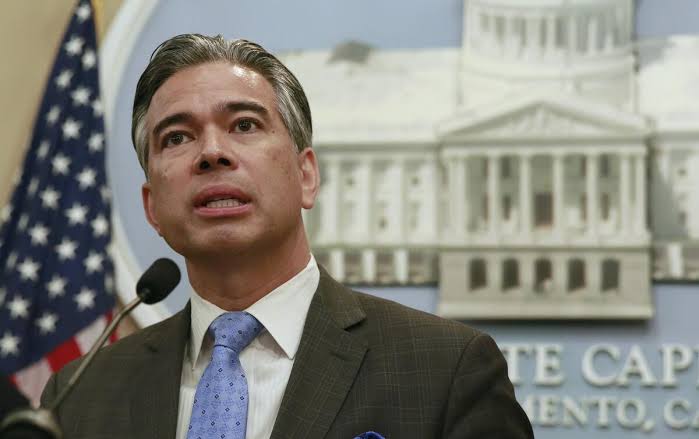
California Attorney General Rob Bonta has made it clear that the proposed acquisition of Warner Bros. Discovery by Paramount Skydance is far from finalized, despite recent momentum in the boardroom. The state’s top law enforcement official confirmed that California regulators are actively examining the deal and warned that it must pass a detailed and rigorous review before moving forward.
Bonta stated that the California Department of Justice has an open investigation into the transaction, underscoring that regulatory scrutiny remains ongoing. His comments came amid a dramatic shift in the bidding landscape that positioned Paramount Skydance as the likely buyer of the media giant.
The warning serves as a reminder that even when corporate negotiations appear settled, large-scale mergers in industries as influential as entertainment must navigate complex legal and political processes.
Revised Offer Pushes Paramount Skydance Ahead
The current situation unfolded after Paramount Skydance increased its offer for Warner Bros. Discovery by $1 per share, strengthening its bid and putting additional pressure on WBD’s board to respond. The revised proposal was reportedly compelling enough that directors opted to move forward with the updated terms.
The improved offer effectively edged out a competing suitor, Netflixwhich had previously secured a sale agreement with Warner Bros. Discovery in December. That agreement included a provision giving Netflix the right to match any competing bid.
However, as the price of the acquisition rose, Netflix chose not to exercise its option. The streaming platform ultimately withdrew, indicating that the financial terms no longer aligned with its strategic objectives. With Netflix stepping aside, Paramount Skydance emerged as the frontrunner in the effort to acquire the storied entertainment company.
Still, boardroom decisions do not equal regulatory approval — a distinction Bonta emphasized as attention shifted from corporate negotiations to government oversight.
California’s Stake in the Entertainment Industry
California’s involvement in reviewing the merger is significant. The state remains the epicenter of the American film and television industry, housing major studios, production facilities and thousands of creative professionals. Any consolidation involving one of Hollywood’s legacy studios carries direct implications for jobs, competition and consumer pricing within California.
Bonta’s office has increasingly taken an assertive approach toward major corporate transactions, particularly in industries with broad economic or social impact. In this case, regulators are expected to examine whether combining Paramount Skydance and Warner Bros. Discovery could substantially reduce competition, limit consumer choice or alter the balance of power in the streaming and theatrical markets.
The state-level investigation adds another layer of oversight to what is already shaping up to be one of the most consequential media mergers in recent years.
Republican Attorneys General Raise Antitrust Concerns
The proposed sale has also attracted attention beyond California. Earlier in the week, before Netflix formally exited the race, a coalition of 11 Republican attorneys general called on federal regulators to carefully evaluate the potential Netflix-Warner Bros. Discovery merger.
In a joint letter to the U.S. Department of Justice, the group argued that such a deal could concentrate too much power in a single company’s hands, potentially stifling competition in both streaming services and traditional film distribution. They expressed concern that increased consolidation could lead to higher subscription costs for consumers, reduced service quality and diminished innovation across the entertainment sector.
The coalition also highlighted potential effects on movie theaters, suggesting that a powerful streaming company controlling a major studio might prioritize digital releases over theatrical distribution, reshaping the economics of the film business.
The states represented in the letter were Alabama, Alaska, Iowa, Kansas, Montana, Nebraska, North Dakota, South Carolina, Tennessee, Utah and West Virginia. Although Netflix has since withdrawn, the broader antitrust concerns raised in that letter continue to frame the debate over media consolidation.
A Politically Charged Environment
The scrutiny facing Paramount Skydance’s bid unfolds against a wider political backdrop. In recent years, mergers in technology and media have drawn bipartisan interest, with lawmakers from both parties voicing concerns about market concentration and corporate influence.
At the federal level, antitrust enforcement has become more prominent, particularly in industries where scale can dramatically affect pricing and consumer access. Streaming platforms, in particular, have transformed how audiences consume content, intensifying competition while also encouraging consolidation as companies seek scale to manage production costs and global distribution.
The Warner Bros. Discovery transaction sits squarely within that broader debate. Regulators must weigh potential efficiencies and economic benefits against the risk that fewer major players could limit consumer choice or raise prices over time.
California’s review may prove especially influential given the state’s central role in the entertainment economy and its track record of active oversight in high-profile corporate matters.
What the Deal Could Mean for Hollywood
Warner Bros. Discovery oversees a vast array of entertainment assets, including film studios, television networks and streaming platforms. A successful acquisition by Paramount Skydance would reshape the competitive landscape across theatrical releases, cable programming and digital streaming services.
Industry observers note that consolidation is often driven by financial pressures. Producing premium films and television series has grown increasingly expensive, while streaming platforms compete fiercely for subscribers. Larger combined entities can spread costs across broader content libraries and negotiate more favorable distribution deals.
However, critics argue that fewer competitors may ultimately weaken market dynamics. Smaller studios, independent filmmakers and theater operators could feel ripple effects depending on how the merged company structures content releases and licensing agreements.
The outcome of the regulatory review will help determine whether this consolidation proceeds — and under what conditions.

Comments are closed.