
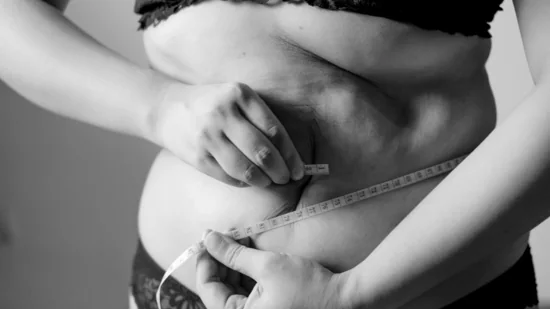

Most people know that excess belly fat increases the risk of conditions such as diabetes, heart disease, and high blood pressure. However, growing research suggests that visceral fat—the fat stored deep inside the abdomen around internal organs—may also have a negative impact on brain health.
Unlike the fat just beneath the skin, visceral fat is metabolically active and has been linked to inflammation, hormonal changes, and other processes that may affect memory and cognitive function over time.
What Is Visceral Fat?
Not all body fat is the same.
There are two main types:
- Subcutaneous fat: Fat located just beneath the skin.
- Visceral fat: Fat stored deep inside the abdomen, surrounding organs such as the liver, pancreas, and intestines.
Visceral fat is considered more harmful because it produces inflammatory substances and hormones that can affect multiple organs throughout the body.
How Belly Fat May Affect the Brain
Research has found that higher levels of visceral fat are associated with:
- Increased risk of cognitive decline
- Greater risk of dementia
- Smaller overall brain volume
- Reduced hippocampal volume, an area of the brain essential for learning and memory
- Slower information processing
- Poorer attention and executive function
These changes may begin years before noticeable memory problems develop.
Why Does Visceral Fat Affect Brain Health?
Scientists believe several biological processes may explain this connection.
These include:
- Chronic inflammation: Persistent low-grade inflammation may damage brain cells over time.
- Insulin resistance: Poor insulin function has been linked to impaired brain health.
- High blood pressure: Reduced blood flow can affect brain function.
- Unhealthy cholesterol and blood lipids: These may contribute to blood vessel damage.
- Damage to small blood vessels: This can reduce oxygen and nutrient supply to the brain.
- Hormonal changes: Hormones produced by excess fat tissue may influence cognitive function.
Together, these factors may increase the long-term risk of memory loss and dementia.
How to Reduce Visceral Fat
The good news is that visceral fat responds well to healthy lifestyle changes.
1. Exercise Regularly
Aim for a combination of:
- Brisk walking
- Cycling
- Swimming
- Jogging
Try to get at least 150 minutes of moderate aerobic activity each week.
2. Include Strength Training
Resistance exercises performed at least twice a week help preserve muscle mass and improve metabolism, supporting fat loss.
3. Follow a Balanced Diet
A Mediterranean-style eating pattern may help reduce visceral fat.
Focus on:
- Fruits
- Vegetables
- Whole grains
- Legumes
- Nuts and seeds
- Fish
- Healthy fats such as olive oil
Limit sugary drinks, processed foods, and excessive refined carbohydrates.
4. Eat Enough Protein and Fiber
Protein helps maintain muscle, while fiber supports digestion and improves satiety, making it easier to manage body weight.
5. Prioritize Sleep
Adults should aim for 7–9 hours of quality sleep each night, as poor sleep has been linked to increased abdominal fat and metabolic problems.
6. Monitor More Than Your Weight
Body weight alone doesn’t always reflect visceral fat.
Useful measurements include:
- Waist circumference
- Waist-to-height ratio (a ratio below 0.5 is often considered a helpful general target for many adults)
These measurements may provide a better indication of abdominal fat than body weight alone.
Avoid Quick Fixes
Although many supplements claim to “burn belly fat,” there is currently no strong scientific evidence that these products effectively reduce visceral fat.
Long-term lifestyle habits remain the most reliable and sustainable approach.
The Bottom Line
Visceral fat does more than increase the risk of diabetes and heart disease—it may also affect brain structure, memory, and cognitive function. While genetics and ageing cannot be changed, abdominal fat is often manageable through regular exercise, healthy eating, adequate sleep, and maintaining a healthy weight. Protecting your waistline today may also help protect your brain health in the years to come.
Disclaimer: This article is for informational purposes only and should not be considered medical advice. If you have concerns about abdominal fat, memory changes, or other health conditions, consult a qualified healthcare professional for proper evaluation and personalized guidance.

Comments are closed.