
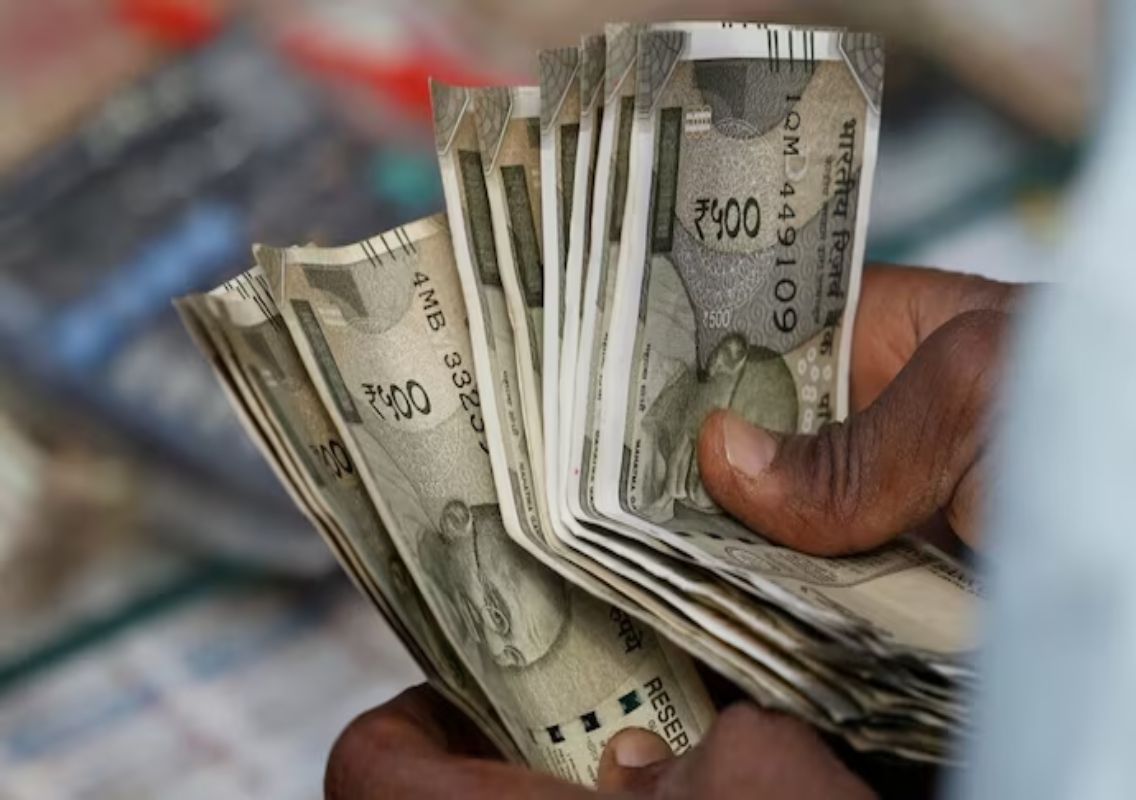

New Delhi: A recent viral prediction suggesting the Indian rupee could weaken to Rs 150 against the US dollar has triggered widespread debate among economists, investors and social media users. While most experts dismiss the scenario as highly unlikely in the near term, the discussion has gained traction due to rising global uncertainties, including oil price shocks, geopolitical tensions and volatile capital flows.
The debate intensified after finance commentator Jayant Mundhra raised concerns about the rupee’s structural vulnerabilities during a podcast appearance. His remarks quickly spread online, prompting both alarm and analysis about how exposed the Indian currency is to external shocks.
Why the discussion is gaining attention now
The timing of the prediction has played a crucial role in its popularity. Global economic conditions have become increasingly uncertain, with crude oil prices rising again amid geopolitical tensions. At the same time, the US dollar has strengthened, supported by higher bond yields in the United States.
For emerging markets like India, such trends can create pressure on domestic currencies. When US yields rise, global investors often shift funds toward dollar-denominated assets, leading to capital outflows from countries like India. This increases demand for dollars and weakens the rupee.
India’s dependence on imported crude oil further amplifies this vulnerability. A sustained rise in oil prices increases the country’s import bill, widens the current account deficit and adds downward pressure on the rupee.
Understanding the rupee’s recent movement
Currency market experts note that the approach of the Reserve Bank of India has evolved in recent years. Rather than aggressively defending specific exchange rate levels, the central bank is increasingly focused on preventing excessive volatility.
This means the rupee is now allowed to depreciate gradually in response to market forces, as long as the movement remains orderly. Such a strategy helps conserve foreign exchange reserves and avoids sudden shocks to the financial system.
Notably, former IMF Deputy Managing Director Gita Gopinath has previously argued that a weaker rupee—even at levels like 100 per US dollar—should not automatically be interpreted as a crisis. Exchange rates, she emphasised, must be viewed in the context of broader macroeconomic conditions.
Is Rs 150 per dollar realistic?
Despite the heightened discussion, most economists consider a move to Rs 150 per dollar as an extreme and unlikely scenario under normal conditions. Analysts suggest that such a level would require a combination of severe and simultaneous global and domestic shocks.
According to market experts, a more realistic near-term range—if pressures persist—would be around Rs 100–105 per dollar. Even this would depend on factors such as sustained high crude oil prices and continued capital outflows.
The Rs 150 level is therefore seen as a “tail-risk” scenario, meaning it is technically possible but highly improbable unless triggered by extraordinary circumstances.
What could push the rupee to extreme levels
For the rupee to weaken dramatically toward Rs 150, multiple adverse developments would likely need to occur at the same time:
- A prolonged global energy crisis pushing crude oil prices sharply higher
- Significant and sustained foreign capital outflows from Indian markets
- A strong and persistent rally in the US dollar
- Rising US bond yields attracting global investments away from emerging markets
- Weak export performance and slowing economic growth in India
- A broader crisis across emerging market economies
Such a combination would create intense pressure on India’s external finances, increasing demand for dollars while reducing inflows.
Role of RBI and government safeguards
The Reserve Bank of India plays a crucial role in managing currency volatility. It intervenes in the foreign exchange market through tools such as selling dollars, managing liquidity and conducting currency swaps.
However, aggressive intervention comes with trade-offs. Excessive use of foreign exchange reserves can tighten domestic liquidity and impact economic growth. This is why the central bank typically prefers a balanced approach, allowing gradual depreciation while stepping in during periods of excessive volatility.
Importantly, India still has strong buffers that reduce the likelihood of a sudden currency collapse. These include substantial foreign exchange reserves, a relatively stable banking system and active policy management by both the central bank and the government.
Why the fear still resonates
Even if Rs 150 per dollar remains an unlikely outcome, the reason the prediction resonated widely lies in everyday economic realities. For many households, global developments such as rising oil prices translate directly into higher fuel costs, increased transport expenses and broader inflation.
Over time, repeated global shocks have made extreme scenarios feel less distant. This psychological shift is an important factor behind the strong public reaction to the prediction.
Conclusion
While the idea of the rupee falling to Rs 150 per US dollar has captured public attention, it remains a highly improbable scenario under current conditions. Most economists view it as a worst-case outcome that would require a severe global and domestic economic breakdown.
However, the discussion highlights genuine concerns about India’s exposure to external shocks, particularly through oil imports and global capital flows. As uncertainties persist, the rupee may continue to face pressure, but strong economic fundamentals and policy safeguards are expected to prevent extreme depreciation in the foreseeable future.

Comments are closed.