
Carmakers To Government: Flex-Fuel Cars Won’t Sell Unless High-Ethanol Fuel Is Priced Below Petrol

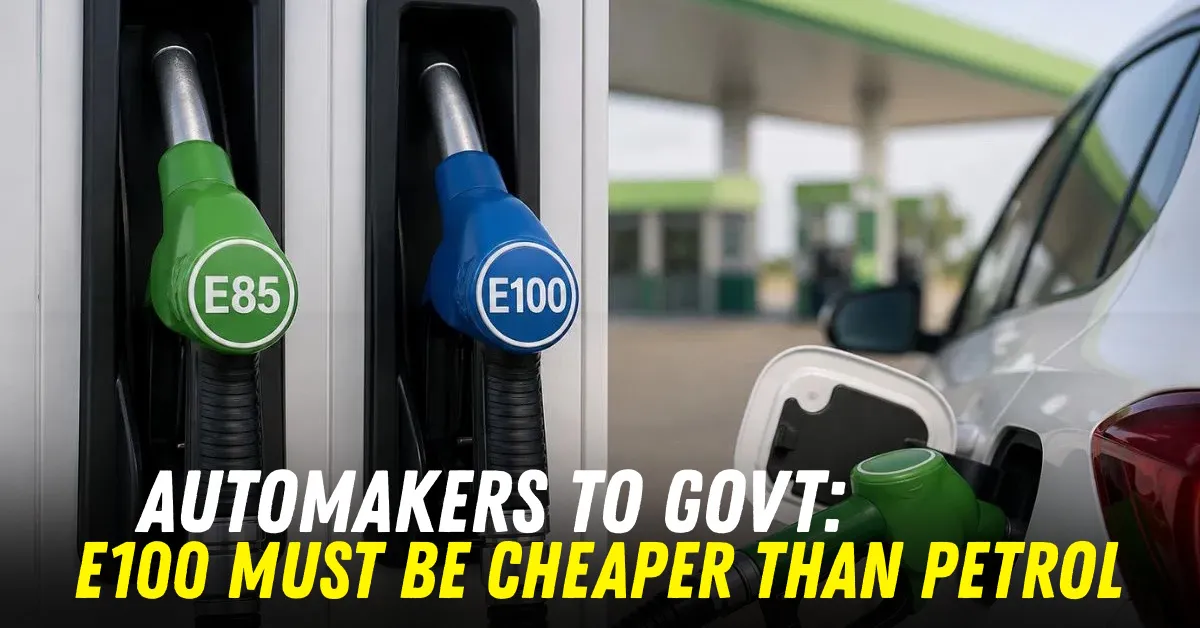
The auto industry has a clear message for the government on flex-fuel vehicles: the technology is ready, but buyers will not make the switch unless E85 and E100 fuels are priced much lower than petrol.
This position has been shared directly with the petroleum ministry and oil marketing companies by carmakers through their industry body, SIAM, as the government works to build a roadmap for higher ethanol blending.
Flex-fuel vehicles are cars and two-wheelers that can run on any blend of petrol and ethanol, from standard E20 all the way up to E85 or E100. Unlike regular petrol cars, which are calibrated for up to 20 percent ethanol, flex-fuel engines are designed to handle high-ethanol fuels without modifications. The engineering is already available and at least two manufacturers have launched flex-fuel compatible models here.
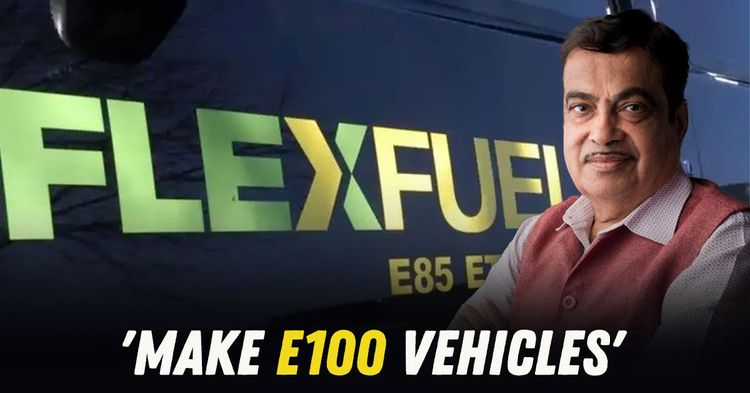
The core issue is simple. E85 and E100 require dedicated flex-fuel engines that cost more to make. If the fuel those engines run on is priced at or near petrol rates, there is no financial incentive for a buyer to choose the more expensive vehicle. The extra upfront cost of a flex-fuel car only makes sense if the fuel it prefers delivers savings at the pump.
Brazil is the clearest reference point. It has one of the most mature flex-fuel markets in the world, with the large majority of new cars sold there capable of running on E85 or E100. The reason buyers choose high-ethanol blends there is that those fuels are consistently priced below the standard E27 petrol blend. The price gap makes the per-kilometre running cost of ethanol cheaper even though ethanol delivers fewer kilometres per litre than petrol, because ethanol has lower energy density.
The industry wants a similar pricing structure here, along with GST rationalisation or other tax benefits for flex-fuel vehicles to close the upfront cost gap. Without both levers working together, a buyer comparing a regular petrol car to a flex-fuel variant at a higher price, with no guaranteed fuel price advantage, will simply choose the cheaper car.
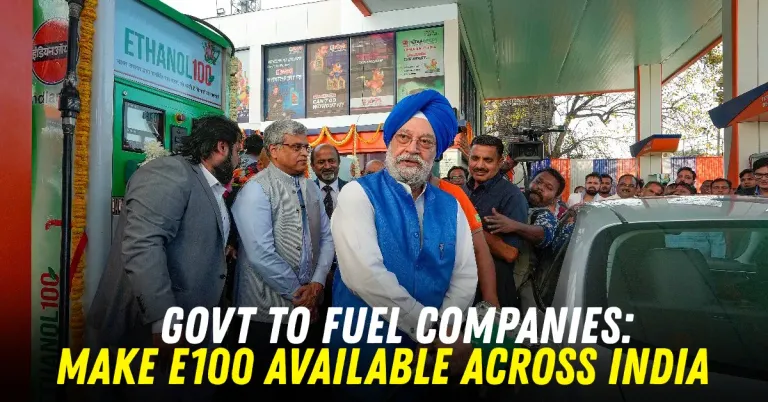
The petroleum ministry has been accelerating its work on a comprehensive ethanol roadmap. The Bureau of Indian Standards recently notified a new standard, IS 19850:2026, covering E22 to E30 petrol grades, and the government has separately been evaluating a rollout plan for E100. The urgency is driven by the crude oil import bill, which has been under pressure from elevated global prices and higher freight costs.
Ethanol produced domestically from sugarcane and foodgrain surplus can substitute imported petrol on a litre-for-litre volume basis. Higher ethanol blending directly reduces crude oil imports, which is the policy driver behind the push. But any blending target that depends on consumers actively choosing E85 or E100 requires those fuels to be available, affordable and compatible with a reasonably sized vehicle fleet.

The flex-fuel conversation is still at the policy and industry negotiation stage. At the retail level, E85 and E100 are not yet widely available outside a few pilot cities.
For anyone considering a new car or two-wheeler, the most practical near-term question is whether an E20-compatible model will handle the higher blends likely to arrive at pumps over the next two to three years.
E20-compatible vehicles, which cover most cars sold in the last two to three years, are not automatically rated for E85 or E100. Running high-ethanol fuel in a non-flex-fuel car can damage fuel system seals and other components over time. Until a clear network of E85 and E100 stations exists and pricing is confirmed, flex-fuel compatibility is worth asking about when buying a new vehicle, even if it is not an immediate necessity.
Comments are closed.