
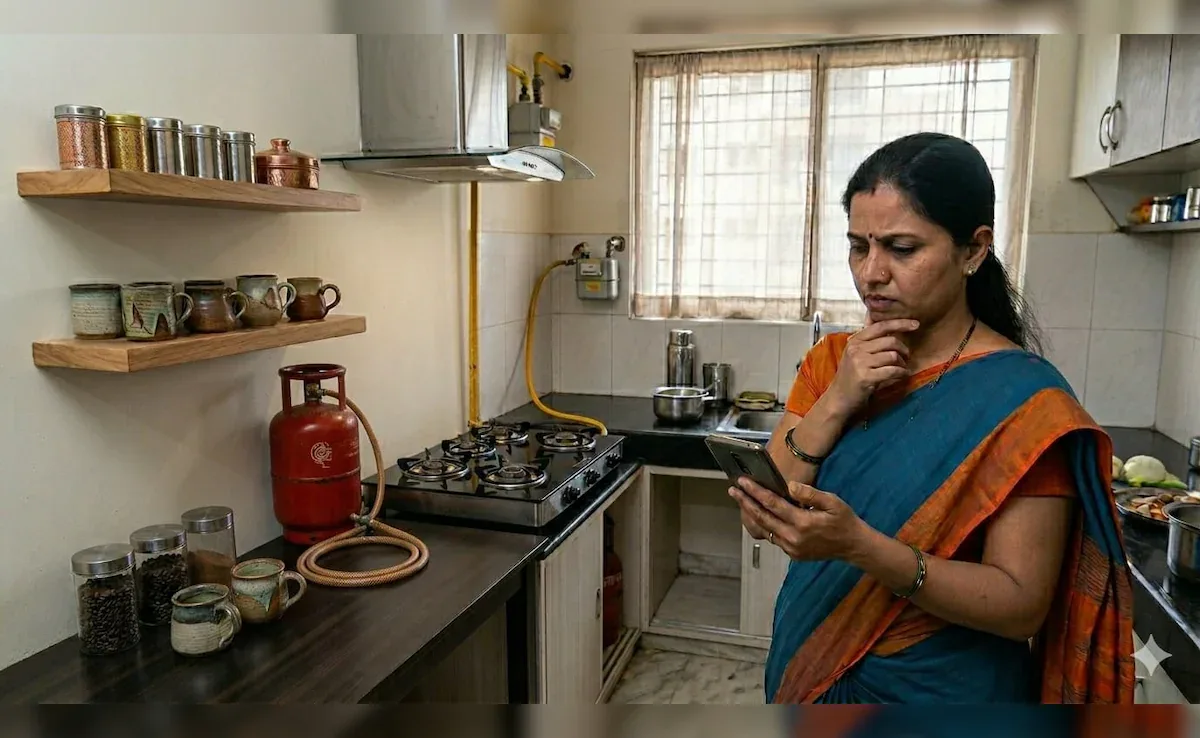
Change in LPG-PNG rule: No dual connection applicable from July 1, only one connection per household

LPG PNG Rule: Due to the ongoing tension between America and Iran, there is currently a shortage of LPG in the country. However, the government is taking rapid steps to deal with this situation, which also includes rapid expansion of the Piped Natural Gas (PNG) network. Meanwhile, the government has also taken a big decision regarding the LPG system. The ‘No Dual Connection’ rule is going to be implemented in the country from July 1. Under this rule, now only one connection of either LPG or PNG will be allowed in a house. If a consumer has both the connections, he will have to surrender one of these connections. Failure to do so may automatically suspend the LPG connection.
According to the new rule, no consumer will be able to have a subsidized LPG cylinder and a PNG connection simultaneously. Oil Marketing Companies (OMCs) have been instructed not to allow new LPG refills or bookings wherever PNG connections are active. The purpose of this system is to ensure that the same family does not avail the benefit of double subsidy.
A connection surrender is mandatory by June 30.
According to government guidelines, consumers who have both the connections will have to surrender one connection by June 30. Failure to do so will result in their connection being automatically suspended from July 1. The government has also made it clear that limited relaxation can be given in certain circumstances, but in case of continuous violation of the rules, penalty or connection can be canceled.
43 thousand surrendered their connections
Oil companies and gas distributors have been asked to identify households that have both the connections through data analysis and field surveys. Surveillance has already been increased in many big cities including Delhi. According to government data, till now more than 43,000 consumers have surrendered their LPG connections.
At present the whole world is facing problems in gas supply. India is largely dependent on imports for crude oil and gas, hence tensions and international fluctuations in West Asia also affect the country’s energy supply.

Comments are closed.