
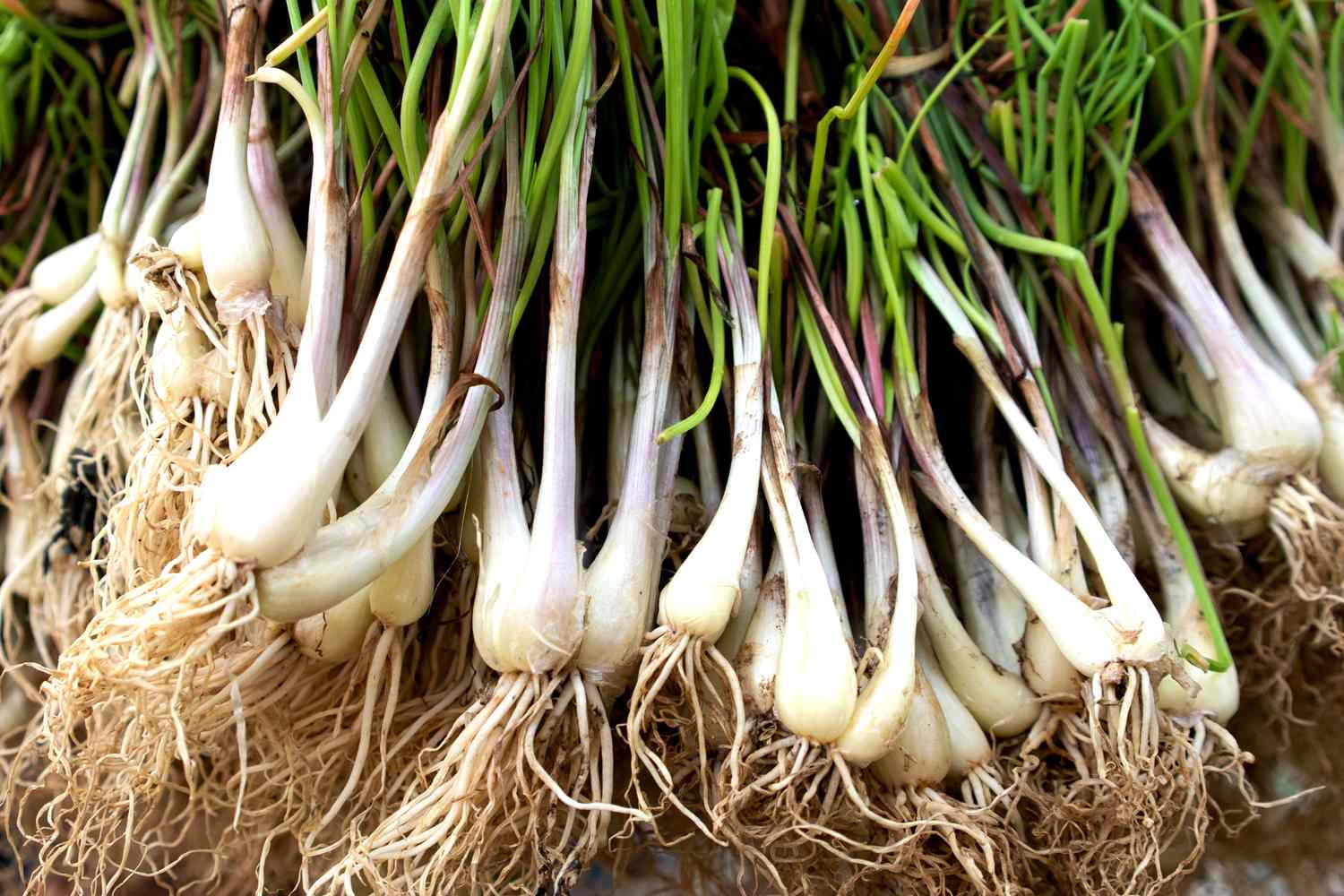

Each spring, a crate of ramps lands in the kitchen and chefs are suddenly plating, posting, and proselytizing. These short-lived foraged alliums have become the unofficial mascot of the season, a signal that winter’s grip has finally loosened. They’re punchy, garlicky, and gone almost as quickly as they arrive. It makes total sense that chefs can’t get enough of them.
“Ramps have become a symbol of spring because they’re aromatic, flavorful, and naturally push you toward a lighter style of cooking,” says chef Ricky Tuy of Social 45 at Sofitel New York. “I don’t think they’re overhyped. If anything, their short season is exactly why chefs get so excited. You grab them while you can.”
But if you ask chefs what most excites them this time of year, ramps are just one of the many ingredients they’ll rattle off.
“After winter, chefs are looking for something vivid, aromatic, and fleeting, and ramps deliver that immediately,” says Carmine Mottola, executive chef of Rhode Island’s Heritage Restaurant Group. “Yet spring has many quieter ingredients that are just as exciting.”
Here are the spring vegetables and herbs chefs say deserve just as much (if not more) hype than ramps.
Green garlic
If ramps are the extrovert of spring, green garlic is their softer-spoken cousin. Tuy calls this immature form of garlic a highlight of the season and notes that it is “softer and more refined” than ramps. Unlike mature garlic, which can dominate a dish with its sharpness, green garlic becomes sweet, grassy, and almost creamy when cooked.
“When these ingredients come in, I naturally shift toward simplicity,” says Tuy. “Think cleaner flavors, brighter acidity, and just letting the produce work its magic.”
At home, that might look like folding green garlic into butter, whisking it into vinaigrettes, or sautéing briefly and tossing with pasta.
Asparagus
Asparagus might be found in grocery stores year-round, but the imported variety often loses freshness and becomes woody during transportation. That’s why the first local stalks at your farmers market or grocery store are worth cherishing.
“For me, in Newport, the real beauty of the season is in the first local asparagus,” says Mottola. “It’s fresh, delicate, and full of energy. It doesn’t need much, just respect.”
To Molotta, that means a simple preparation. “I like asparagus lightly grilled or blanched with olive oil, citrus, and sea salt.”
In Chicago, chef John Asbaty of Ox Bar & Hearth takes the vegetable in a slightly more decadent direction: “I look forward to grilling jumbo asparagus from Klug Farm in Michigan and serving it with brown butter hollandaise, pickled green strawberries, and smoked trout roe.”
His plate is proof that even the most familiar vegetables can feel entirely new when they’re truly in season.
Peas and pea shoots
There’s a blink-and-you-miss-it moment when peas taste like snaps of sugar straight from the earth. “I love peas in delicate preparations, with herbs or seafood, where their sweetness stays clear,” says Mottola.
And then there are pea shoots, the tender, leafy tips of the pea plant that are often used to garnish dishes.
“If I had to name one quiet signal that spring has really arrived, I would say pea tendrils and the first tender herbs,” Mottola says. “They change the feeling of a dish instantly.”
Fava beans
Fava beans are a labor of love, which is exactly why chefs adore them. “I still think fava beans are underrated,” says Mottola. “(They) have incredible texture and refinement.”
When simply blanched, they’re buttery and bright, with a gentle bitterness. Tossed with olive oil and herbs, added to risotto, or paired with seafood, they feel unmistakably of the moment — something worth waiting all winter for.
And if you don’t want to shell them, you can grill the whole pods.
Young radishes
“Radishes, especially when they are very fresh, can bring spice, sweetness, and a real sense of place,” says Mottola.
That sense of place is key. Spring radishes, especially from local farms, taste alive in a way that supermarket versions rarely do. Chefs love serving them simply: with butter and flaky salt, lightly roasted, or sliced thin and scattered over everything.
At Atelier in Chicago, chef Bradyn Kawcak leans into radishes’ versatility by pickling them. After all, if there’s one challenge with spring, it’s how quickly it’s gone.
Sorrel
Sorrel is a leafy herb that chefs swear by for its bright, lemony notes. Kawcak says he uses it to help transition his menu into spring.
For chef Gee Cuyugan of Cima in Rosemont, Illinois, it’s also about that ephemeral magic: “I especially look forward to ingredients that have a short, almost fleeting presence such as sorrel. They carry a vibrancy and brightness that reminds you the soil is active again.”
Use sorrel as you would other leafy herbs like basil or parsley, as a fresh garnish or tossed into salads.
Spring onions
Similar to scallions, spring onions have small white bulbs and hollow green stalks.
“When the variety of young spring onions become available, I like to weave them into classic condiments like salsa verde, pesto, and relishes,” says Asbaty.
You can also grill them whole or enjoy the bulbs in a springtime salad.
“When you start seeing fresh herbs and greens on the plate — not as a garnish, but as a star ingredient — that’s when spring really arrives,” adds Tuy. “They make a dish look alive, light, and seasonal.”
And after months of root vegetables and storage crops, of braises and long simmers, these fresh ingredients are a welcome sight in restaurants across the country.
“The whole kitchen changes,” says Mottola. “The food becomes lighter, brighter, more precise. You move away from winter richness and start cooking with more freshness, restraint, and emotion.”
Comments are closed.