
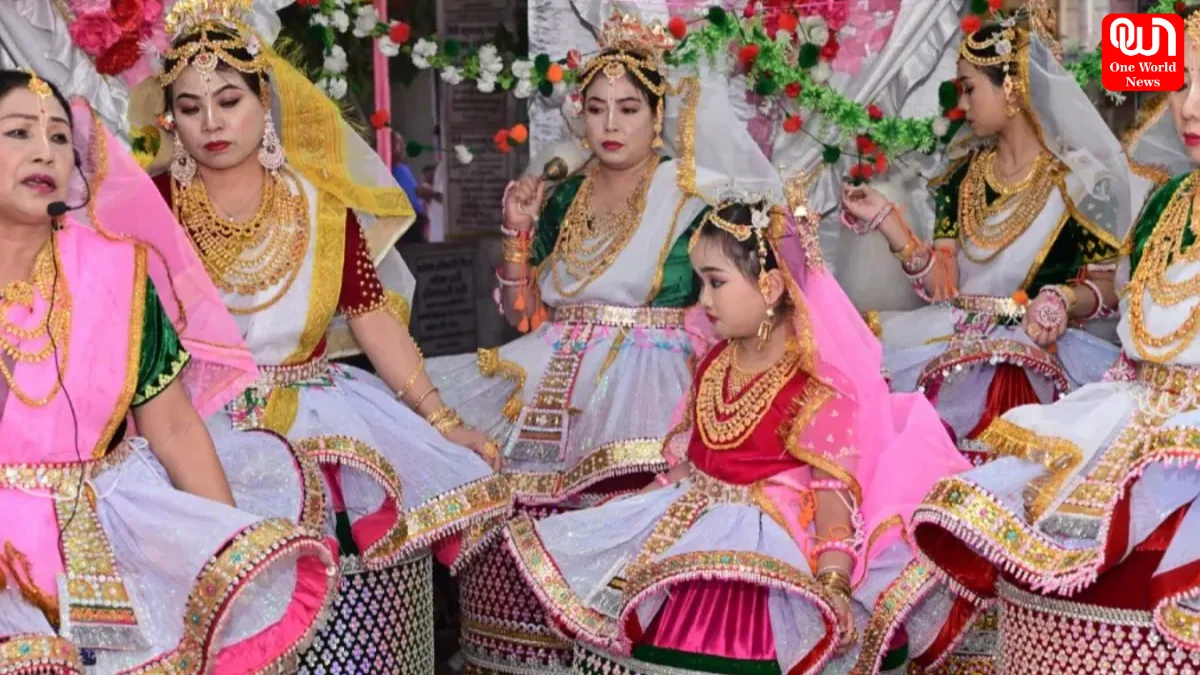

Cheiraoba 2026: Date, History, Cultural Significance And Why Manipuris Celebrate Their Traditional New Year In April
Cheiraoba 2026 is one of the most important traditional festivals celebrated in Manipur, marking the beginning of the Manipuri New Year. Rooted deeply in the cultural and spiritual life of the Meitei community, this festival symbolizes renewal, purification, and hope for prosperity in the coming year.
Cheiraoba 2026 Date
In 2026, Cheiraoba is expected to be celebrated in April, typically aligning with the first day of the lunar month of Sajibu in the traditional Meitei calendar. The exact date may vary slightly based on lunar calculations, but it generally falls in early April, similar to other Indian regional New Year festivals like Ugadi, Gudi Padwa, and Baisakhi.
Read more: Justice Yashwant Varma Resigns, Allahabad HC Judge Steps Down After Cash Discovery Row
What is Cheiraoba?
The word “Cheiraoba” comes from two Manipuri words: “Keys” meaning stick and “Rouba” meaning to announce. Historically, a royal official would go around the kingdom carrying a stick and announcing the arrival of the New Year. Over time, this evolved into a cultural and religious celebration observed by families across Manipur.
Today, Cheiraoba 2026 is celebrated with rituals, prayers, traditional meals, and symbolic activities that reflect both spiritual beliefs and social unity.
Significance of Cheiraoba
Cheiraoba holds immense cultural and religious importance for the people of Manipur. It is not just the beginning of a new calendar year but also a time for spiritual cleansing and renewal.
One of the key aspects of the festival is offering food to deities and ancestors. Families prepare a variety of traditional dishes and present them on a special altar as a mark of respect and gratitude. This ritual symbolizes seeking blessings for health, happiness, and prosperity in the coming year.
Another important tradition is cleaning and decorating homes. People thoroughly clean their houses before Cheiraoba, which represents removing negativity and welcoming positive energy.
Traditional Celebrations and Rituals
The celebration of Cheiraoba 2026 will include several unique customs that highlight Manipuri heritage:
- Preparation of Festive Meals: Families cook traditional dishes such as rice, vegetables, fish, and local delicacies. These are first offered to deities before being shared among family members.
- Offering to Ancestors: Food is also placed at sacred spots to honor ancestors, reflecting deep respect for lineage and tradition.
- Climbing Hills: One of the most distinctive customs is climbing nearby hills or mountains after the rituals. This act symbolizes progress, growth, and rising to greater heights in life during the new year.
- Family Gatherings: Cheiraoba is a time for togetherness. Families come together, share meals, and strengthen bonds.
Why Do Manipuris Celebrate New Year in April?
The timing of Cheiraoba 2026 in April is closely linked to the traditional lunar calendar followed in Manipur. Unlike the Gregorian calendar, which starts on January 1, many Indian cultures base their New Year on lunar or solar cycles.
April marks the arrival of spring and the beginning of a new agricultural cycle. It is a season of renewal, making it a natural choice to celebrate a new beginning. The alignment with nature reflects the deep connection between Manipuri traditions and the environment.
Additionally, many regions across India celebrate their New Year around the same time—such as Vishu in Kerala, Pohela Boishakh in Bengal, and Baisakhi in Punjab—indicating a shared cultural pattern tied to seasonal change.
Read more: Ashok Kharat Viral Video: Who is Nashik astrologer behind 58 private clips and hidden camera scandal?
Cultural Importance in Modern Times
Even in modern times, Cheiraoba continues to hold strong relevance among Manipuris, both in the state and across the diaspora. While lifestyles have evolved, the core values of the festival—family unity, respect for tradition, and spiritual reflection—remain unchanged.
Young generations actively participate in the celebrations, ensuring that the cultural heritage is preserved and passed on. Social media and digital platforms have also played a role in spreading awareness about Cheiraoba beyond Manipur.
Conclusion
Cheiraoba 2026 is more than just a New Year celebration—it is a reflection of Manipuri identity, culture, and spiritual belief. Celebrated in April to align with nature and the lunar calendar, the festival emphasizes renewal, gratitude, and hope.
From offering prayers and preparing traditional meals to climbing hills for symbolic growth, every aspect of Cheiraoba carries deep meaning. As Manipuris welcome the New Year, they do so with faith, unity, and a strong connection to their roots.
Comments are closed.