
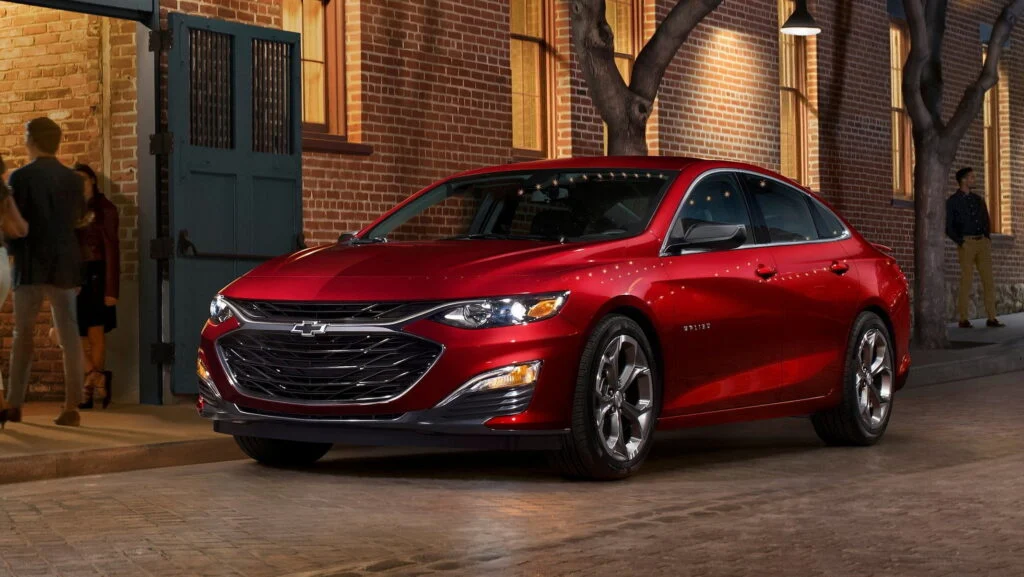

General Motors appears ready to reshape Chevrolet’s future by bringing passenger cars back into the conversation. After years of prioritizing SUVs, trucks, and electric vehicles, the automaker is reportedly preparing a new rear-wheel-drive sedan while extending the life of several gasoline-powered models. The move reflects a broader strategy that aligns product development with current market demand rather than betting entirely on rapid EV adoption.
If the reported plans move forward, Chevrolet could once again have a sedan in its lineup by 2028, marking a notable shift for one of America’s biggest automotive brands.
A New Sedan Could Revive an Iconic Name
The biggest surprise is the possibility of Chevrolet reviving the Camaro name for a four-door performance-oriented sedan. While the final name has not been confirmed, industry reports suggest the upcoming model could combine the sporty appeal of the Camaro with the practicality left behind by the discontinued Malibu.
Instead of following the traditional muscle car formula, the new sedan is expected to adopt a modern rear-wheel-drive layout aimed at delivering engaging driving dynamics. It would reportedly share its platform with the next-generation Cadillac CT5 and a future Buick sedan, while production is expected to take place at GM’s Lansing Grand River Assembly plant in Michigan.
The timing is also interesting. Ford is widely expected to expand the Mustang brand beyond its traditional coupe roots, making room for another chapter in one of the automotive world’s longest-running rivalries.
GM Bets on Balance Instead of Going All Electric
The reported product roadmap also signals a more balanced approach toward electrification.
Rather than introducing a wave of new electric vehicles, Chevrolet is expected to focus on improving its existing EV lineup while continuing to invest in internal combustion models. Slower consumer demand for EVs and the phase-out of federal tax incentives have prompted many manufacturers to rethink aggressive electrification timelines, and GM appears to be no exception.
The current Chevrolet Bolt EV is reportedly nearing the end of its production run, with manufacturing expected to conclude early next year. The factory capacity is said to be earmarked for a new gasoline-powered crossover, highlighting the company’s renewed confidence in traditional powertrains.
Existing EVs Will Continue to Evolve
Although GM is slowing the pace of new EV launches, it is not abandoning electric vehicles altogether.
The Chevrolet Blazer EV is expected to receive a mid-cycle refresh in 2028, while the Equinox EV is reportedly scheduled for a full redesign to remain competitive in the growing electric SUV market. The Silverado EV will also remain part of Chevrolet’s long-term plans, particularly as competition in the electric pickup segment continues to evolve.
Meanwhile, the only completely new electric Chevrolet reportedly planned before the end of the decade is a commercial van being developed jointly with Hyundai.
Refreshing Today’s Models for Tomorrow’s Buyers
Beyond introducing a new sedan, Chevrolet’s strategy appears to focus on extending the lifespan of its current lineup. Updated styling, revised engines, and improved powertrains are expected to keep popular gasoline models competitive through the remainder of the decade.
The approach allows GM to remain flexible as customer preferences continue to shift between conventional vehicles, hybrids, and fully electric models.
The Corvette is also expected to remain a key part of Chevrolet’s future. According to reports, the next-generation sports car is targeted for a 2029 debut, roughly ten years after the launch of the current C8 generation.
A Practical Shift for a Changing Market
Chevrolet’s reported roadmap suggests the company is adapting to today’s realities rather than chasing earlier forecasts. SUVs and trucks will continue to dominate sales, but bringing a sedan back into the lineup could help attract buyers looking for something different without abandoning performance or practicality.
Whether the new model ultimately wears the Camaro badge or launches under an entirely new identity, it would represent Chevrolet’s return to a segment it walked away from only a few years ago. If these plans materialize, the brand’s lineup by the end of the decade could look far more diverse than many expected.

Comments are closed.