
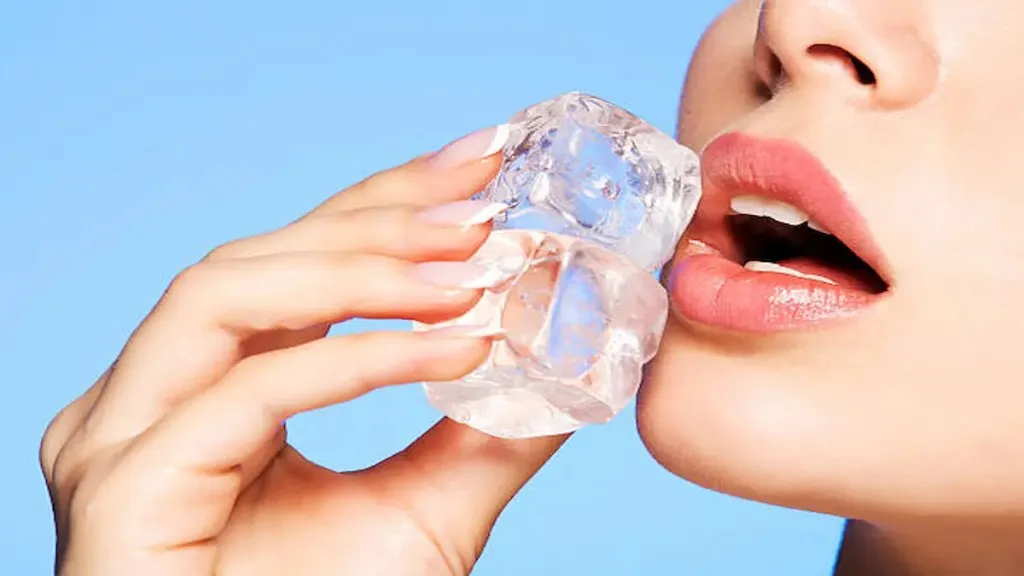

Chewing Ice Effects on Teeth: Chewing ice in summer gives a feeling of freshness, but do you know that this habit can be harmful for your teeth? A study from the University of Utah Health found that chewing ice can cause microscopic cracks in the tooth enamel, which can grow over time and cause tooth loss. Additionally, chewing ice can also cause problems like tooth sensitivity, breakage of fillings and crowns, and jaw pain.
Although tooth enamel is the hardest substance in the body, repeated pressure can cause pain and breakage in teeth. Therefore, it is important to understand the habit of chewing ice and be aware of its side effects. Quitting this habit is beneficial for healthy teeth and better health.
In this article we will know in detail what are the disadvantages of chewing ice, how it affects our teeth and health and ways to give up this habit safely. If you are also fond of chewing ice, then this information is very important for you.
Effect of chewing ice on teeth
Chewing ice puts excessive pressure on the teeth. The outermost layer of teeth, enamel, is extremely strong, but repeatedly chewing ice can cause microscopic cracks to form, which can grow over time and weaken teeth. It not only reduces the strength of teeth, but can also cause tooth sensitivity and pain. Experts say that chewing ice for a long time can change the natural look of teeth and if the teeth are already weak, it increases the chances of breakage. Small cracks can allow bacteria to enter, causing tooth decay.
Effects on gums and jaw
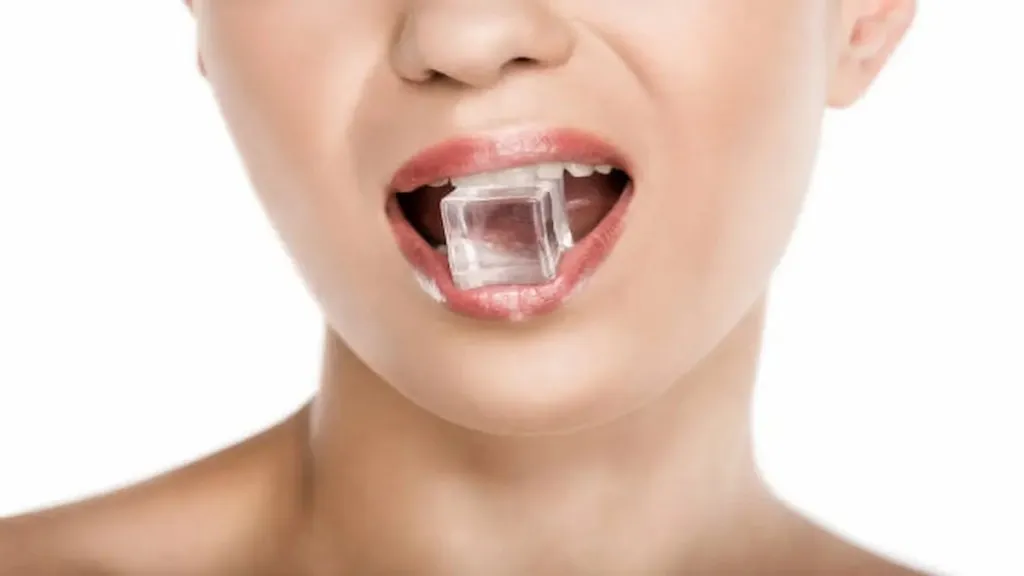
Chewing ice affects not only the teeth but also the gums and jaw muscles. Constantly chewing ice can cause swelling and redness in the gums. The jaw muscles may become tense and cause pain or tension. Additionally, if someone has TMJ (temporomandibular joint) problems, chewing ice can make it worse. This habit can cause pain and discomfort even while eating if continued for a long time.
Hidden health risks
Chewing ice is not limited to teeth and gums only. It may also be a sign of anemia or iron deficiency in some people. According to some studies, excessive ice chewing may be a symptom of a behavior called pica, which indicates a nutritional deficiency. Additionally, repeatedly chewing ice may increase sensitivity in the throat or teeth due to cold and may damage the enamel.
Ways to quit this habit
To give up the habit of chewing ice, one should first understand the reason behind it. If it’s to reduce stress, chewing sugar-free gum, drinking cold water or eating fruits may be beneficial. It is important to change the habit gradually, so that the teeth and gums are not adversely affected. You can also use crushed ice instead of ice cubes.
General Tips for Healthy Teeth
To keep teeth strong, regular brushing, flossing and periodic checkups with the dentist are necessary. A diet rich in calcium and vitamin D increases the strength of teeth. If it is difficult to give up the habit of chewing ice, the safest solution is to consult a dentist. This ensures that the teeth remain healthy and strong.

Comments are closed.