
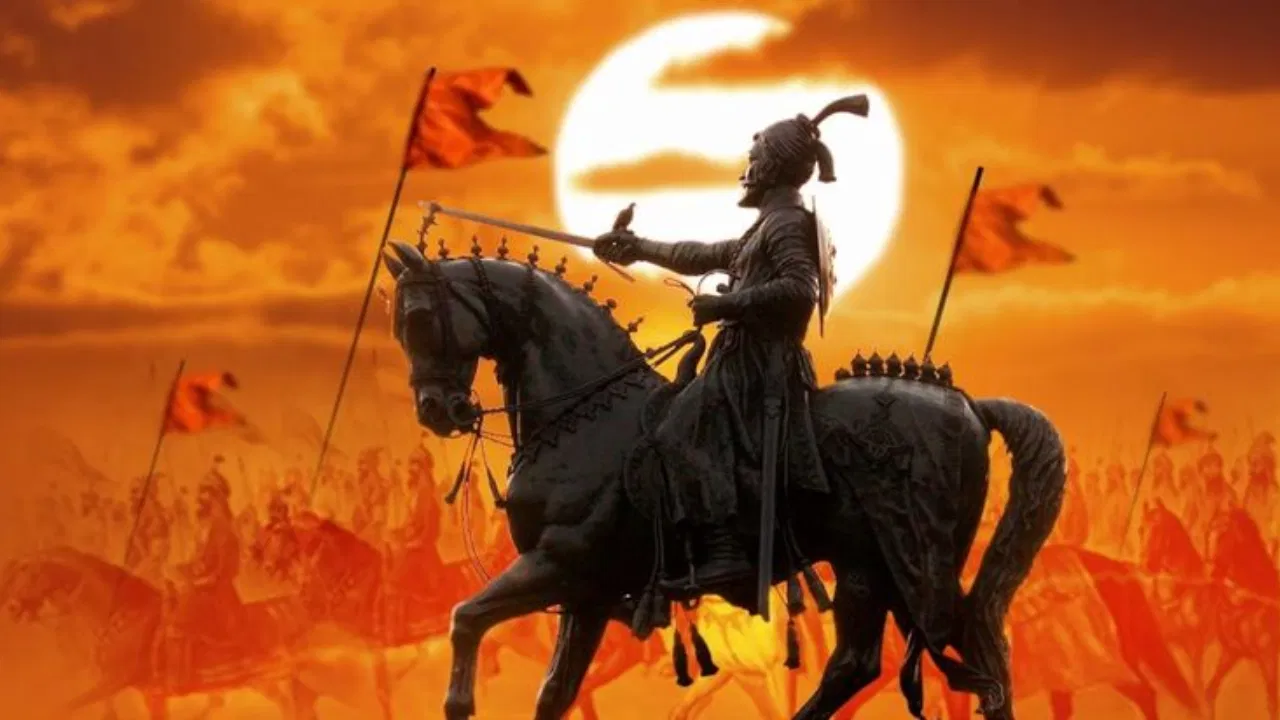
Chhatrapati Shivaji Maharaj Jayanti 2026: History, untold facts and powerful lessons that still rule India

New Delhi: Chhatrapati Shivaji Maharaj Jayanti 2026 is more than a date on the calendar; it is an invitation to pause, reflect and realign with the timeless values of courage, justice and people-centric leadership that he embodied. As we mark his birth anniversary on 19 February 2026, we are not only remembering a legendary Maratha warrior-king, but also revisiting a visionary who dreamt of Swarajya – self-rule rooted in dignity, equality and fearless pursuit of what is right. In a world driven by speed and distractions, Shivaji Maharaj’s life gently but powerfully reminds us that real greatness lies in character, clarity of purpose and unwavering commitment to one’s people.
If you have ever wondered why Chhatrapati Shivaji Maharaj continues to inspire schoolchildren, youth, professionals and leaders alike, Shivaji Jayanti is the perfect moment to explore that question more deeply. This is the day when forts come alive with processions, cultural programmes, speeches and patriotic songs, especially across Maharashtra, as people pay tribute to the founder of the Maratha Empire. In this blog, let us revisit his inspiring story and uncover powerful life lessons you can apply in your daily work, relationships and personal growth journey, starting this Chhatrapati Shivaji Maharaj Jayanti 2026.
Chhatrapati Shivaji Maharaj Jayanti 2026: History and significance
Chhatrapati Shivaji Maharaj was born in 1630 at the Shivneri Fort to Shahaji Bhosale, a Maratha general, and Jijabai, whose spiritual influence deeply shaped his character. Growing up in the rugged hills around Pune, he observed the suffering of local people under corrupt and oppressive rule, which ignited in him a lifelong dream of establishing Swarajya – a kingdom based on justice, security and respect for all communities.
As a teenager, Shivaji Maharaj began capturing forts like Torna and gradually expanded his territory at the expense of the Adilshahi of Bijapur, using brilliant guerrilla warfare and intimate knowledge of the terrain. Over time, he fought both alliances and battles with powerful forces including the Mughal Empire, Golconda, Bijapur sultanate and European powers, while steadily building an efficient administration and disciplined army. In 1674, he was crowned as Chhatrapati at Raigad, marking the formal beginning of the Maratha Empire, and he ruled through a council of eight ministers (Ashtapradhan) with policies that promoted religious tolerance, regional languages and decentralised governance. His reign may have lasted only a few decades, but his ideas on leadership, security, people’s welfare and national pride continue to energise India’s collective memory even today.
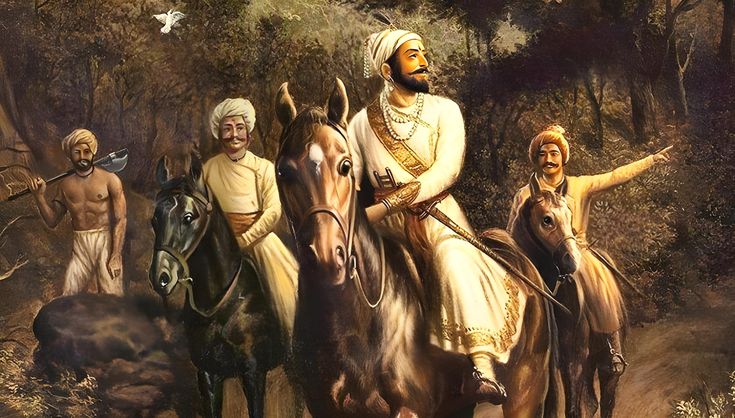
Powerful lessons to learn from Chhatrapati Shivaji Maharaj on Shivaji Jayanti 2026
1. Lead with a larger purpose, not just personal ambition
Shivaji Maharaj’s dream of Swarajya was never about personal glory; it was about freeing ordinary people from injustice and fear, giving them a kingdom where their dignity and rights were protected. When your work, studies or business are driven by a cause larger than yourself, you naturally find more energy, resilience and meaning, even when challenges and setbacks seem overwhelming.
2. Be courageous, but combine bravery with strategy
Stories of Shivaji Maharaj’s daring escapes, surprise attacks and night raids show that he was fearless, yet he never confused recklessness with courage; every move was guided by careful planning, terrain knowledge and timing. In your own life, courage is not about impulsively jumping into every risk, but about taking thoughtful, informed decisions where you respect the consequences and still choose what you know is right.
3. Stay adaptable and innovate when odds are against you
Facing much larger and better-equipped armies, Shivaji Maharaj turned the Deccan’s hills and forests into his strength, perfecting guerrilla warfare and building a strong network of forts and a naval force along the Konkan coast. His example nudges us to stop complaining about limitations and instead adapt, learn new skills and innovate our approach, whether in career, studies, business or personal projects, so that constraints become catalysts for creativity.
4. Practice inclusive and people-centric leadership
Shivaji Maharaj is remembered for employing people from different castes and religions, including Muslims and diverse local communities, in his army and administration, valuing talent and loyalty over birth. At a time when divisions were deep, his inclusive approach teaches us to build teams and friendships on trust, capability and shared values, creating spaces where everyone feels respected and motivated to give their best.
5. Build systems, not just short-term victories
Beyond his battlefield successes, Shivaji Maharaj laid down a strong administrative framework with the Ashtapradhan council, fair revenue collection, village-level protection and encouragement for agriculture and trade. He reminds us that true leadership is not about one-time achievements or viral moments, but about creating sustainable systems and habits that keep working even when you are not personally present to supervise everything.
6. Balance discipline with compassion and ethics
Many accounts describe Shivaji Maharaj as a strict yet humane ruler who upheld honour in warfare, protected women and civilians, and discouraged unnecessary violence and desecration. In an age of online trolling and cut-throat competition, his life urges us to chase success without losing kindness, to compete without cruelty and to remember that ethics are the backbone of any long-lasting reputation.

7. Communicate clearly and inspire trust in your team
Shivaji Maharaj was known for motivating his Mavalas (soldiers from the Maval region) with heartfelt words that reflected their struggles, hopes and sacrifices, turning them into fiercely loyal companions. In our workplaces, classrooms or even families, we too can build trust by speaking honestly, listening actively and aligning words with actions, so people feel valued rather than merely instructed or controlled.
8. Be resilient and rise after every setback
Throughout his journey, Shivaji Maharaj faced betrayals, resource shortages and powerful enemies, yet he constantly bounced back, adjusting his strategies without losing sight of his ultimate vision of Swarajya. Whenever life hits you with failures, criticism or unexpected obstacles, his story can be a reminder that setbacks are not final verdicts, but turning points from which you can emerge wiser, stronger and more focused.
As Chhatrapati Shivaji Maharaj Jayanti 2026 arrives, you have a beautiful opportunity to do more than forward wishes – you can consciously adopt at least one lesson from his life and start living it. Whether it is being more courageous, more ethical, more inclusive or more resilient, even a small step inspired by his legacy can bring you closer to the fearless, value-driven life he stood for.

Comments are closed.