
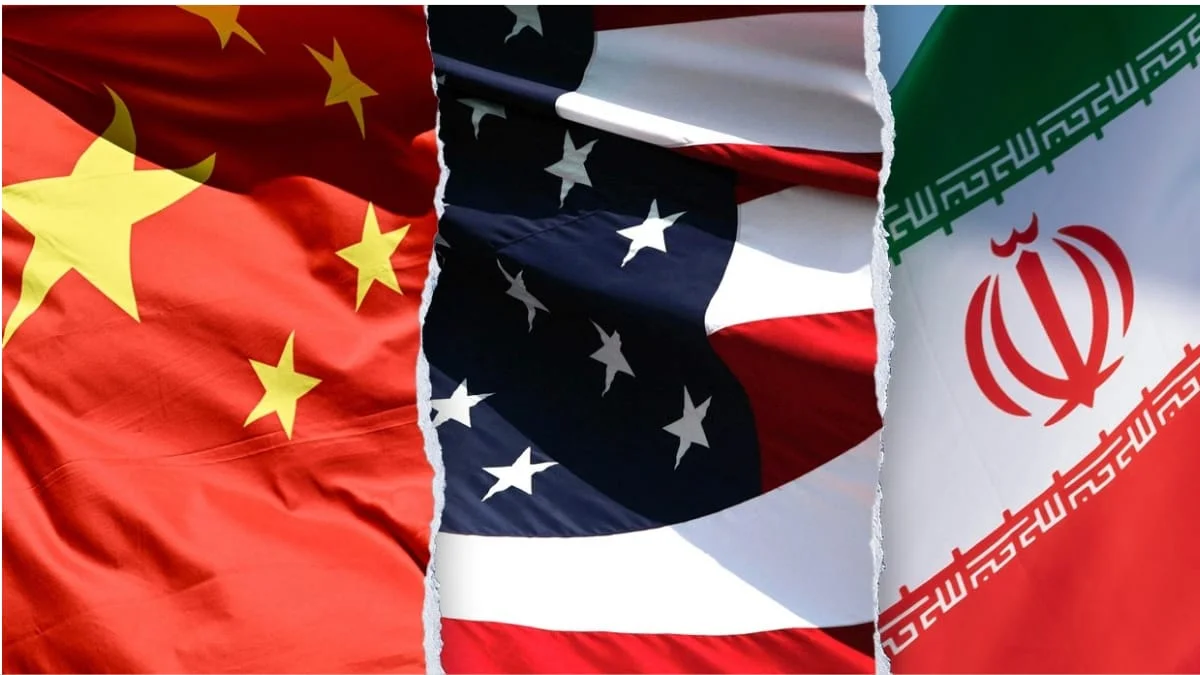

Chinese Foreign Minister Wang Yi held a phone conversation on Tuesday with Pakistan’s Deputy Prime Minister and Foreign Minister Mohammad Ishaq Dar to exchange views on the evolving situation in Iran and the broader regional security environment. The diplomatic communication reflects ongoing coordination between Beijing and Islamabad on major international developments affecting regional stability. According to official readouts, Wang emphasised the importance of maintaining peace and stability in the Middle East, urging all relevant parties to exercise restraint and avoid actions that could escalate tensions. China has repeatedly stated that disputes should be resolved through dialogue and political consultation rather than the use of force. During the call, Wang reiterated China’s support for diplomatic engagement and adherence to the principles of international law, particularly those enshrined in the United Nations Charter regarding sovereignty and the peaceful settlement of disputes.
China and Pakistan emphasise regional stability
Mohammad Ishaq Dar, speaking on behalf of Pakistan’s government, shared Islamabad’s assessment of the situation in Iran and its potential implications for regional security. Pakistan has historically maintained diplomatic and economic ties with Iran while also maintaining close strategic relations with China through long-standing cooperation frameworks. The exchange highlighted the importance both countries attach to preventing further instability in the Middle East, a region that remains central to global energy markets and geopolitical dynamics. As neighbouring states monitor developments closely, diplomatic communication between major regional stakeholders has intensified in an effort to encourage de-escalation and maintain open channels for dialogue.
Strategic partnership and diplomatic coordination
China and Pakistan maintain what both governments describe as an all-weather strategic cooperative partnership. Bilateral cooperation spans economic development, infrastructure projects, and regional security dialogue. Within this framework, consultations on international crises are common, particularly when developments may influence regional trade routes, energy supply chains or broader geopolitical alignments. Observers note that discussions such as the latest phone call between Wang Yi and Mohammad Ishaq Dar underscore the role of diplomatic engagement in managing complex regional situations. As tensions surrounding Iran continue to attract global attention, ongoing dialogue among key international actors is expected to remain an important mechanism for promoting stability and encouraging peaceful resolution of disputes.

Comments are closed.