
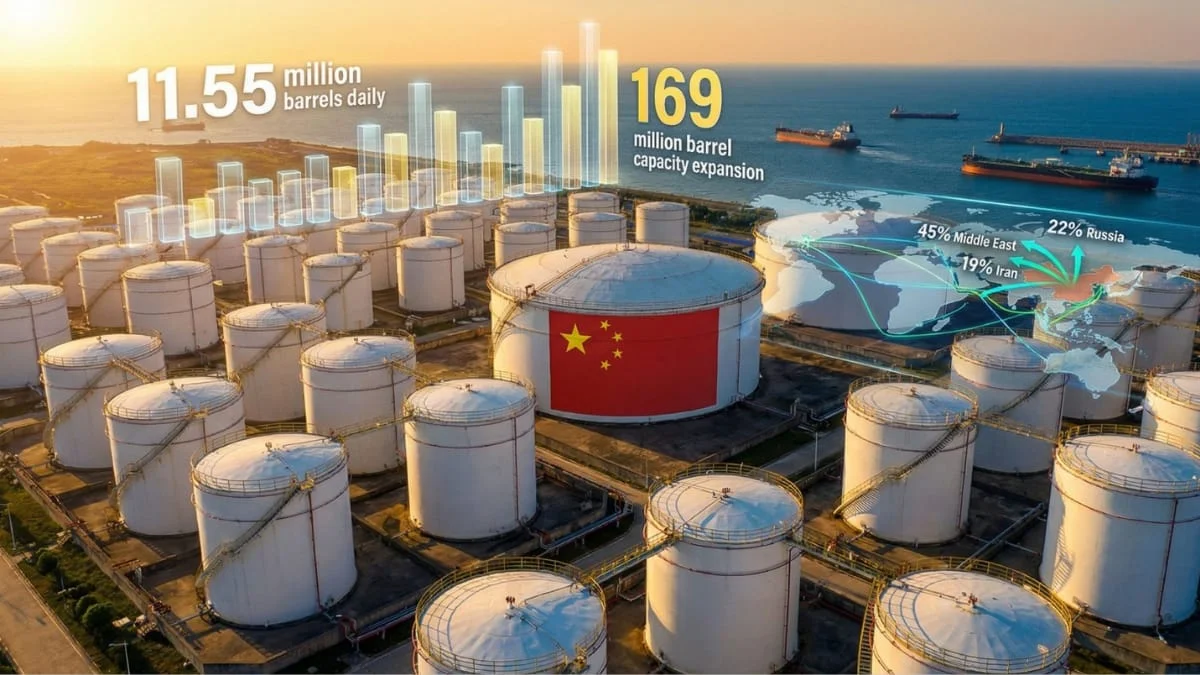
China moves to safeguard energy security as tensions around Iran threaten global oil routes

China’s diplomatic engagement with Iran to ensure the continued safety of oil and gas shipping routes through the Persian Gulf reflects one of the most critical and under analysed intersections of international law, energy security, and geopolitical strategy in the contemporary international system. As the world’s largest importer of crude oil, China faces an immediate and structural vulnerability whenever military tensions threaten maritime energy corridors linking the Middle East to Asian markets. In this context, Beijing’s reported efforts to urge Tehran not to target oil tankers or export infrastructure, including major energy hubs such as Qatar, represent a calculated exercise of preventive diplomacy designed to preserve both global economic stability and China’s own industrial continuity.
The legal and strategic importance of these diplomatic efforts cannot be understood without examining the international maritime framework governing navigation through the Persian Gulf and the Strait of Hormuz. Approximately one-fifth of globally traded petroleum passes through the Strait of Hormuz, a narrow maritime corridor connecting the Persian Gulf to the Gulf of Oman and the wider Indian Ocean. International law governing this passage is principally codified in the United Nations Convention on the Law of the Sea, which recognises the right of transit passage through international straits used for navigation between parts of the high seas or exclusive economic zones. Under this regime, vessels of all states enjoy the right to continuous and expeditious transit through such straits without obstruction. In theory, this legal protection should ensure uninterrupted shipping through the Strait of Hormuz even during periods of heightened geopolitical tension.
In practice, however, the effectiveness of these legal norms depends on the political willingness of regional actors to respect them during crises. Iran has historically signalled that it possesses the capacity to disrupt maritime traffic through the strait in response to military pressure or economic sanctions. Such threats introduce a profound level of uncertainty into global energy markets. For China, the implications are particularly significant because the country imports millions of barrels of crude oil per day, much of it originating from Gulf producers such as Saudi Arabia, Iraq, and the United Arab Emirates. Although China has diversified its supply base through pipeline imports from Russia and Central Asia as well as seaborne deliveries from Africa and Latin America, the Persian Gulf remains a central artery of China’s energy supply chain.
The financial implications of any disruption to these shipping lanes are immediate and far-reaching. A blockade or partial obstruction of tanker traffic in the Strait of Hormuz would trigger a sharp surge in global oil prices. Higher crude prices translate directly into increased costs for Chinese manufacturing, transportation, and electricity generation. Given that China remains the world’s largest manufacturing economy and a major exporter of industrial goods, energy price volatility has the potential to cascade through production networks, raising costs for global supply chains and potentially contributing to worldwide inflationary pressures. For Beijing, therefore, safeguarding maritime energy routes is not merely an economic priority but a fundamental requirement for maintaining domestic economic stability.
China’s diplomatic outreach to Iran must also be interpreted within the broader framework of international relations and strategic balancing in the Middle East. Beijing has cultivated economic partnerships with both Iran and the Arab Gulf states, positioning itself as a neutral actor capable of engaging with multiple sides in regional disputes. This balanced approach has allowed China to expand energy imports, infrastructure investments and trade relations throughout the region without becoming militarily entangled in its complex security rivalries. Encouraging restraint from Tehran regarding attacks on energy infrastructure or commercial shipping therefore aligns with China’s long standing principle of opposing actions that threaten regional stability and international trade.
Another dimension of this situation involves the legal discourse surrounding economic sanctions and freedom of navigation. Iran remains subject to extensive unilateral sanctions imposed by the United States targeting its energy exports and financial transactions. These sanctions have created an environment in which oil shipments often involve complex logistical arrangements designed to circumvent restrictions. China’s continued purchase of Iranian crude has been widely interpreted as part of a pragmatic energy security strategy. However, in a crisis scenario where maritime transport becomes threatened, the interplay between sanctions enforcement, naval deployments and commercial shipping rights could generate complicated legal disputes concerning jurisdiction and the application of international law.
China’s request that Iran avoid targeting tanker fleets and export hubs also reflects the interconnected nature of global energy infrastructure. Facilities in Qatar, particularly those associated with liquefied natural gas production, play a vital role in supplying energy to Asian economies including China. Any disruption to these facilities would not only affect Gulf producers but also destabilise energy markets across Asia. Beijing’s diplomatic messaging therefore demonstrates an awareness that regional conflict has global consequences extending far beyond the immediate battlefield.
From a geopolitical perspective, the episode illustrates how China’s foreign policy increasingly integrates economic interests with diplomatic engagement. Rather than deploying military force to protect energy routes, Beijing relies on a combination of economic interdependence, diplomatic persuasion and multilateral legal principles to maintain stability. This approach contrasts with traditional security strategies based on naval dominance and reflects China’s preference for conflict prevention through negotiation and economic partnership.
Ultimately the situation surrounding Iran and the security of Persian Gulf shipping lanes underscores a fundamental reality of the modern global economy. Energy flows, maritime law and geopolitical stability are deeply interconnected. For China the stakes are particularly high because disruptions in oil transport corridors could rapidly translate into economic shocks affecting industry, trade and domestic inflation. Beijing’s diplomatic efforts to ensure that tanker traffic and energy export infrastructure remain untouched therefore represent a pragmatic and legally grounded attempt to preserve the functioning of one of the world’s most critical energy lifelines.

Comments are closed.