
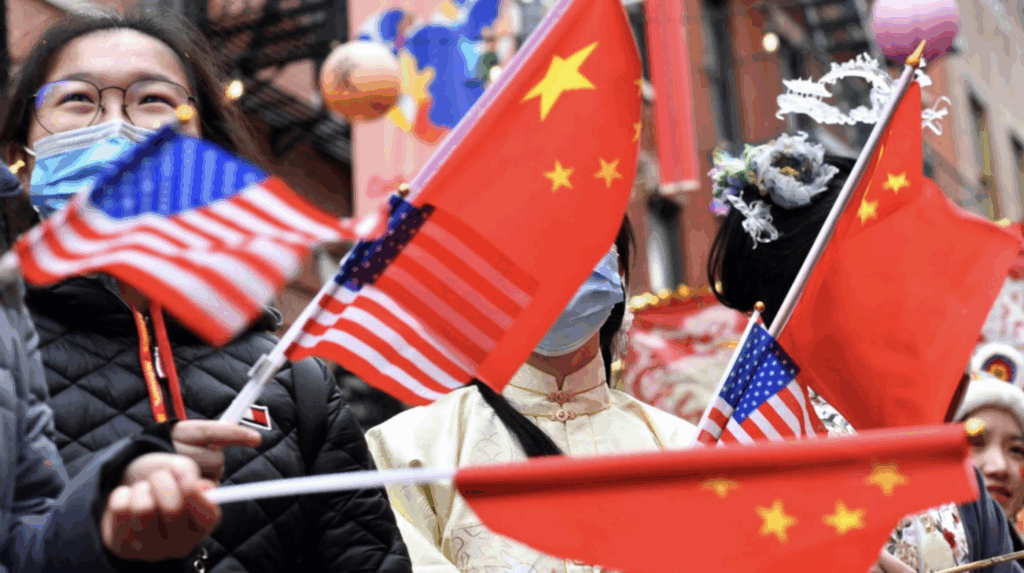

China has announced that it will lower import tariffs on a range of products beginning in 2026marking a strategic adjustment in its trade policy. The move comes as Beijing aims to open up parts of its market, encourage imports of key materials, and support domestic industries that rely on foreign inputs.
Details of the Tariff Reductions
President Xi Jinping’s government has instructed customs authorities to implement reduced import duties on 935 products starting next year. These tariff cuts will see provisional duty rates set below the most-favoured-nation (MFN) rates that China normally applies, meaning cheaper import costs for selected categories of goods.
Key Products Affected
The tariff reductions focus on products that are important for strategic supply chains and technological industries:
- Resource-based commoditiessuch as recycled materials used in lithium-ion battery productionwhich are critical for electric vehicles and energy storage supply chains.
- Medical productsincluding artificial blood vessels and diagnostic kitswhich help support China’s healthcare sector and reduce reliance on expensive imports.
By lowering tariffs on these items, China aims to make it easier and more cost-effective for domestic manufacturers to import essential components and medical supplies. Reuters
Economic and Strategic Implications
This tariff adjustment is part of broader efforts by the Chinese government to boost trade and integrate more deeply into global supply chains while also addressing criticisms that its market has been relatively closed compared with other major economies. Lower import duties on selective goods can:
- Reduce production costs for Chinese industries that depend on imported inputs.
- Encourage foreign exporters to increase shipments to China due to more competitive pricing.
- Support innovation and industrial upgradingparticularly in high-tech and healthcare sectors.
Analysts see the move as targeted rather than comprehensive trade liberalisation — intended to benefit sectors where China wants to strengthen its competitive edge while keeping protective measures for other industries in place.
Timing and Implementation
The new tariff rates are slated to take effect from January 1, 2026giving businesses and traders time to prepare for the changes in pricing, supply chain planning, and import strategies.
Conclusion
China’s decision to lower import tariffs on select goods in 2026 reflects a nuanced shift in trade policy aimed at making key commodities and medical products more accessible and affordable. While the cuts are selective rather than sweeping, they are expected to ease cost pressures for industries reliant on imported materials and signal a willingness to adapt economic policy for strategic benefit.

Comments are closed.