
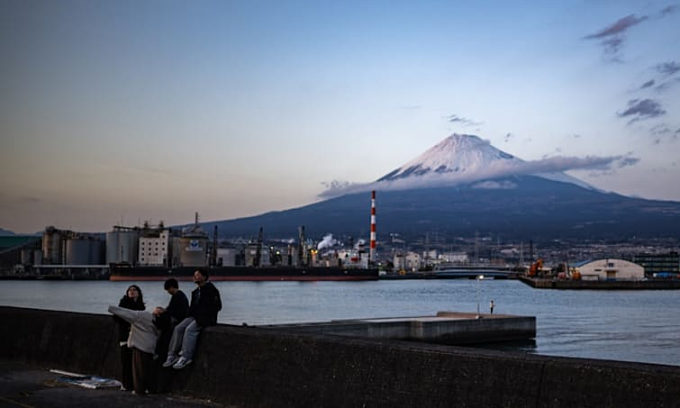

Previously, Chinese travelers were the biggest source of tourists to Japan, contributing to a boom in the land of cherry blossoms and Mount Fuji that was fueled by a weak yen, making shopping cheap.
But in January, South Korea overtook China as the largest contingent, a trend that continued in February, with visitors from the country jumping 28.2% to 1.1 million.
That compared with 396,400 visitors from mainland China last month, the Japan National Tourism Organization said.
By comparison, 18 countries and regions set new records for the number of their nationals who visited Japan in February – including South Korea, and the U.S., data showed.
The number of visitors from Hong Kong also shot up by 19.6% compared to last year.
While February is typically the low season for travel to Japan, this year, due to the timing of Lunar New Year, the number of visitors shot up, the tourism group said, noting a particular uptick from East Asia.
Japan-China ties have worsened since Prime Minister Sanae Takaichi suggested in November that Japan might intervene militarily in any Chinese attempt to take Taiwan.
It summoned Tokyo’s ambassador and warned Chinese citizens against visiting Japan.
The number of Chinese visitors to Japan already tumbled 45% in December and nose-dived 60.7% in January.
Instead, other countries including South Korea saw a jump in the number of Chinese visitors.
In January, 418,703 visited South Korea, up from 364,460 the same month last year, according to the Korea Tourism Organization.
The number of Chinese visitors to Thailand edged up 4.24% on average during the January-February period compared to the same period last year.
Japan’s cherry blossom season will be in full swing in late March and early April and some local media reports suggest a decline in the number of Chinese visitors will continue.
Contacted by AFPone hotel in the Tokyo Bay area said the number of Chinese guests “had halved since November” and that will likely continue in March and April, although a handful of other hotels said they have seen no significant impact from the souring ties between Tokyo and Beijing.

Comments are closed.