
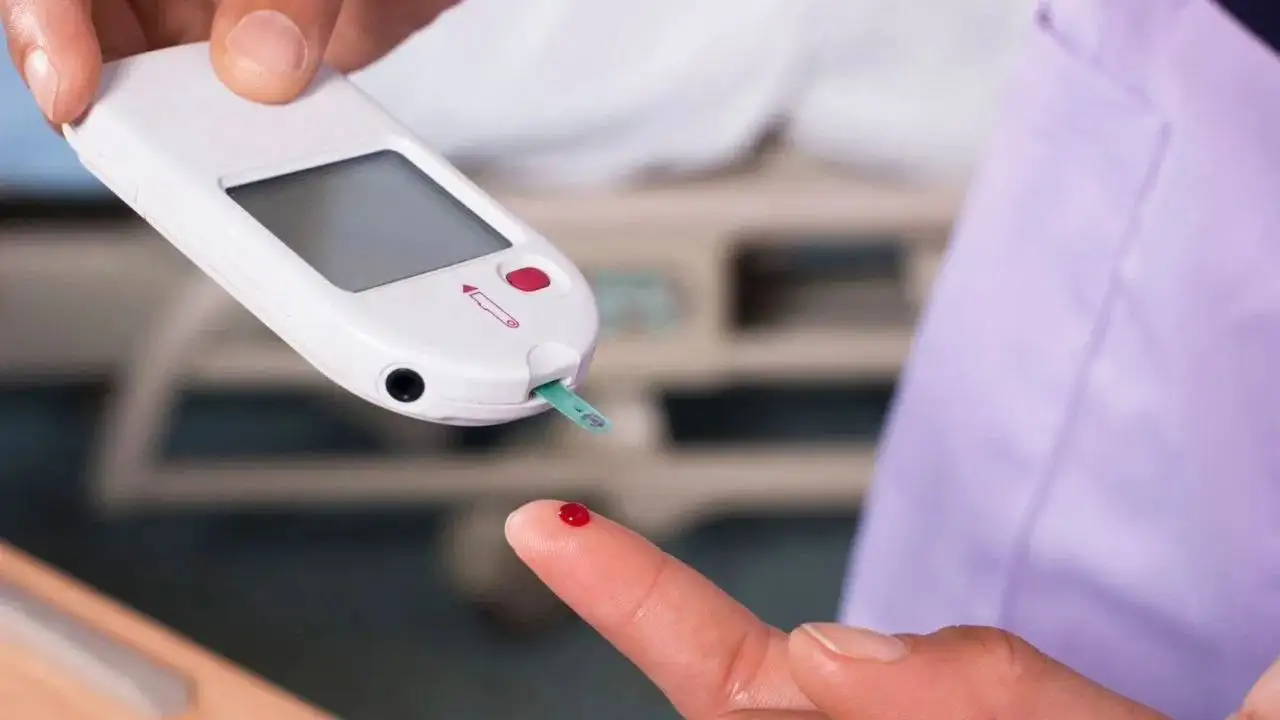

Diabetes: a growing health problem
In today’s fast-paced lifestyle, diabetes has become a serious health challenge. Due to poor eating habits and lifestyle, this problem is no longer limited to the elderly only, but its cases are also increasing among the youth and children. Diabetes occurs when there is a deficiency of insulin hormone in the body or it is not used properly.
Normally, fasting blood sugar levels should be between 70 to 100 mg/dL. A level of 100 to 125 mg/dL indicates pre-diabetic condition, while a sugar level more than 126 mg/dL confirms diabetes. Therefore, timely identification and prevention of symptoms is extremely important.
Due to increase in sugar level
According to experts, insulin not being produced or working properly is the main reason for the increase in blood sugar. Additionally, excessive junk food consumption, obesity, lack of physical activity, constant stress, lack of sleep, hormonal changes and family history also promote this disease. Prolonged high sugar levels can seriously affect the heart, kidneys, eyes, nerves and skin, leading to complications such as heart attack, stroke, kidney problems, loss of vision and non-healing wounds in the feet.
Early signs of high sugar
Director of Medicine Department of RML Hospital, Delhi, Prof. According to Dr. Subhash Giri, the body gives many signals in case of high sugar. These include excessive thirst, frequent urination, increased appetite without reason, weakness, blurred vision and sudden weight changes. Apart from this, drying of the skin, slow healing of wounds and tingling or numbness in hands and feet are also common symptoms.
If sugar levels rise too high, serious problems can occur, such as rapid breathing, confusion, increased heartbeat, vomiting, dehydration, fainting and ketoacidosis. Frequent infections or itching of the skin are also warning signs. If such symptoms appear, a doctor should be contacted immediately.
Ways to control sugar
1. Exercise for at least 30-45 minutes daily.
2. Stay away from sweets, flour and fast food.
3. Include vegetables, pulses, salads, fiber and whole grains in your diet.
4. Control your weight and get enough sleep.
5. Try to reduce stress and drink adequate amount of water.
6. Take the medicines prescribed by the doctor regularly and get your sugar checked from time to time.

Comments are closed.