
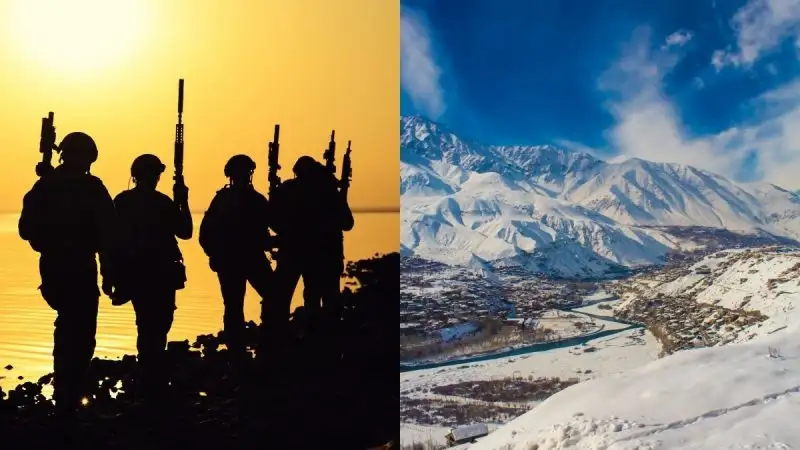
What is India’s new ‘Battlefield Tourism’? Where people can know the war history of the country

Did you ever imagine that tourists would now be able to witness history closely in the mountains and deserts where cannons once roared? Truly, a new chapter has begun in tourism in India, called “Battlefield Tourism”. Thanks to new initiatives by the government, common people can now visit places that were earlier reserved only for the military.
A new beginning in Sikkim
The biggest step in this direction was taken on December 15, 2025. The state of Sikkim officially opened high mountain passes like Cho La and Dok La to tourists. These sites, located at elevations above 15,000 feet, have historically been very sensitive:
Cho La: This was the site of the conflict between India and China in 1967.
Dok La: There was a tense confrontation between Indian and Chinese soldiers at this place in 2017.
The decision to open these border areas shows that India is now viewing these security areas not just as “borders” but as landscapes of “national memory”. Its objective is to acquaint people with the military history of the country, develop infrastructure in remote areas and create employment opportunities for the local people.
What exactly is “Battlefield Tourism”?
Battlefield tourism means visiting places related to war or conflict. This includes battlefields, monuments, cemeteries, forts, museums and even forward posts of the army. People come here for different reasons:
Curiosity and Knowledge: Students, researchers and history lovers come here to learn.
Tribute: Families of martyrs or common citizens who wish to pay tribute to the sacrifices made for the country.
Adventure: Some people come to experience the history as well as the thrill of these inaccessible places (like high mountains or deserts).
India’s major war sites are now tourist destinations
India’s military history is very old and diverse. It includes medieval forts like Panipat and Haldighati, colonial sites like Plassey and Buxar, World War II frontlines in Northeast India and modern battlefields like Kargil. Here are some of the top places you can visit:
Longewala War Memorial (Rajasthan)
Located near the Pakistan border in the Thar Desert, Longewala is a witness to the historic victory of the 1971 war. There is a museum here where you can see military equipment and tanks used in the war. This place tells the entire story of that decisive battle. Kargil War Memorial, Dras (Ladakh)
It is one of the most famous modern war memorials in India. It has been built in memory of the soldiers martyred in the 1999 Kargil war. A visit to this memorial, nestled amidst high mountains, gives you a sense of the difficult conditions in which our soldiers fought.
Kohima War Cemetery (Nagaland)
It contains memories of the second world war. The terraced tombs and serene atmosphere make it a very emotional place. It is an internationally recognized place where people come for peace and contemplation.
Himalayan high altitude battlefields Recently, the government has started opening up some high altitude areas associated with post-independence conflicts to the general public under strict rules.
keep these things in mind
Battlefields are not ‘theme parks’. Here are a few things you should keep in mind while traveling here:
Special permission is often required to visit border areas. Don’t go anywhere without information.
Join a tour organized by a local guide or army to learn the true history and follow safety rules.
Maintain peace at monuments and exercise restraint while taking photographs. This is a place to honor the martyrs.
These places are often very remote, where networks and medical facilities may be limited. Therefore, plan your trip and weather in advance.
If traveled wisely, battlefield tourism gives us an opportunity to experience history rather than just reading it in books. It makes us more sensitive and aware of the sacrifices that have kept our country safe.

Comments are closed.