
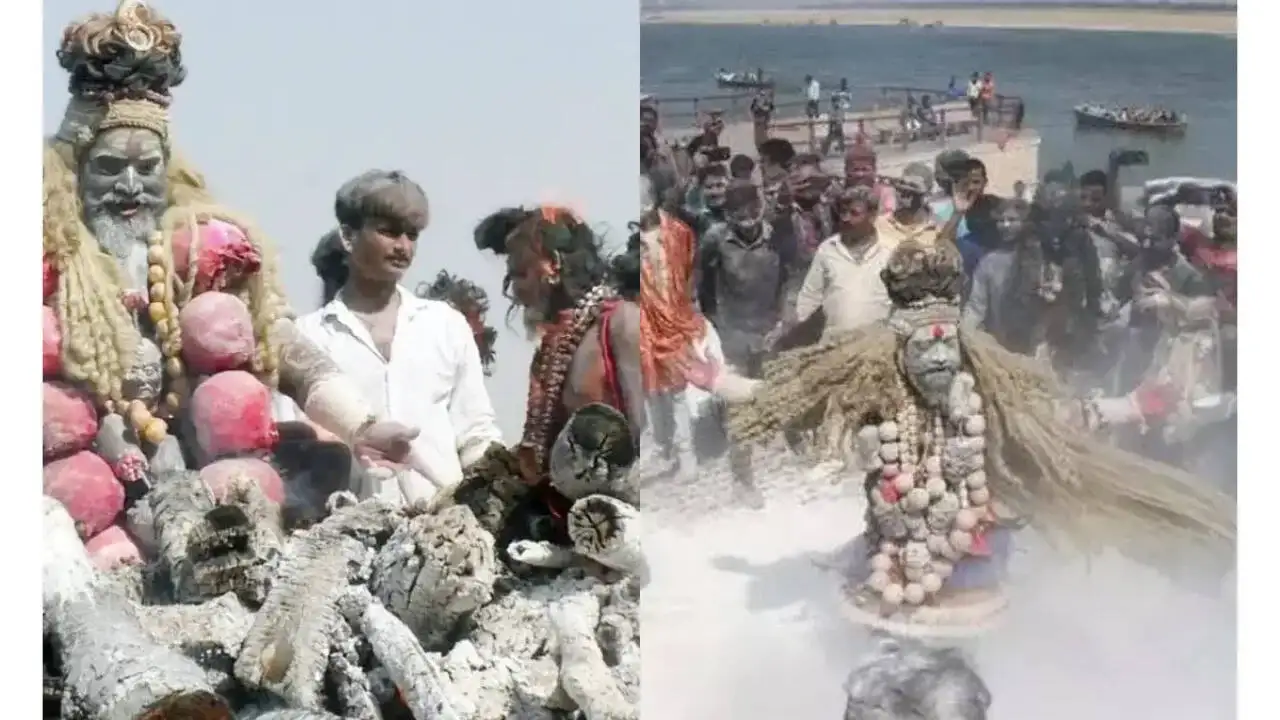

Masan Holi: Festival of Ashes
The festival of Holi is considered to be a celebration of colors, but in Varanasi it is celebrated with ashes of pyre, which is called Masan Holi. This year Masaan Holi will be celebrated on 28 February 2026. Lord Shiva and Goddess Parvati play Holi with colors on Rangbhari Ekadashi in Varanasi. The next day, on Phalgun Shukla Dwadashi, Lord Mahashamshannath plays Holi with ashes along with his devotees, which include ghosts, ghosts, demons, Yakshas and Gandharvas. This tradition is also mentioned in Shiva Purana and Durga Saptashati.
Spiritual significance of Masan Holi
Masaan Holi is a special and spiritual Holi celebrated in Varanasi, also known as the festival of ashes. ‘Masaan’ means crematorium, and this Holi means Holi in the crematorium. On this occasion there are neither colours, nor water guns, nor any cowherd or milkmaid. Devotees play Holi with the ashes of the pyre, which symbolizes freedom from worldly desires. This festival symbolizes victory over death and immortality of the soul.
Who can play Masaan Holi?
Masan Holi, also known as Bhasma Holi and Bhabhut Holi, is celebrated in the cremation grounds of Kashi. This festival is famous all over the world and people from abroad also come to see it. Sadhus, saints, common people and Aghori participate in this Holi, but women are not allowed to participate in it.
Origin of Masan Holi
According to mythology, Lord Shiva started Masan Holi. On the day of Rangbhari Ekadashi, Baba Vishwanath came to Kashi for the first time after his marriage with Goddess Parvati. On that day Mata was welcomed with Gulal, and Lord Shiva played Holi with Gulal with his devotees. But not with ghosts, yakshas, gandharvas and spirits. Therefore, Holi is celebrated in the crematorium on the next day of Rangbhari Ekadashi.

Comments are closed.